

Precision stainless steel strips are indispensable in electronic applications due to their durability, corrosion resistance, and tight dimensional tolerances, which allow them to meet the stringent specifications required in modern electronics. Manufacturers and suppliers around the world, such as Outokumpu and Waelzholz, offer diverse customization options, ensuring that these strips meet precise requirements for each project.
What Stainless Steel is Commonly Used in Electronics?
In electronics, stainless steel grades from the 300 and 400 series are most commonly utilized.
- 300 Series (Austenitic): Grades like 301, 304, and 316 are popular for their high corrosion resistance, ductility, and non-magnetic properties. They can be cold-hardened, making them ideal for applications that require flexibility and strength.
- 400 Series (Martensitic): Grades such as 410 and 420 are valued for their excellent strength and hardness, though with moderate corrosion resistance, making them suitable for wear-resistant applications.
For more insights into the specific material properties, Outokumpu and Aperam provide detailed grade specifications tailored for electronics and other high-precision industries.
What Does a Precision Strip Do in Electronic Components?
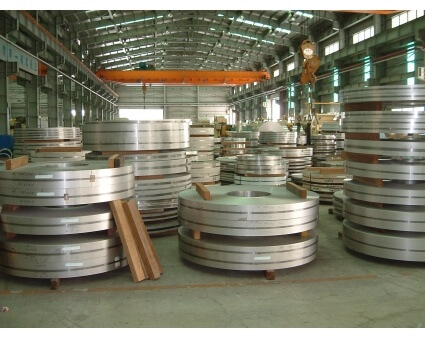
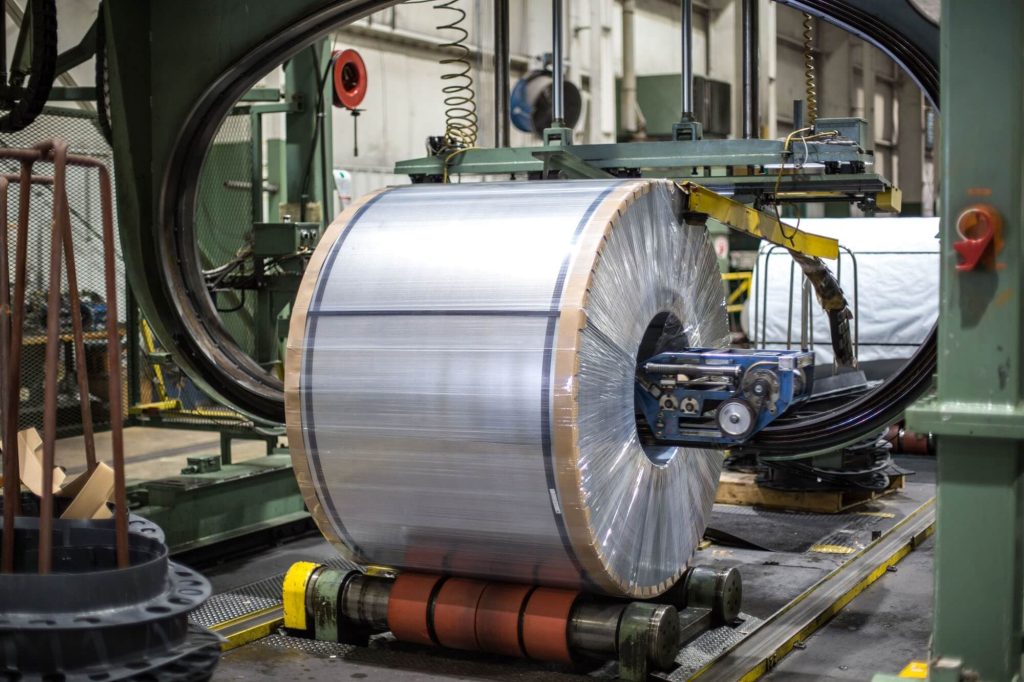
Precision stainless steel strips serve as critical components in various electronic applications, where their tight tolerances and mechanical properties ensure consistent performance. For example:
- Connectors: Precision strips help maintain reliable electrical connections with minimal resistance, essential for device efficiency.
- Springs: In components that require elasticity, these strips provide necessary tension and flexibility.
- Structural Parts: Precision strips combine strength with lightweight properties, ensuring robust construction without adding excessive bulk.
Companies like Eagle Metals and Waelzholz specialize in light-gauge, tight tolerance stainless steel strips that are suitable for complex forming operations.
Can Stainless Steel be Used as Electrodes in Electronics?
Certain grades of stainless steel can be used as electrodes in electronics, particularly when corrosion resistance is essential. Although stainless steel’s conductivity is lower than materials like copper, its durability makes it advantageous in specific applications that prioritize longevity over conductivity.
For electrodes and battery applications, Avocet Battery Materials provides specialized stainless steel products that meet the durability requirements for high-performance electronics.
What are the Uses of Stainless Steel Strips in Electronics?
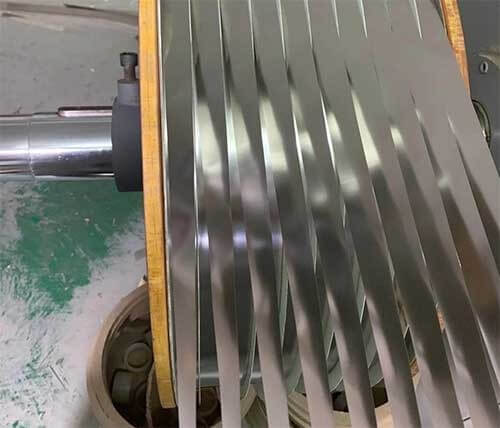
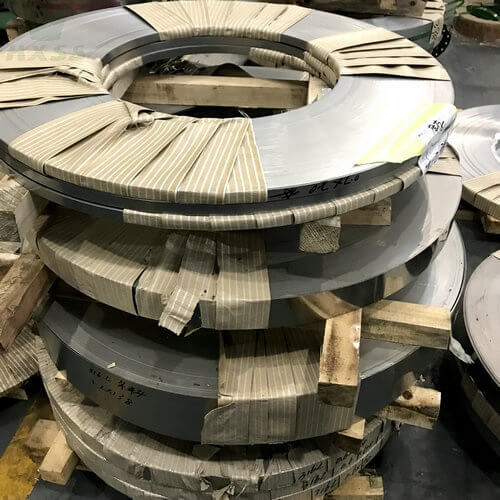
Stainless steel strips are versatile and find applications in many electronic components:
- Connectors: Precision stainless steel strips ensure stable, low-resistance connections.
- Springs: Stainless steel strips are used in springs that require consistent elasticity over time.
- Shielding: Stainless steel strips offer protection from electromagnetic interference, critical in maintaining device performance.
For more details on electronic applications of precision steel strips, visit Steel Finder, a platform offering comprehensive product specifications and use cases.
What are the Most Common Applications for Precision Stainless Steel Strip in Electronics?
The most prevalent applications for precision stainless steel strips in electronics include:
- Battery Components: Stainless steel strips are commonly used in battery connectors and casings due to their resistance to corrosion and durability.
- EMI Shielding: Providing electromagnetic interference (EMI) shielding is another key application, particularly in devices that operate in high-frequency environments.
- Connector Components: Used widely in connectors for their strength, flexibility, and low-resistance properties.
These applications highlight the versatility of precision stainless steel strips. Knight Strip Metals offers a variety of strip grades and thicknesses tailored for such uses.
How Does the Tensile Strength of Precision Stainless Steel Strip Compare to Other Materials?
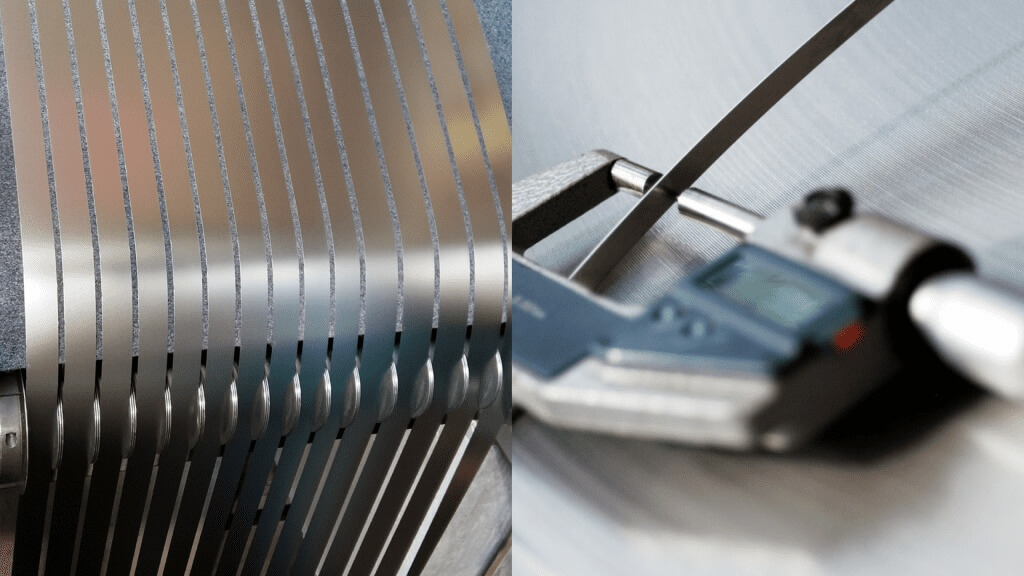
Precision stainless steel strips offer a favorable balance of tensile strength and flexibility, making them ideal for structural components that require durability and resistance to deformation. While materials like copper offer higher conductivity, stainless steel’s superior tensile strength ensures that it can withstand mechanical stresses without compromising performance, making it well-suited for connectors and springs in electronic devices.
For material comparison charts, Outokumpu provides in-depth mechanical property data on various stainless steel grades.
What are the Benefits of Using Austenitic Stainless Steel Grades in Electronics?
Austenitic stainless steels, such as 304 and 316, offer several benefits:
- Corrosion Resistance: Critical for longevity in electronic components exposed to various environmental factors.
- Formability: Allows for intricate shapes without compromising structural integrity.
- Non-Magnetic Properties: Beneficial in applications where magnetic interference could impact device functionality.
These properties make austenitic stainless steels particularly suited for electronic components that demand both reliability and performance. More insights can be found on Steel Finder, where different grades and their applications are detailed.

Can Precision Stainless Steel Strip be Customized for Specific Electronic Projects?
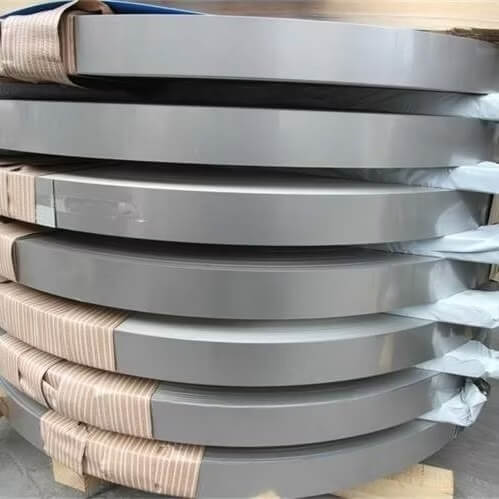
Yes, precision stainless steel strips can be tailored to meet specific project requirements:
- Thickness and Width: These strips are available from very thin (0.05 mm) to thicker gauges (up to 2.5 mm) and widths from a few millimeters to over 600 mm.
- Surface Finish: Various options, including bright-annealed and polished finishes, are available to meet both aesthetic and functional needs.
- Mechanical Properties: Customization options in hardness and tensile strength allow for precise alignment with project specifications.
Suppliers such as Eagle Metals and Precision Metals offer a range of customization options to ensure that stainless steel strips meet the unique needs of each project.
What Surface Finishes are Available for Precision Stainless Steel Strips in Electronics?
Several surface finishes are available to enhance both the aesthetic and functional qualities of stainless steel strips:
- 2B Finish: A smooth, matte finish ideal for interior applications.
- Bright Annealed (BA) Finish: Offers a reflective, mirror-like surface suitable for components where appearance matters.
- Polished Finishes: Available in levels such as #4 and #8, these finishes combine aesthetics with additional corrosion resistance.
Suppliers like Knight Strip Metals and Outokumpu provide various finishing options for precision stainless steel strips, allowing customization based on the specific needs of each electronic application.
Conclusion
Precision stainless steel strips are essential components in electronics, providing durability, customization, and high-quality performance across applications such as connectors, springs, and EMI shielding. With suppliers like Sihua, Outokumpu, and Eagle Metals offering a variety of grades, finishes, and customization options, companies can find tailored solutions that meet their exact requirements, ensuring product reliability and longevity in the electronics market.