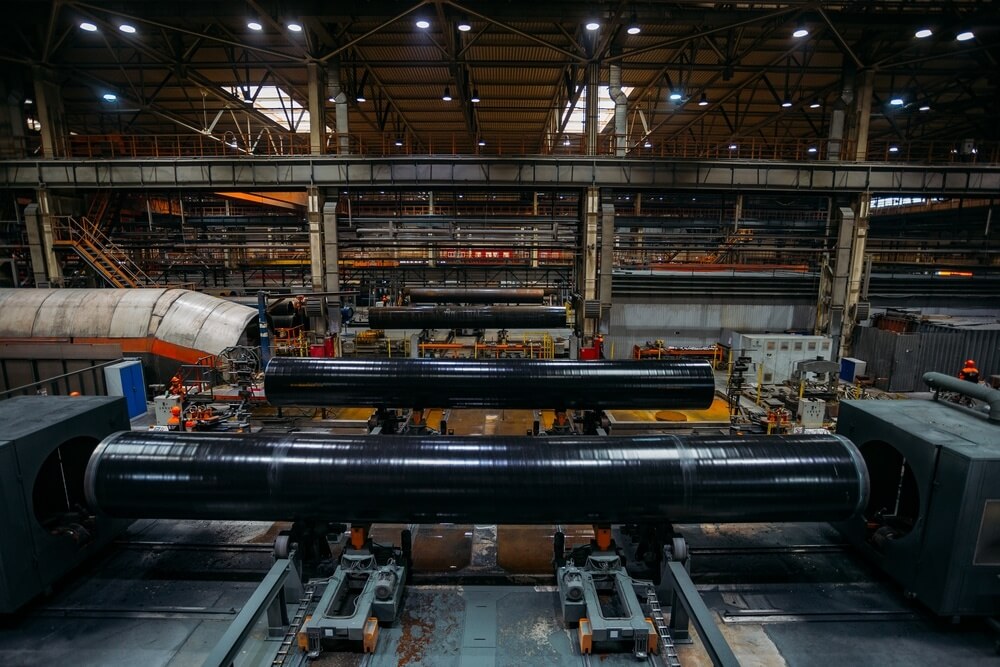
Welding carbon steel pipes to high-density polyethylene (HDPE) pipes introduces considerable challenges due to the disparities in their material properties and the complexities inherent to welding dissimilar materials, which can render conventional welding impractical. This assessment addresses the main obstacles involved in welding carbon steel to HDPE pipes, emphasizing the substantial differences in material properties between the two substances and the limitations presented by traditional welding techniques.
Learn about welding dissimilar materials | Explore pipe welding techniques
Challenges of Welding Carbon Steel to HDPE
Material Properties:
Carbon steel possesses the capacity to withstand significantly higher temperatures than HDPE, with a high melting point of approximately 1,500°C. In contrast, HDPE begins to deform or melt at far lower temperatures, typically around 220°C. This wide variance in thermal properties creates a fundamental limitation as the heat required to weld carbon steel would damage the HDPE, resulting in deformation, cracking, or structural integrity compromise.
Welding Techniques:
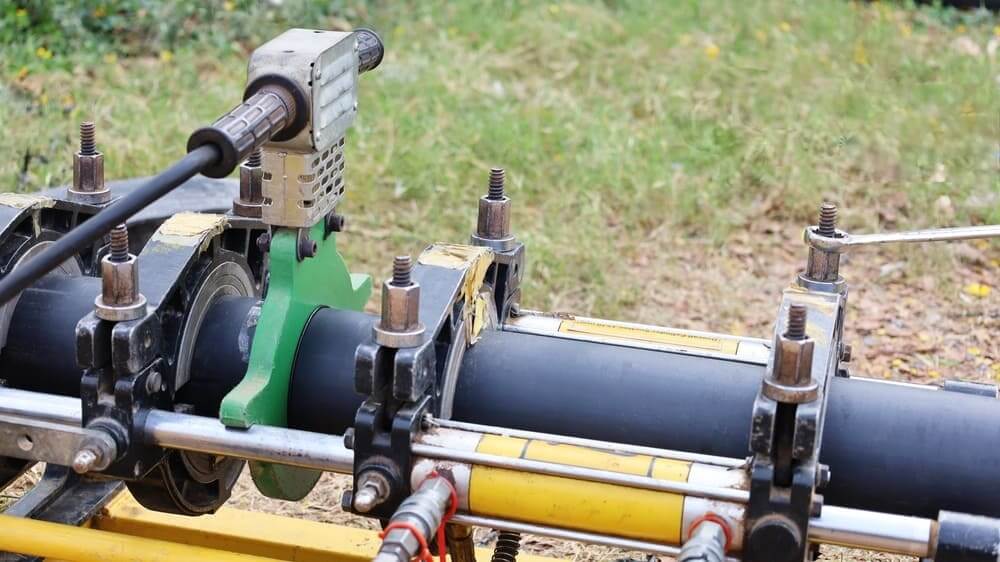
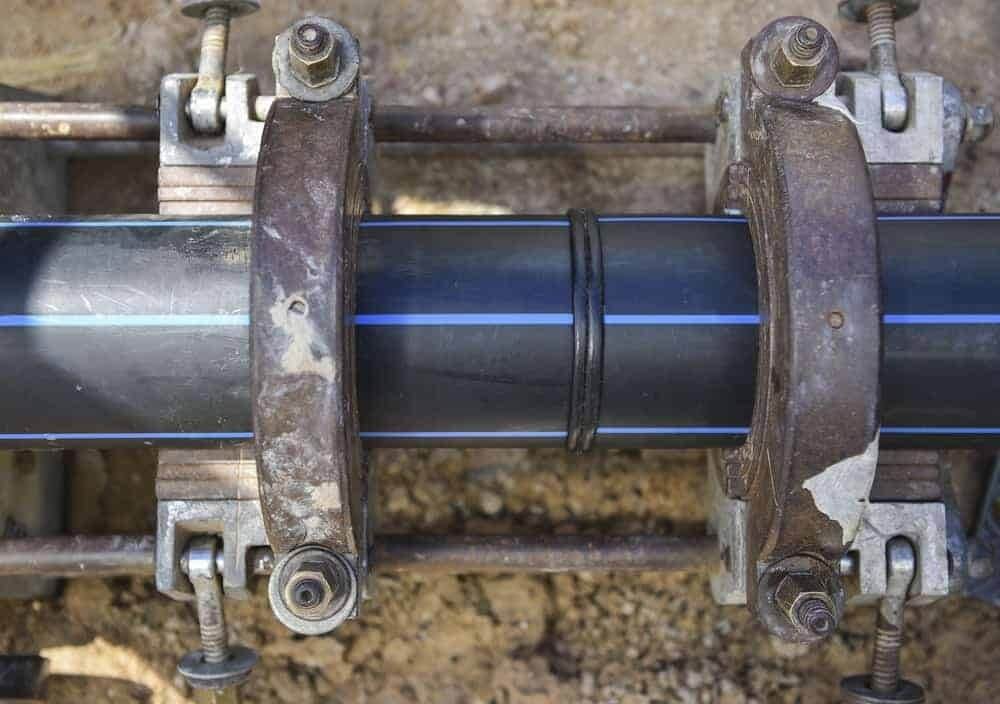
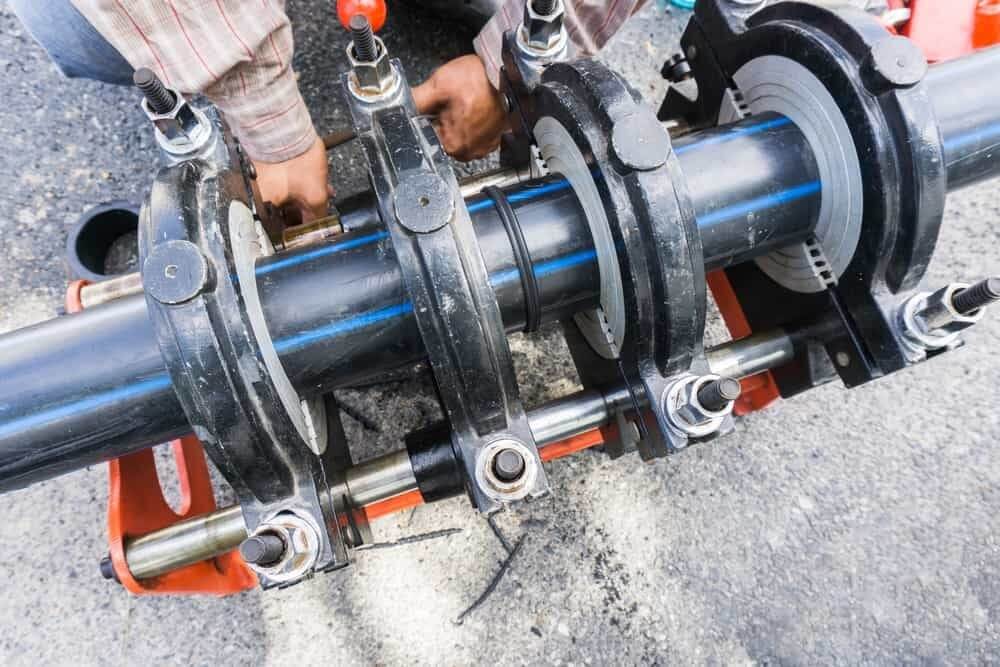
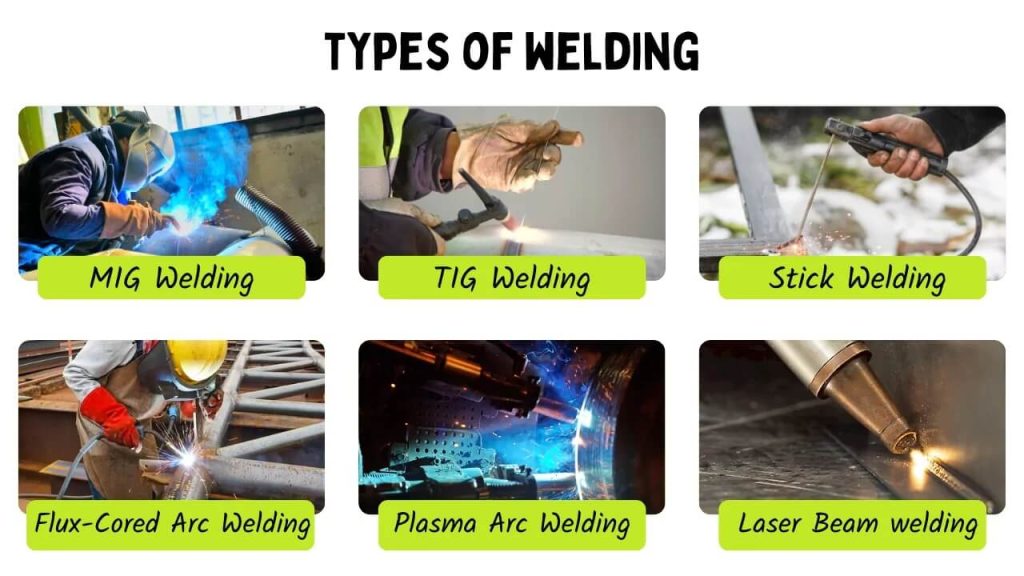
Conventional welding approaches like MIG (Metal Inert Gas) or TIG (Tungsten Inert Gas) welding, typically employed for carbon steel, are not applicable to HDPE. Notably, HDPE necessitates a fusion welding process, which entails heating the pipe ends until they are in a molten state and then joining them under pressure. Given the diverse reactions of these materials to heat, utilizing traditional welding techniques would likely lead to detrimental outcomes or damage to the HDPE pipe.
Given these material property mismatches, alternative joining methods, such as mechanical joints, transition fittings, or flange adapters, should be considered for connecting carbon steel and HDPE pipes.
Learn more about the challenges of welding dissimilar materials | Understanding welding techniques for plastics
Joint Integrity:
Even if an attempt were made to weld these materials, the resultant joint between carbon steel and HDPE would likely be inherently weak, particularly due to the significant disparities in their thermal properties. Under the extreme heat generated during traditional carbon steel welding processes, the HDPE is prone to damage, risking issues such as cracking, warping, or failure under pressure. The potential outcome is a joint lacking the integrity required for dependable performance in a pipeline, particularly in applications where pressure or structural robustness are critical.
Explore the importance of joint integrity in welding | Understanding joint failure in welding
Alternatives for Joining Carbon Steel and HDPE
Given the welding challenges, several effective methods are available for joining carbon steel and HDPE pipes:
1. Transition Fittings
Transition fittings are specialized connectors designed to facilitate secure connection between carbon steel and HDPE pipes. These fittings include a metal section that connects to the carbon steel pipe through welding, and a mechanism for linking to the HDPE pipe utilizing heat fusion or mechanical means. This approach circumvents the need for direct welding of the dissimilar materials while ensuring a robust and reliable joint.
2. Mechanical Couplings
Mechanical couplings serve as an alternative for joining carbon steel and HDPE pipes, providing reliable sealing between the two materials without welding. These couplings can accommodate the diverse material properties and facilitate secure connections that are resistant to leaks or pressure-related failures.
See how transition fittings work | Learn about mechanical couplings
3. Epoxy Coatings
To further enhance the connection, epoxy coatings are often applied to the carbon steel side when using transition fittings. These coatings help prevent corrosion on the steel pipe, ensuring that the metal does not degrade over time, and contribute to a better bond between the fitting and the steel pipe. This is especially important when HDPE and steel are used together in harsh or outdoor environments.
Read more about epoxy coatings for pipe systems | Epoxy coatings for corrosion resistance
Conclusion: Best Methods for Joining Carbon Steel and HDPE Pipes
While direct welding of carbon steel to HDPE is not practical due to material incompatibilities, several alternative methods offer reliable and efficient solutions. Transition fittings, mechanical couplings, and epoxy coatings are all excellent options that can provide secure, long-lasting joints between these two materials without compromising their integrity. These methods ensure that carbon steel and HDPE can be used together effectively in a wide range of applications, from industrial to construction projects.