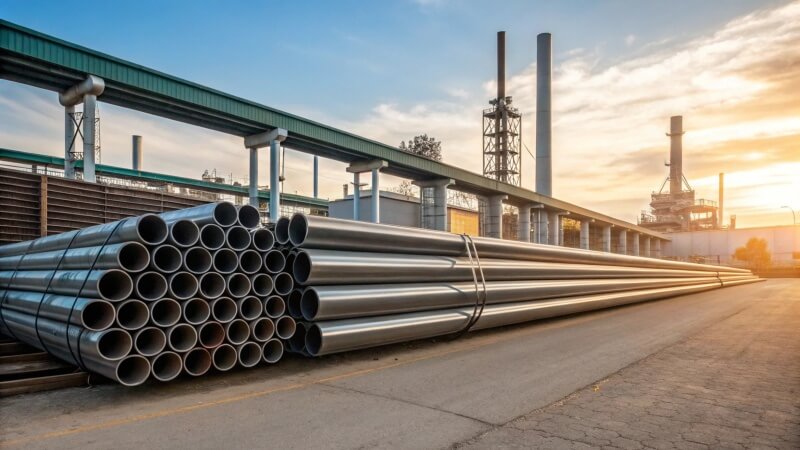
Alloy steel pipes and tubes are essential materials in various industries, but understanding their properties can be complex.
This article will explain the differences, grades, and applications of alloy steel pipes and tubes.
Alloy steel pipes and tubes are created by combining steel with various elements to enhance their strength, corrosion resistance, and heat tolerance.
Understanding alloy steel pipes and tubes is crucial for anyone working in construction, manufacturing, or the steel industry.
What is alloy steel pipe?
The problem: Many people confuse alloy steel pipes with regular steel pipes.
The solution: Learn the defining characteristics that make alloy steel pipes unique.
An alloy steel pipe[^1] is made by adding alloying elements like chromium, nickel, or molybdenum to steel, improving its properties for industrial use.
Alloy steel pipes are widely used in applications requiring high strength, resistance to corrosion, and the ability to withstand high temperatures. These pipes are common in industries such as oil and gas, automotive, and chemical processing.
Key properties of alloy steel pipes:
- Corrosion resistance[^2]: Alloying elements like chromium help prevent rust and corrosion.
- Heat resistance[^3]: High temperatures do not weaken these pipes.
- Strength[^4]: Alloy steel pipes are stronger than regular steel pipes, making them suitable for high-stress applications.
Alloy steel pipe material comparison:
| Alloying Element | Purpose | Common Applications |
|---|---|---|
| Chromium | Corrosion resistance | Chemical plants, oil rigs |
| Nickel | Enhances strength and toughness | Aerospace, automotive |
| Molybdenum | Improves high-temperature strength | Power plants, pipelines |
What is alloy tubing?
The problem: Alloy tubing is often confused with alloy pipes, but they have distinct uses.
The solution: Understand the key differences between alloy tubing and alloy pipe.
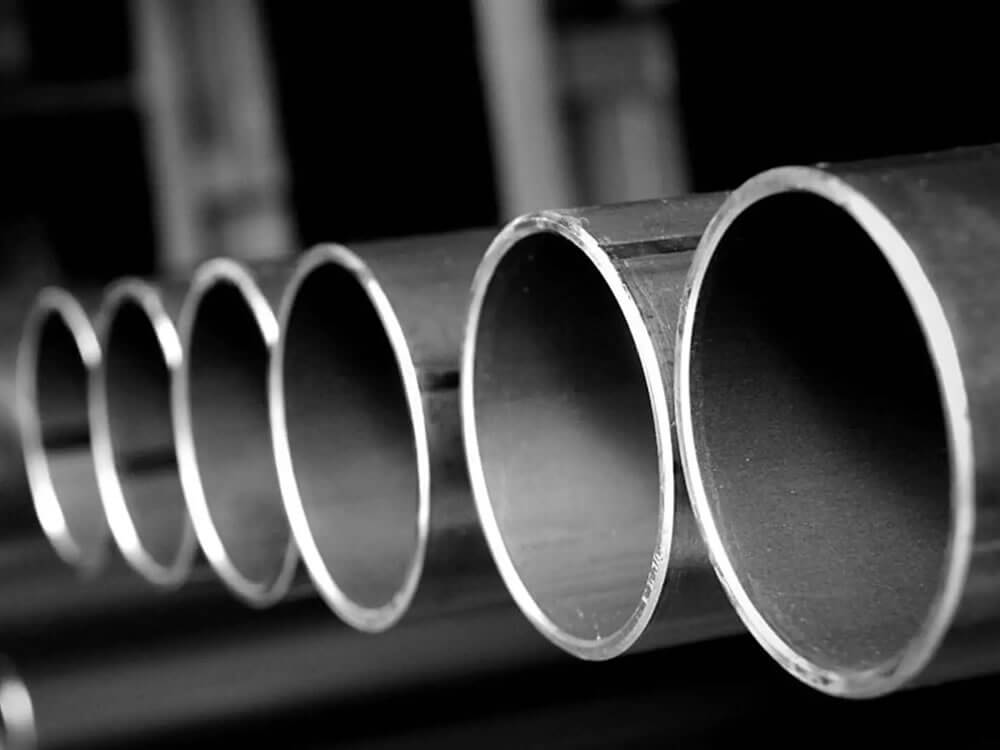
Alloy tubing[^5] is similar to alloy steel pipes but is thinner and used for applications where precise dimensions and mechanical properties are crucial.
Alloy tubing is often used in industries that require tight tolerances, such as the automotive and aerospace sectors. While it is made from similar materials as alloy pipes, it is designed for applications that require high precision.
Differences between alloy pipes and alloy tubes:
- Wall thickness[^6]: Tubing has a thinner wall compared to pipes.
- Applications[^7]: Tubing is often used for fluid systems or precision components, while pipes are used for structural purposes.
- Manufacturing precision[^8]: Tubing is made with stricter tolerances to ensure precise dimensions.
Alloy steel pipes vs. tubes:
| Property | Alloy Pipe | Alloy Tube |
|---|---|---|
| Wall Thickness | Thicker | Thinner |
| Applications | Structural, transport | Fluid systems, precision |
| Precision | Standard tolerance | High precision |
What are the grades of alloy steel pipes?
The problem: With so many grades available, choosing the right alloy steel pipe can be confusing.
The solution: Learn about the most common grades and their applications.
Alloy steel pipes come in various grades[^9] that affect their strength, heat resistance, and corrosion resistance. Common grades include 4130, 4340, and 316.
The grade of alloy steel determines how it behaves under different conditions. For example, 4130 steel[^10] is known for its toughness and is often used in high-pressure applications, while 316 stainless steel[^11] is known for its corrosion resistance.
Common alloy steel pipe grades:
- 4130 Steel: Known for its strength and toughness, used in the oil and gas industry.
- 4340 Steel: High-strength alloy used in aerospace and heavy machinery.
- 316 Stainless Steel: Corrosion-resistant alloy used in marine and chemical processing applications.
Alloy steel pipe grade comparison:
| Grade | Key Features | Common Applications |
|---|---|---|
| 4130 | High strength, impact resistant | Oil, gas, automotive |
| 4340 | Excellent high-temperature strength | Aerospace, military |
| 316 | Exceptional corrosion resistance | Marine, chemical industries |
What type of material is alloy steel?
The problem: Alloy steel is a broad category, and understanding its composition can be challenging.
The solution: Discover what alloy steel is made of and why it’s used in so many applications.
Alloy steel[^12] is created by adding alloying elements like chromium, nickel, or vanadium to carbon steel, enhancing its mechanical properties for various industrial applications.
The addition of these elements makes alloy steel more versatile than regular carbon steel. The exact combination of elements can be adjusted to meet the requirements of specific industries, such as construction, automotive, and aerospace.
Common alloying elements in steel:
- Chromium[^13]: Improves corrosion resistance.
- Nickel[^14]: Adds toughness and enhances wear resistance.
- Vanadium[^15]: Increases strength and hardenability.
Alloy steel composition breakdown:
| Alloy Element | Purpose | Common Uses |
|---|---|---|
| Chromium | Enhances corrosion resistance | Chemical, marine industries |
| Nickel | Increases toughness and wear resistance | Aerospace, automotive |
| Vanadium | Improves strength and durability | High-strength alloys |
Conclusion
In summary, here are the main points about alloy steel pipes and tubes:
- Alloy steel pipes are made by adding elements like chromium, nickel, and molybdenum to steel, making them stronger and more resistant to heat and corrosion.
- Alloy tubing is thinner than alloy pipes and is used for applications that require precision.
- Alloy steel pipes come in various grades such as 4130, 4340, and 316, each suited to different industrial needs.
- Alloy steel is made by adding elements to carbon steel to improve its properties, making it versatile and widely used in industrial applications.
- Understanding the differences between pipes, tubes, and grades is crucial for selecting the right alloy steel product for your project.