
Plumbing pipes require durability and efficiency. Does stainless steel meet these needs?
Stainless steel pipes are durable, corrosion-resistant, and widely used in plumbing for specific applications, but alternatives may sometimes be more cost-effective.
Explore the pros and cons of stainless steel for plumbing to make the best choice.
Can You Use Stainless Steel Pipes for Plumbing?
Plumbing decisions demand reliability. Can stainless steel be the solution you need?
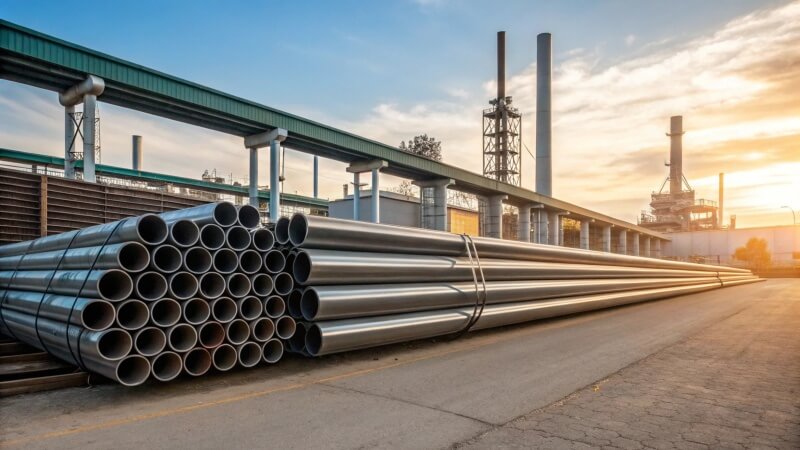
Yes, stainless steel pipes[^1] are widely used in plumbing for their strength, resistance to corrosion, and long lifespan, especially in high-pressure environments.
Stainless steel pipes are excellent for specific applications, including high-pressure systems and areas prone to corrosion.
Key Advantages of Stainless Steel for Plumbing
| Feature | Benefit | Example Use Case |
|---|---|---|
| Corrosion Resistance | Avoids rust and leaks | Coastal or humid regions |
| High Durability | Long-lasting under stress | Industrial piping |
| Aesthetic Appearance | Modern and clean look | Exposed pipe designs |
However, their higher cost compared to other materials might limit their use in residential projects.

Why Isn't Stainless Steel Used for Water Pipes?
Why isn't stainless steel the most common choice for water pipes?
Stainless steel pipes[^2] are less common due to their high cost and specific installation requirements, making them less practical for some water systems.
While stainless steel is durable and corrosion-resistant, it can be expensive and difficult to work with compared to alternatives like PVC or copper.
Comparison of Popular Pipe Materials
| Material | Cost | Corrosion Resistance | Ease of Installation |
|---|---|---|---|
| Stainless Steel | High | Excellent | Moderate |
| Copper | Moderate | Good | Easy |
| PVC | Low | Fair | Very Easy |
For general water supply, materials like copper and PVC often provide a better balance of cost and performance.
What Type of Pipe Is Best for Plumbing?
Are there better alternatives to stainless steel for plumbing needs?
The best pipe for plumbing[^3] depends on factors like cost, durability, and water quality requirements. PVC, copper, and PEX are popular options.
The choice of material should consider the specific application. Copper is excellent for hot water, while PVC is ideal for drainage.
Recommended Uses for Common Plumbing Pipes
| Pipe Type | Best For | Not Ideal For |
|---|---|---|
| Stainless Steel | High-pressure systems | Budget-sensitive projects |
| Copper | Hot water systems | Corrosive environments |
| PVC | Drainage and wastewater | High-temperature systems |
Choosing the right material ensures longevity and performance, balancing cost and functionality.
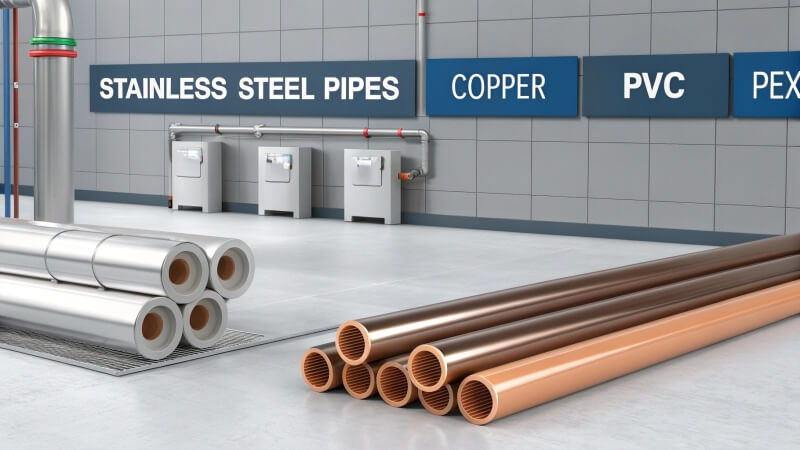
Is Stainless Steel Better Than Copper for Water Pipes?
How do stainless steel and copper compare for water systems?
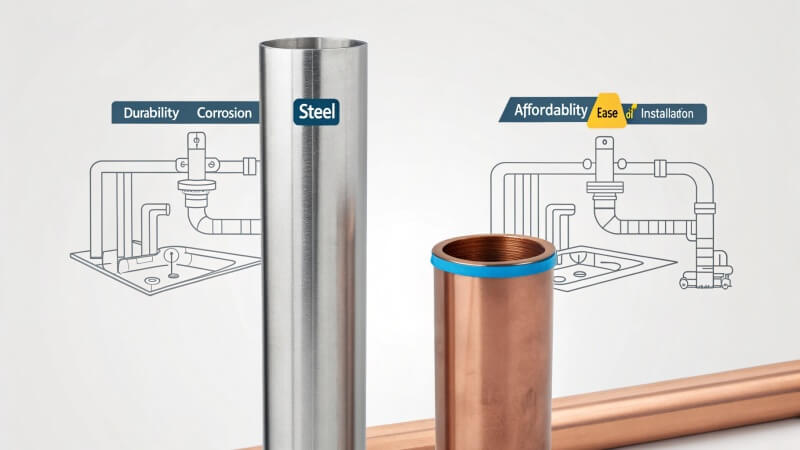
Stainless steel is more durable and corrosion-resistant[^4], but copper is more affordable and easier to install, making it a versatile option.
Both materials have their strengths. Stainless steel excels in strength and resistance, while copper is valued for affordability and ease of installation.
Copper vs Stainless Steel: Key Comparisons
| Feature | Stainless Steel | Copper |
|---|---|---|
| Durability | Superior | Moderate |
| Cost | High | Moderate |
| Installation Ease | Moderate | Easy |
Consider your plumbing system's environment and budget when deciding between the two materials.

Conclusion
Stainless steel pipes are excellent for specific applications due to their durability and resistance to corrosion. However, alternatives like copper, PVC, and PEX may provide better cost-effectiveness and ease of installation for general plumbing systems.
- Stainless steel is highly durable and corrosion-resistant.
- Cost limits its use in residential plumbing.
- Copper and PVC are versatile and cost-effective options.
- Material choice depends on project requirements.
- Balance cost, performance, and longevity for optimal results.
Choose wisely to ensure long-term plumbing efficiency.