When it comes to high-performance applications, 304 stainless steel precision pipe stands out for its durability, strength, and corrosion resistance. But why exactly is it the preferred material for so many industries? Let's dive into its key advantages.
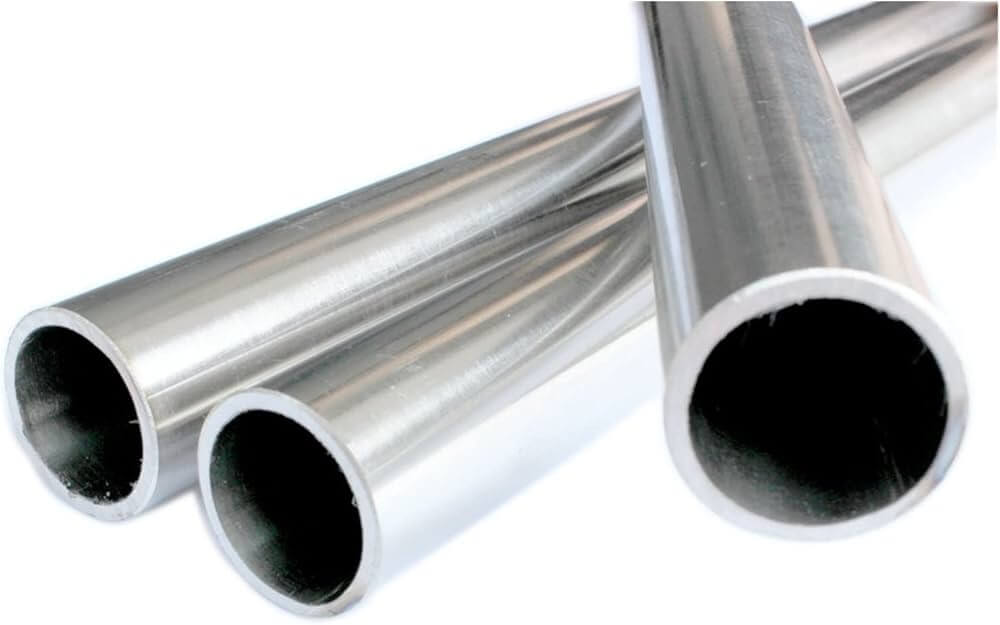
304 stainless steel precision pipes are renowned for their excellent corrosion resistance, strength, and versatility, making them the ideal choice for applications that demand precision and reliability.
Now that we understand the general advantages of 304 stainless steel precision pipe, let's explore its specific applications, and how it compares to other materials in the industry.
Why Choose 304 Stainless Steel Precision Pipe?
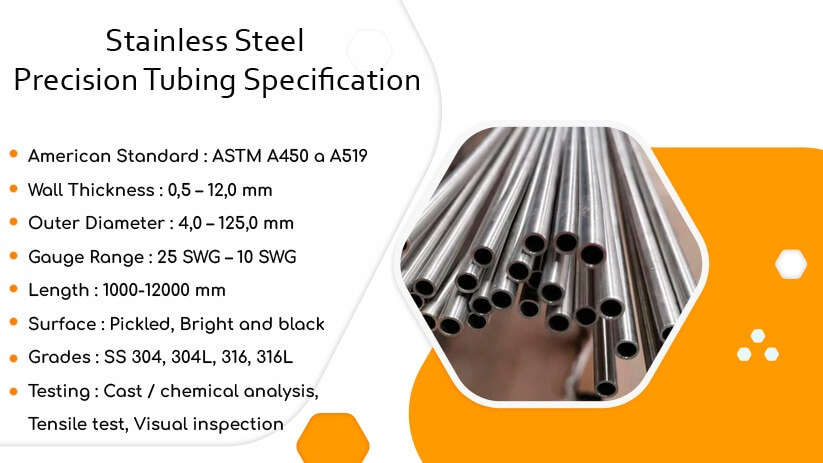
304 stainless steel precision pipe offers unique properties that make it a preferred material for industries requiring high-performance components, differing from other materials due to its notable combination of strength, durability, and resistance to environmental stress.
304 stainless steel precision pipes are acknowledged for their outstanding resistance to corrosion and excellent mechanical properties, rendering them suitable for deployment across a variety of rigorous applications.
304 stainless steel pipes are meticulously manufactured to adhere to 304 stainless steel specifications, ensuring consistent quality. Widely employed in industries such as chemical processing, food processing, and automotive manufacturing, where reliable performance is essential, these pipes remain integral to maintaining high functionality.
The 304 stainless steel Poisson's ratio, typically around 0.3, enables the material to exhibit predictable stretching or compression under stress, providing an additional safeguard for high-stress applications.
For detailed specifications on 304 stainless steel, reference the [304 Stainless Steel Specification Guide]().
What Are the Main Applications of 304 Stainless Steel Precision Pipes?
The variety of applications for 304 stainless steel precision pipes in different industries stems from their exceptional resistance to corrosion and impressive mechanical strength.
Serving as integral components across diverse industrial applications, 304 stainless steel precision pipes are found in a wide array of processes, from hydraulic systems to exhaust pipes in the automotive sector. Their resilience and precision render them particularly well-suited for industries that emphasize cleanliness and durability, such as pharmaceutical and food production. Additionally, these precision pipes are extensively employed in hydraulic systems and automotive exhaust systems, where robust measurements and resistance to elevated pressures and temperatures are essential.
304 stainless steel precision pipes are also used in stainless steel press pipes, delivering the advantage of withstanding pressurized environments. Industries such as chemical engineering and fluid transportation rely on these high-performance pipes for their ability to meet their stringent operational demands.
For further information on the subject, refer to this [Guide to Stainless Steel Press Fit Systems]().
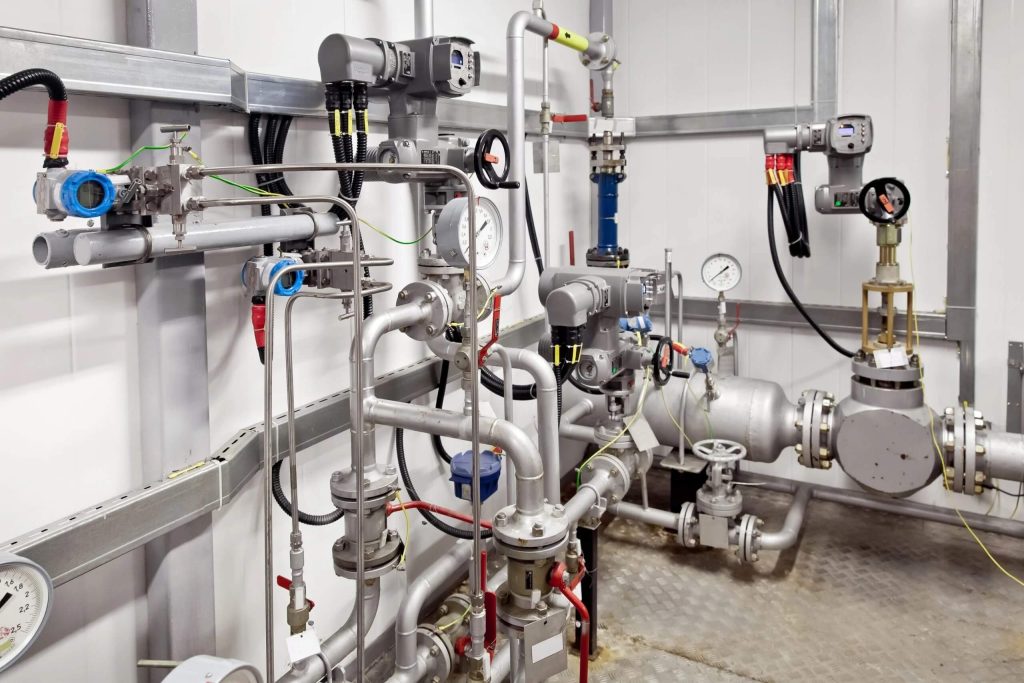

How Does the Corrosion Resistance of 304 Stainless Steel Compare to Other Grades?
The remarkable corrosion resistance of 304 stainless steel presents a compelling proposition favoring its selection over other materials, particularly in less extreme environmental conditions.
304 stainless steel exhibits exceptional resistance to corrosion, delivering robust performance in environments where alternate materials might display susceptibility to degradation. It demonstrates high resilience against oxidation, rust, and various forms of corrosion.
Although grades such as 316 stainless steel offer slightly enhanced corrosion resistance through the incorporation of molybdenum, 304 stainless steel represents a cost-effective alternative for numerous applications. It strikes an excellent balance between cost and performance, particularly in environments free from exposure to aggressive chemicals or extreme saltwater conditions.
Further information regarding corrosion resistance in stainless steels can be found in this [Stainless Steel Corrosion Resistance Guide]().
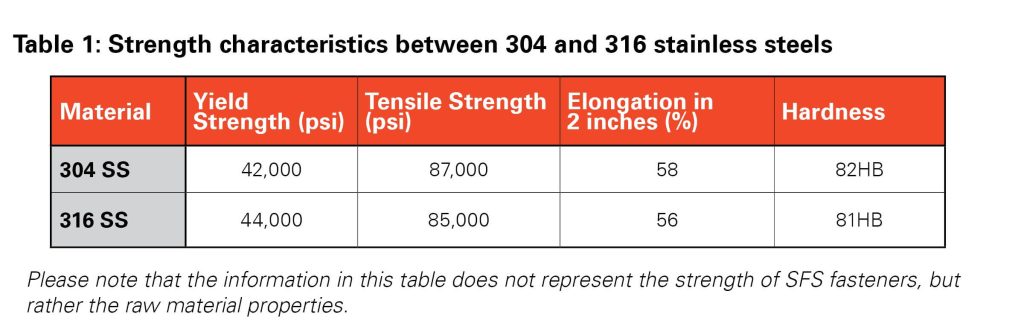
| Stainless Steel Grade | Corrosion Resistance | Applications | Key Features |
|---|---|---|---|
| 304 | Excellent in most environments, especially mild and moderate conditions. | Food processing, chemical equipment, kitchen appliances. | High chromium and nickel content; susceptible to chloride pitting. |
| 316 | Superior to 304, especially in chloride-rich environments. | Marine applications, chemical tanks, medical equipment. | Contains molybdenum for enhanced pitting resistance. |
| 201 | Lower than 304 due to reduced nickel and chromium content. | Kitchen utensils, automotive trim. | Economical; not ideal for corrosive environments. |
| 430 | Moderate, suitable for mildly corrosive environments. | Decorative applications, appliances. | Lower cost; ferritic, not as durable as 304. |
| 310 | Excellent at high temperatures and oxidizing environments. | Furnace parts, heat exchangers. | High chromium and nickel; premium grade. |
| 2205 (Duplex) | Very high, better than 316 in many environments. | Offshore structures, chemical processing. | High strength and corrosion resistance. |

What Are the Typical Uses of 304 Stainless Steel in the Automotive Industry?
The automotive industry relies significantly on the application of 304 stainless steel precision pipes, as the material offers exceptional mechanical properties combined with corrosion resistance.
304 stainless steel plays a vital role in the automotive sector, specifically within exhaust systems, fuel lines, and the fabrication of undercarriage parts. The material’s corrosion resistance and capacity to withstand high temperatures render it highly applicable to these particular uses. In addition, 304 stainless steel square bar is utilized for the manufacture of components requiring meticulous dimensions and robust structural integrity. The material’s ability to resist oxidation ensures the durability of these components, particularly in demanding environments like exhaust systems.
Further insights into the use of 304 stainless steel in automotive manufacturing can be found in the [Stainless Steel in Automotive Applications]() article.
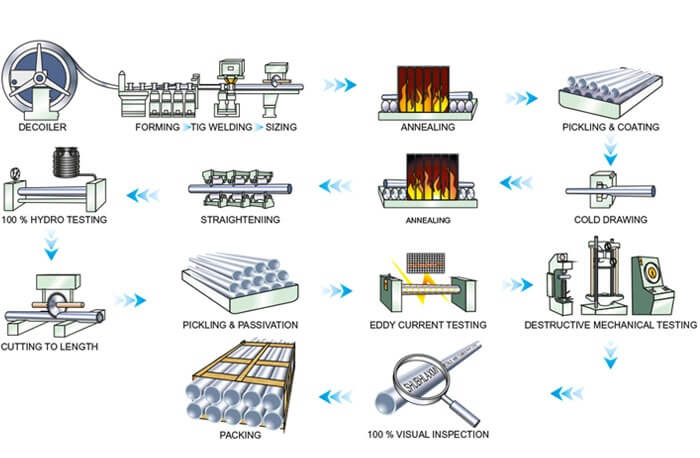
How Does the Cold Drawing Process Affect the Properties of 304 Stainless Steel Pipes?
The cold drawing process significantly enhances the mechanical properties of 304 stainless steel pipes, rendering them better suited for precision-based applications.
Cold drawing substantially augments the strength, surface finish, and dimensional accuracy of 304 stainless steel pipes, essential qualities for precision-based applications. Through this process, the internal structure of the pipes is refined, enhancing their surface smoothness and dimensional tolerance, rendering them ideal for deployment within applications such as hydraulic cylinders and precision machinery that demand exact measurements.
For comprehensively detailed information regarding the cold drawing process, consult this [Cold Drawing Process Guide]().
What Are the Dimensional Tolerances for 304 Stainless Steel Precision Pipes?
Dimensional tolerances play a critical role in verifying the proper fit and functionality of 304 stainless steel precision pipes within intricate systems.
The robust design of 304 stainless steel precision pipes includes rigorous dimensional tolerances, guaranteeing their usability in high-precision settings where accuracy is of the utmost importance.
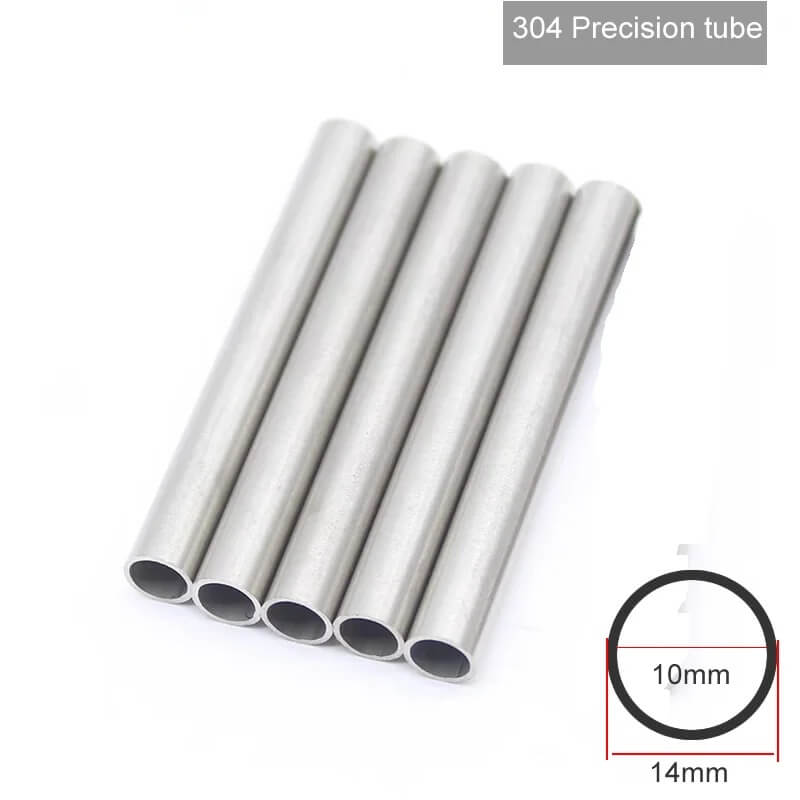
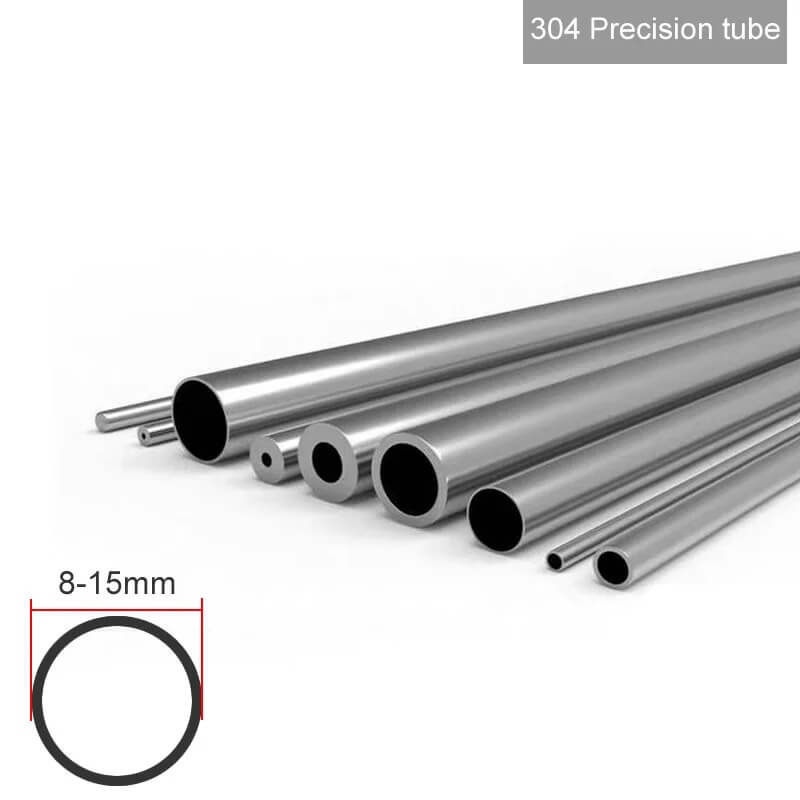
The metric stainless steel pipe sizes chart details the specific dimensional tolerances for assorted measurements, ensuring uniformity and precision at a high standard. These specifics are particularly crucial in industries like aerospace, automotive, and fluid systems, where exact fittings and dependable performance are essential. For reference, a comprehensive [Metric Stainless Steel Pipe Size Chart]() can provide valuable information.
Can You Weld 304 Stainless Steel?
304 stainless steel can indeed be welded, but it requires specific techniques to maintain its strength and corrosion resistance.
When welding 304 stainless steel, it's important to use the right filler material and techniques to avoid compromising the material’s performance.
304 stainless steel is highly weldable using TIG and MIG welding methods. However, it is crucial to use 304L filler metal to maintain the pipe’s excellent corrosion resistance properties. The welding process also needs to be carefully controlled to prevent distortion or weakening of the pipe.
For more details, visit this [Guide to Welding Stainless Steel]().
What Are the Weaknesses of 304 Stainless Steel?
While 304 stainless steel excels in many applications, it does have some weaknesses that can limit its use in certain environments.
304 stainless steel is vulnerable to stress corrosion cracking in chloride-rich environments, which can compromise its performance in marine or chemical processing applications.
Although it offers superior corrosion resistance in most environments, 304 stainless steel is not suitable for exposure to harsh chemicals like sulfuric acid or environments with high concentrations of chlorides, where stress corrosion cracking might occur.
You can find out more about the weaknesses of 304 stainless steel in this [Stainless Steel Properties Guide]().
What Filler Metal Should Be Used to Weld 304 Stainless Steel?
Choosing the correct filler metal is essential when welding 304 stainless steel to ensure the integrity of the weld.
The most commonly used filler metals for welding 304 stainless steel are 304L and 308L, which ensure the same properties and performance as the base material.
Using 308L filler metal for welding 304 stainless steel press pipe ensures the weld will have similar mechanical properties and resistance to corrosion, maintaining the pipe’s high performance.
For more on selecting filler metals for welding, visit this Welding Filler Metal Selection Guide.
What Is the Difference Between 304 and 316 Stainless Steel Pipe?
When comparing 304 and 316 stainless steel pipes, it's important to understand the key differences in material composition and performance.
While both 304 and 316 stainless steel pipes offer excellent corrosion resistance, 316 stainless steel contains molybdenum, providing superior resistance to chloride-induced corrosion.
316 stainless steel is often preferred for marine and highly corrosive environments, while 304 stainless steel is a more cost-effective choice for less extreme applications. Both materials are used in the manufacture of precision stainless tubes, but 316 offers higher performance in certain chemical processing and saltwater environments.
You can explore more about the differences between these two materials in this 304 vs 316 Stainless Steel.
Conclusion
In conclusion, 304 stainless steel precision pipes are the ideal choice for high-performance applications due to their strength, corrosion resistance, and versatility.