304 stainless steel tubing is widely used in many industries, thanks to its durability and versatility. But, what makes it stand out from other materials? Let’s explore the many benefits it offers.
Snippet paragraph: 304 stainless steel tubing is known for its corrosion resistance, strength, and versatility. It’s ideal for a wide range of applications, including food processing and construction.
Transition paragraph: Curious about its heat resistance, or why it’s preferred over other alloys? Keep reading to find out more!
What Are the Advantages of 304 Stainless Steel?
304 stainless steel is often chosen for its unique combination of properties. It offers excellent resistance to corrosion, rust, and stains. This makes it a top choice in various industries, from food production to construction.
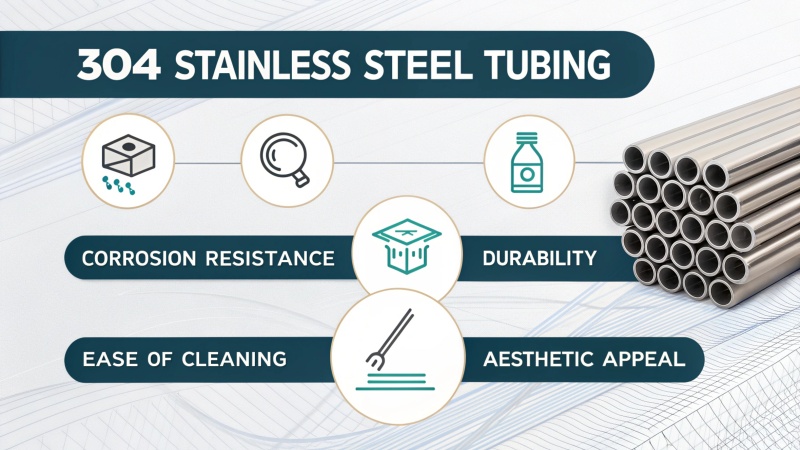
304 stainless steel[^1] is corrosion-resistant, durable, and highly versatile. It’s widely used in construction, food processing, and manufacturing due to its reliability.
Dive-Deeper: Advantages of 304 Stainless Steel
The primary advantage of 304 stainless steel is its resistance to oxidation and corrosion. It contains 18% chromium and 8% nickel, which form a protective layer on the steel’s surface. This layer helps prevent damage from exposure to oxygen, moisture, and certain chemicals.
Strength and Durability
304 stainless steel is known for its exceptional strength, even in extreme temperatures. It has a tensile strength of around 73,000 psi (pounds per square inch), which makes it suitable for heavy-duty applications.
Applications of 304 Stainless Steel Tubing
| Industry | Application | Benefit |
|---|---|---|
| Food Processing | Tubing for dairy, beverages, and pharmaceuticals | Prevents contamination, easy to clean |
| Construction | Structural components and piping | High strength and rust resistance |
| Automotive | Exhaust systems, catalytic converters | Resists high temperatures and corrosion |
Versatility
One of the biggest selling points of 304 stainless steel tubing is its versatility. It can be easily formed into various shapes and sizes, making it suitable for both industrial and consumer products.
Is 304 Stainless Steel Heat Resistant?
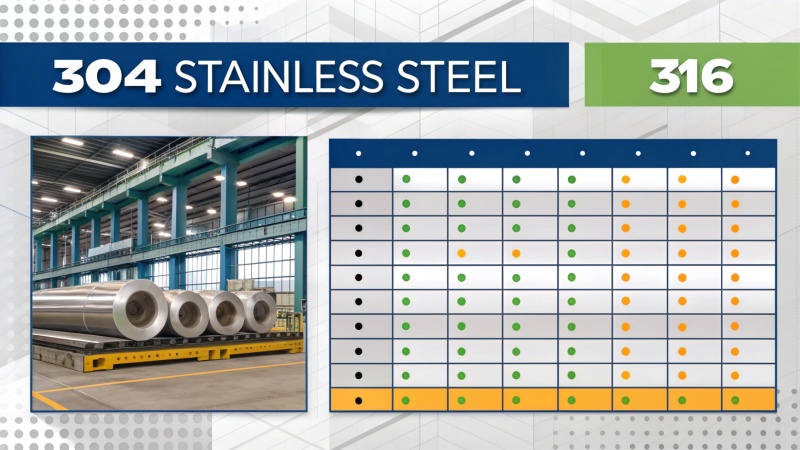
Yes, 304 stainless steel has good heat resistance. It can withstand temperatures up to 870°C (1600°F) in intermittent service, and up to 925°C (1700°F) in continuous service without losing its structural integrity.
304 stainless steel heat resistance[^2] makes it suitable for use in high-temperature environments, including kitchens and industrial settings.
Dive-Deeper: Heat Resistance of 304 Stainless Steel
The heat resistance of 304 stainless steel is largely due to its composition. The chromium content helps the steel maintain its stability in high-heat environments, while the nickel provides further toughness and resistance to oxidation. This makes 304 steel ideal for use in applications like kitchen equipment, exhaust systems, and industrial machinery.
Comparing Heat Resistance
| Steel Grade | Max Operating Temperature (°C) | Max Operating Temperature (°F) |
|---|---|---|
| 304 | 870°C (intermittent) | 1600°F (intermittent) |
| 316 | 870°C (intermittent) | 1600°F (intermittent) |
| 304L | 870°C (intermittent) | 1600°F (intermittent) |
Best Applications for Heat Resistance
304 stainless steel is ideal for use in environments where high heat is prevalent, such as:
- Industrial Kitchens[^3]: Cooking equipment, fryers, and ovens.
- Manufacturing: Heat exchangers and furnace components.

What Are the Weaknesses of 304 Stainless Steel?
While 304 stainless steel offers many benefits, it does have some limitations. It is not as resistant to certain types of corrosion, particularly in chloride-rich environments. This is where 316 stainless steel often takes over.
304 stainless steel weaknesses[^4] include vulnerability to chloride corrosion, which can affect its performance in environments with high salt content or extreme moisture.
Dive-Deeper: Chloride Corrosion Resistance
The primary weakness of 304 stainless steel lies in its inability to resist chloride-induced corrosion, such as pitting and crevice corrosion. This can be a significant issue in marine environments or areas with high salt content in the air. If you need a material for such conditions, 304 stainless steel vs 316[^5] is often recommended due to its higher molybdenum content.
Chloride Corrosion Resistance
| Steel Grade | Resistance to Chloride Corrosion | Applications |
|---|---|---|
| 304 | Moderate | Suitable for food processing, general use |
| 316 | High | Ideal for marine environments, chemical industries |
When to Avoid 304 Stainless Steel
If your application involves exposure to chlorides or extreme acidic conditions, consider opting for 316 stainless steel, which is more resistant to such environments.
Why Use 304 Instead of 316?
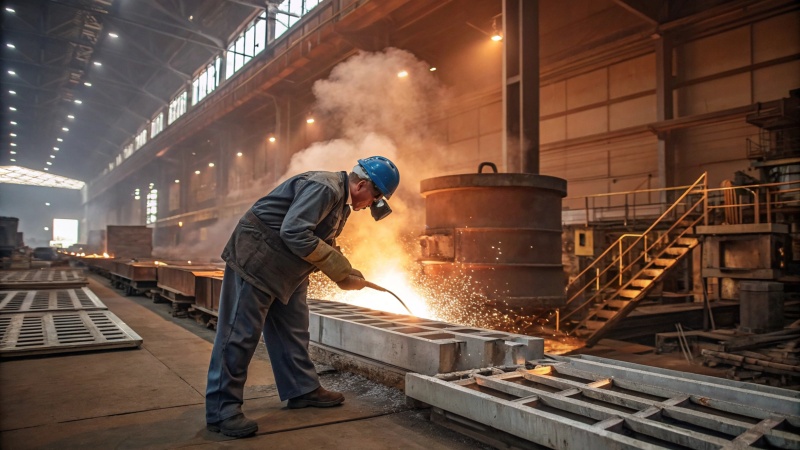
Choosing 304 stainless steel over 316 usually comes down to cost. 304 is more affordable than 316, while still offering impressive corrosion resistance, heat resistance, and strength.
304 stainless steel vs 316[^6] is often preferred over 316 for its affordability, making it a popular choice in a wide range of industries, unless specific environmental conditions require 316.
Dive-Deeper: Cost Considerations Between 304 and 316
304 stainless steel is typically chosen for its balance between cost and performance. While 316 stainless steel offers superior resistance to corrosion, especially in marine and high-salinity environments, 304 is often sufficient for less demanding applications.
Cost Comparison
| Steel Grade | Cost (per ton) | Corrosion Resistance |
|---|---|---|
| 304 | Lower | Suitable for most environments |
| 316 | Higher | Excellent for marine and chemical environments |
Choosing Between 304 and 316
Consider the following factors when deciding between 304 and 316 stainless steel:
- Application Type: Will it be exposed to harsh chemicals or saltwater?
- Budget: Is the cost difference justified for your specific needs?
- Corrosion Resistance: Does your application require enhanced protection against corrosion?
Conclusion
In conclusion, 304 stainless steel tubing offers several benefits for various applications, especially where cost is a concern. Here are the key points to remember:
- 304 stainless steel is corrosion-resistant and durable.
- It provides excellent heat resistance, up to 870°C (1600°F).
- 304 is vulnerable to chloride corrosion, limiting its use in salt-rich environments.
- 304 stainless steel is more affordable than 316, making it a popular choice.
- Regular maintenance is crucial to ensure its longevity in harsh environments.
304 stainless steel tubing is a reliable and cost-effective solution for many industries.