
Struggling to find a material that meets the highest standards of strength, corrosion resistance, and versatility? If you need a wire that’s known for its precision and high tensile strength, corrosion resistance, and the ability to deliver dimensional accuracy, then you’ve found the right material for your application.
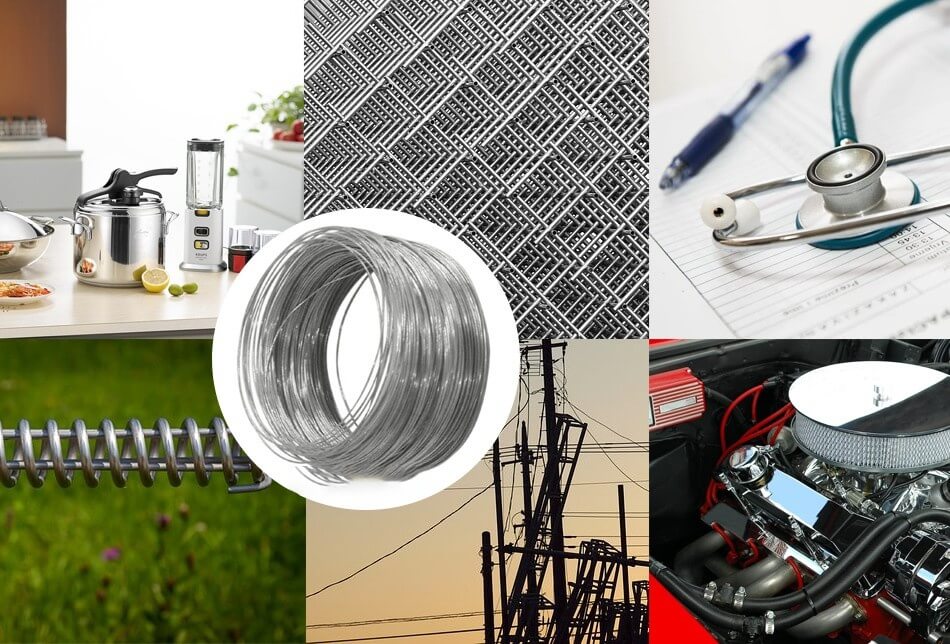
Precision stainless steel wire is used in a multitude of industries that demand excellence in strength, corrosion resistance, and dimensional accuracy. This high-performance material is trusted in various fields, including medical, automotive, aerospace, and construction, for its exceptional properties.
Let’s take an in-depth look at the characteristics, production methods, and usage of precision stainless steel wire to comprehend its widespread applicability across distinct industries.
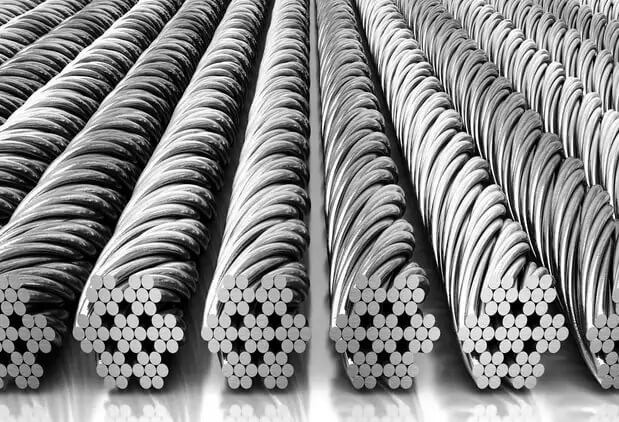
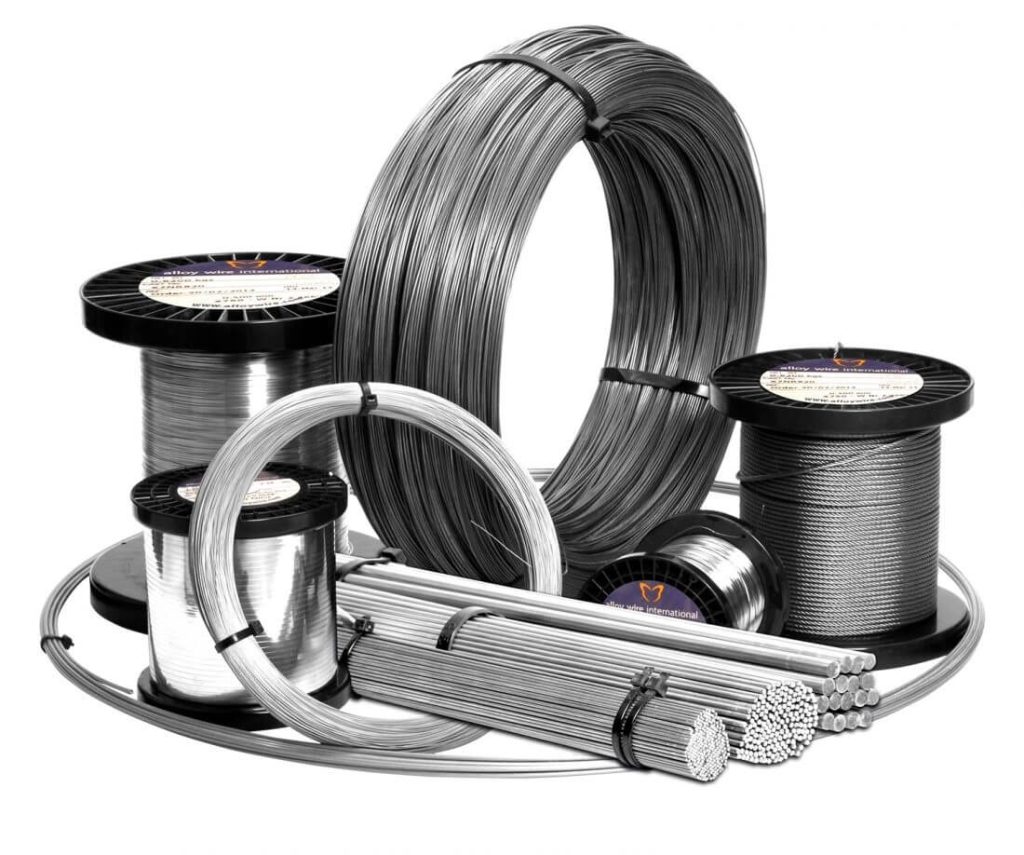
What are the key characteristics of precision stainless steel wire?
Would you like to understand why precision stainless steel wire is so well regarded? This material is essential in many different industries because of its characteristics.
Stainless steel wire is known for its high tensile strength, great resistance to corrosion, good formability, and dimensional accuracy. It comes in different surface finishes, making it ideal for a variety of uses, from medical devices to construction.
Learn more about stainless steel properties and its role in precision engineering.
How is precision stainless steel wire manufactured?
Want to know how the wire is made? The special process to make precision wire is key to its performance.
Key manufacturing stages include:
- Material Selection: Choosing high-quality stainless steel alloys for specific applications, such as 304, 316, and 410 stainless steel.
- Wire Drawing: Utilizing wire drawing processes to decrease the diameter of the wire while increasing its length, essential in achieving precise dimensions.
- Annealing: Employing annealing methods to alleviate internal stresses within the wire and enhance ductility to prepare for subsequent processing phases.
- Surface Treatment: Concluding the manufacturing process with surface treatments intended to enhance corrosion resistance and aesthetics through polishing or coating. These measures are essential to ensure the performance and appearance of the wire align with expectations.
- Quality Control: Subjecting the wire to rigorous quality control measures designed to verify its mechanical and dimensional specifications, ensuring it meets intended precision requirements.
Discover the manufacturing process and why annealing is essential.
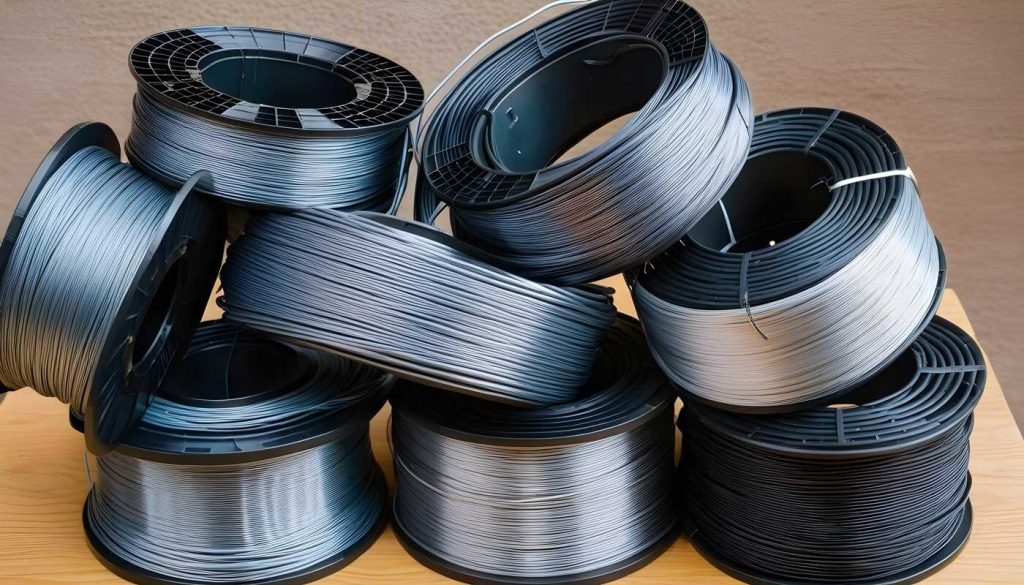
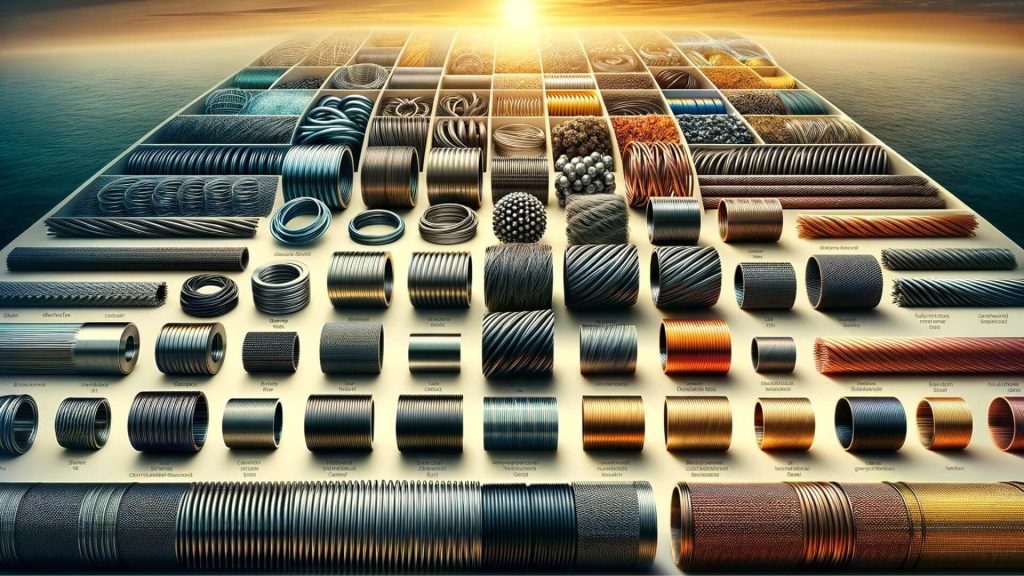
What are the primary applications of precision stainless steel wire?
Where is it used? Precision stainless steel wire is indispensable across multiple industries.
Applications include:
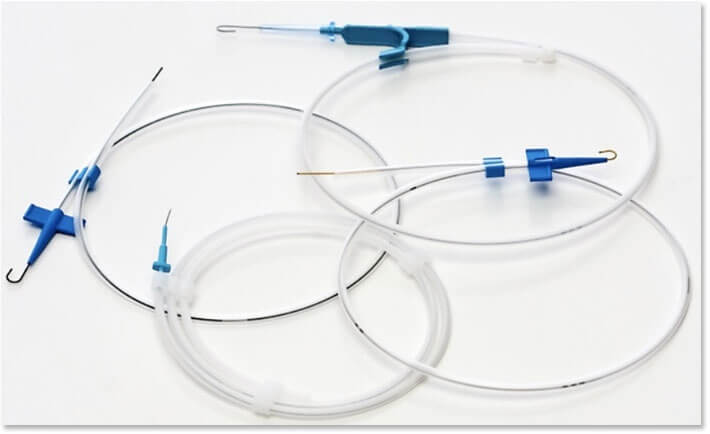
- Medical Devices: Surgical instruments, guide wires, and needles.
- Automotive: Airbag systems, reinforcement cables, and durable components.
- Aerospace: Lightweight yet strong materials for aircraft safety.
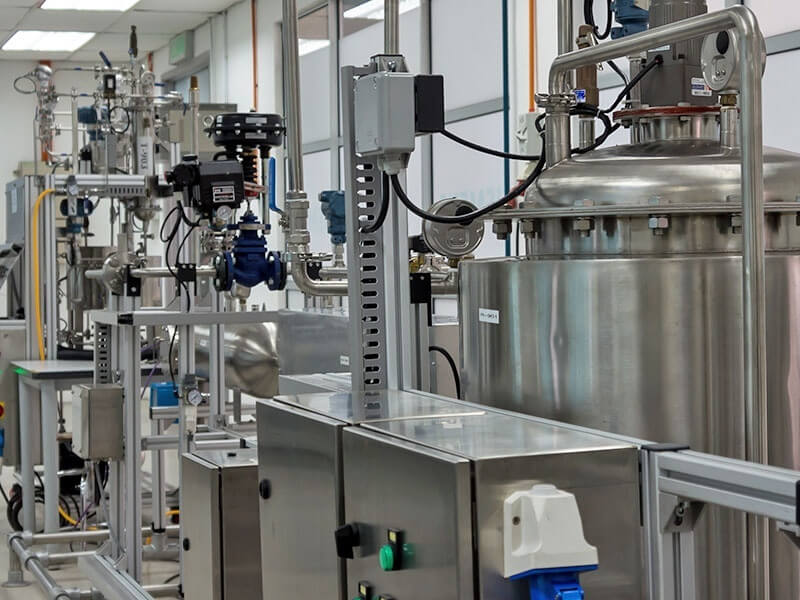
- Food Processing: Corrosion-resistant equipment like conveyor belts and trays.
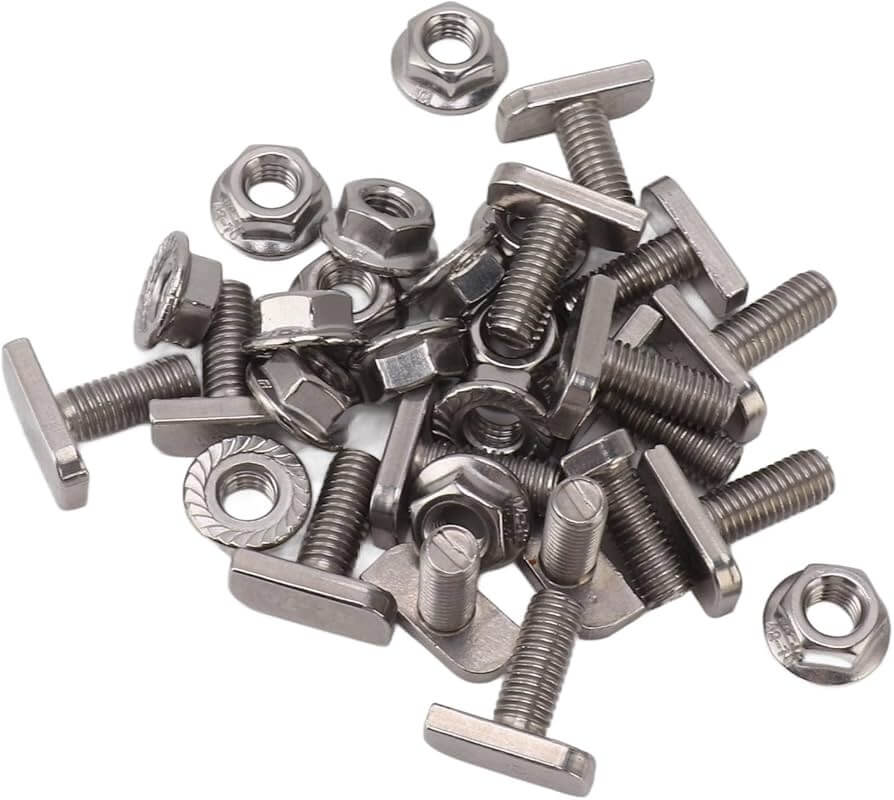
- Construction: Structural reinforcements and reliable fasteners.
- Electronics: Springs, connectors, and other precision components.
Explore medical applications and aerospace advancements.


How do alloy types affect the properties of stainless steel wire?
Still not sure which stainless steel wire you need? The type of stainless steel alloy will help determine that.
Types of stainless steel alloys like 304 and 316 will change the properties of the wire, things like how it resists corrosion, how much strength the wire can bear, and how much heat it can take before it stops performing well. The 316 type of stainless steel is popular in marine applications because of its resistance to corrosion, while 304 is used just about everywhere else that stainless steel is needed.
Compare stainless steel grades and their performance benefits.
What are the benefits of using spring temper stainless steel wire?
Are you looking for a wire that springs back when you bend it? The right temper in your stainless steel wire can make all the difference.
Spring temper stainless steel wire provides excellent tensile strength, high elasticity, and exceptional fatigue resistance. Due to these properties, it is frequently employed for the construction of springs found in various applications, as well as in the creation of orthodontic devices and precision components employed in demanding operational environments.
Learn about spring temper wire and its fatigue-resistant properties.
How does the surface coating process enhance performance?
Curious about why you might need a coated wire? The coating process can protect your wire and change how it looks.
Using coatings like nickel plating or polymer can make the wire look different, protect your wire from rusting, and make the wire last longer. These coatings are important if you need to use your wire in a marine or aerospace environment, where the salt in the air can eat your wire or where your wire is subjected to moisture.
Discover wire coating techniques and their industrial applications.
Why is precision stainless steel wire so versatile?
Eager to learn why numerous industries place their trust in precision stainless steel wire? Its exceptional versatility and quality distinguish it from other materials.
Precision stainless wire’s versatility extends from its suitability in various industrial settings to its application in a wide range of products, such as intricate medical devices, durable fasteners for construction purposes, and components for electronic equipment. Notably, its resistance to tarnishing, long-lasting strength, and ability to accommodate complex designs have positioned stainless steel wire as a favored material across diversified industries.
Explore wire versatility and why it’s a preferred choice.
Conclusion
Precision stainless steel wire combines tensile strength, corrosion resistance, and dimensional accuracy, making it a cornerstone of modern engineering. Whether for medical devices, automotive safety, or aerospace applications, this material ensures reliability and performance in demanding environments.
| Benefit | Description | Example Applications |
|---|---|---|
| Corrosion Resistance | Withstands rust and harsh environments due to its chromium content. | Marine equipment, food processing devices. |
| High Tensile Strength | Resists breaking under stress, ensuring durability in demanding applications. | Automotive safety components, aerospace parts. |
| Good Formability and Malleability | Easily shaped into complex designs without compromising structural integrity. | Medical instruments, springs, electronics. |
| Dimensional Accuracy | Precision manufacturing ensures tight tolerances in diameter and length. | Surgical needles, industrial fasteners. |
| Versatile Surface Finishes | Customizable finishes (e.g., bright, matte) to meet application-specific requirements. | Decorative applications, construction tools. |