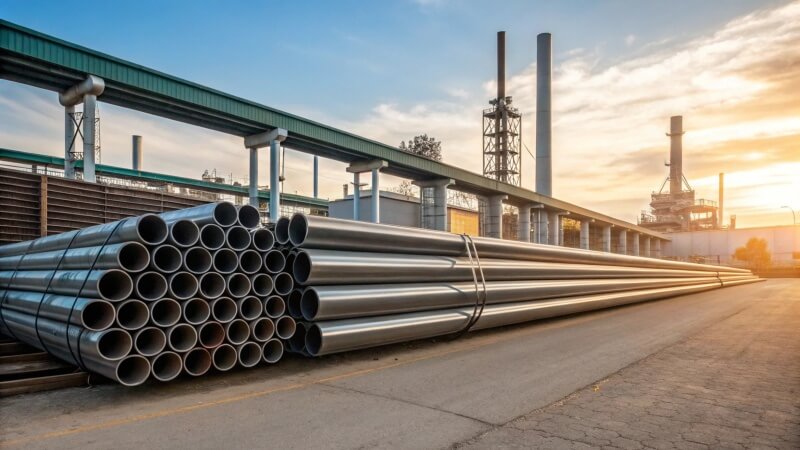

Precision metal tubing is essential in diverse industries, providing high-quality tubes with precise dimensions that adhere to strict specifications. Utilized in hydraulic systems and medical equipment, this tubing guarantees efficient operation in settings that demand reliability and exacting dimensional conformance.
Key Characteristics of Precision Metal Tubing
Material Composition
Precision metal tubing is fabricated from a range of materials, including stainless steel, carbon steel (e.g., ST52.3), aluminum, and specialized alloys. Each material offers distinct properties suitable for specific applications. For instance, ST52.3 steel provides high strength and pressure resistance, making it ideal for hydraulic cylinders and pneumatic systems.
Tolerances and Dimensions
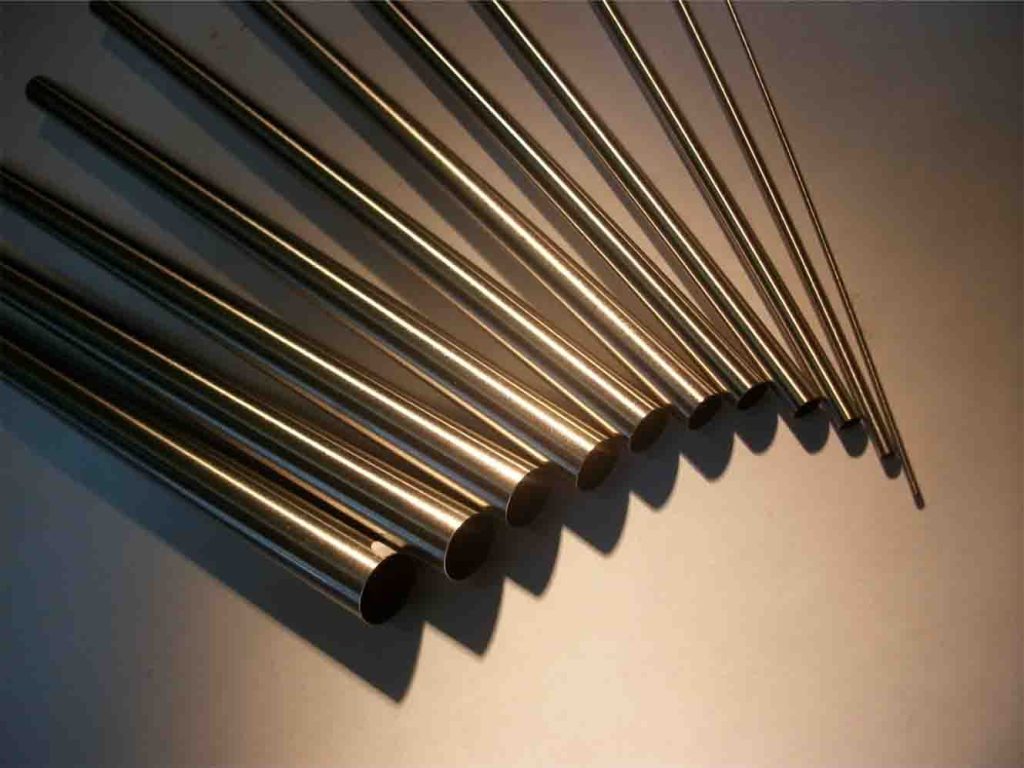
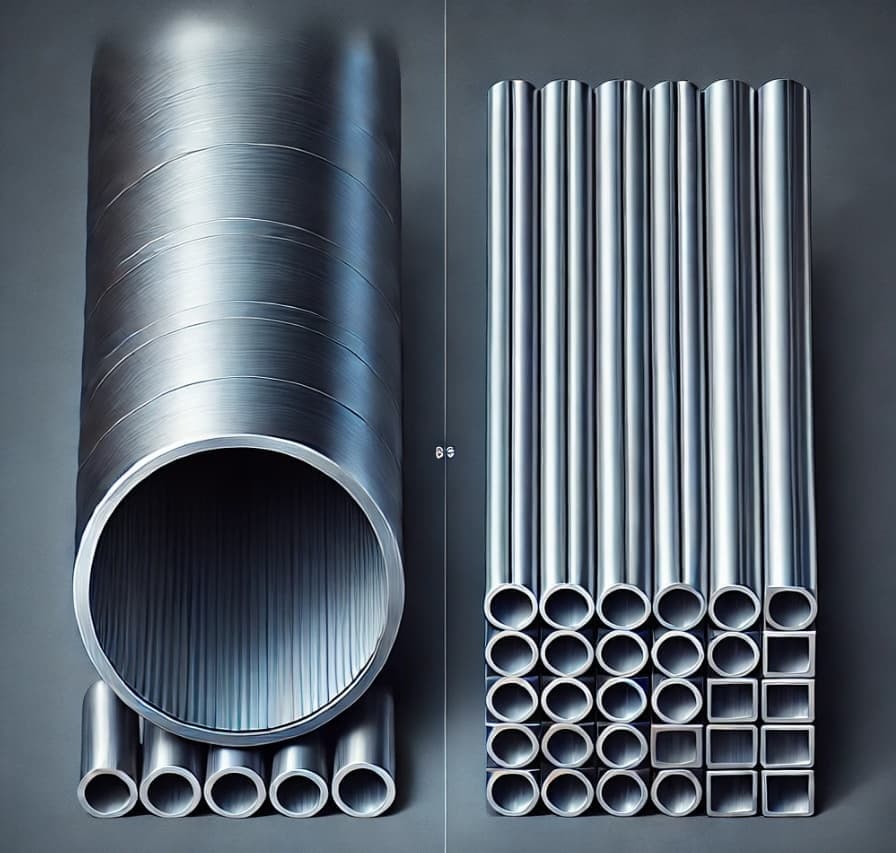
Manufacturers produce precision tubing with tight tolerances, usually graded as H7, H8, or H9 for internal diameters. Internal diameter accuracy can be maintained as low as 0.001 inches to ensure a precise fit for vital applications. Wall thicknesses generally span from 0.001 inches to several millimeters, depending on application-specific requirements.
Surface Finish
The internal surface roughness of precision tubes can measure as fine as Ra 0.1 to 0.4 μm, critical for minimizing friction in fluid flow applications and delivering lasting performance in hydraulic and pneumatic systems.
Manufacturing Processes
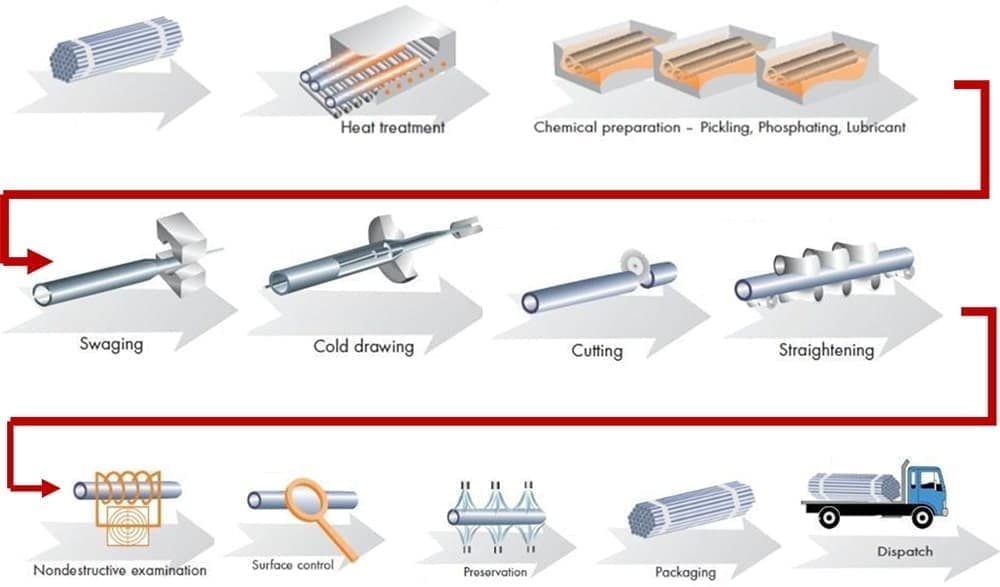
Standard manufacturing processes for precision metal tubing include cold drawing, honing, and seamless production techniques. These processes ensure robustness and durability, while maintaining the meticulous precision necessary for diverse applications.
Applications of Precision Metal Tubing
Precision metal tubing is utilized across diverse industries, including:
Hydraulic Systems
Tubing such as ST52.3 is extensively employed in hydraulic cylinders due to its capability to withstand high pressure and maintain exact internal dimensions. These tubes are indispensable in construction and industrial machinery requiring reliable performance under heavy loads.
Pneumatic Systems
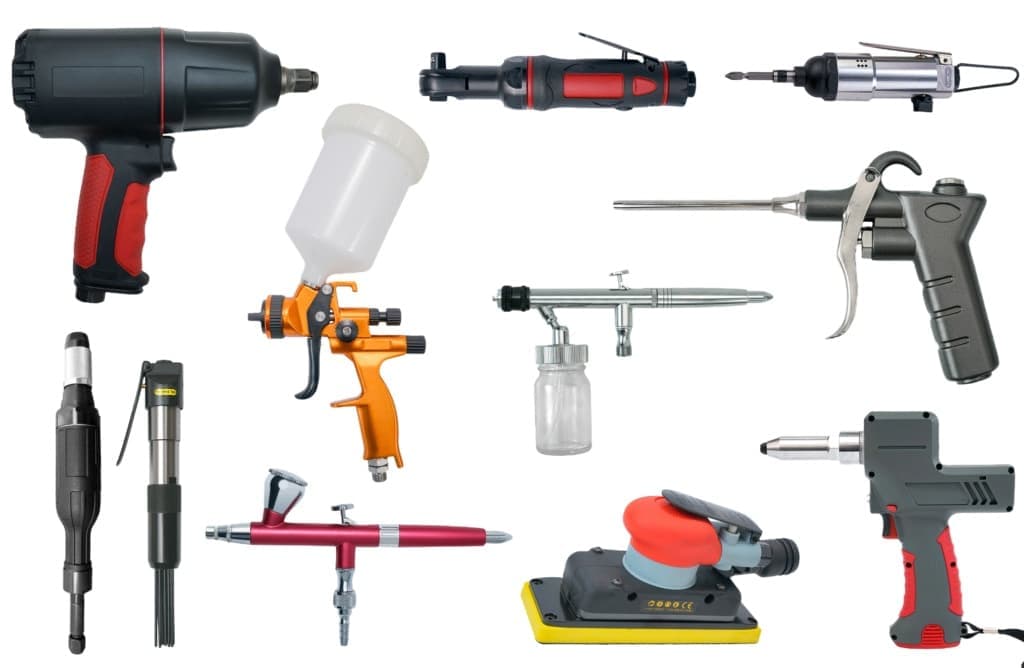
Precision metal tubing is also integral to pneumatic systems, including air-driven tools and equipment. The narrow tolerances ensure controlled airflow, enabling the system to function with necessary efficiency.
Medical Devices
Within the medical sector, precision metal tubing plays a critical role in surgical instruments, drug delivery systems, and diagnostic devices. The exacting precision and cleanliness of the tubing are essential for ensuring patient safety and precise medication delivery.
Automotive and Aerospace
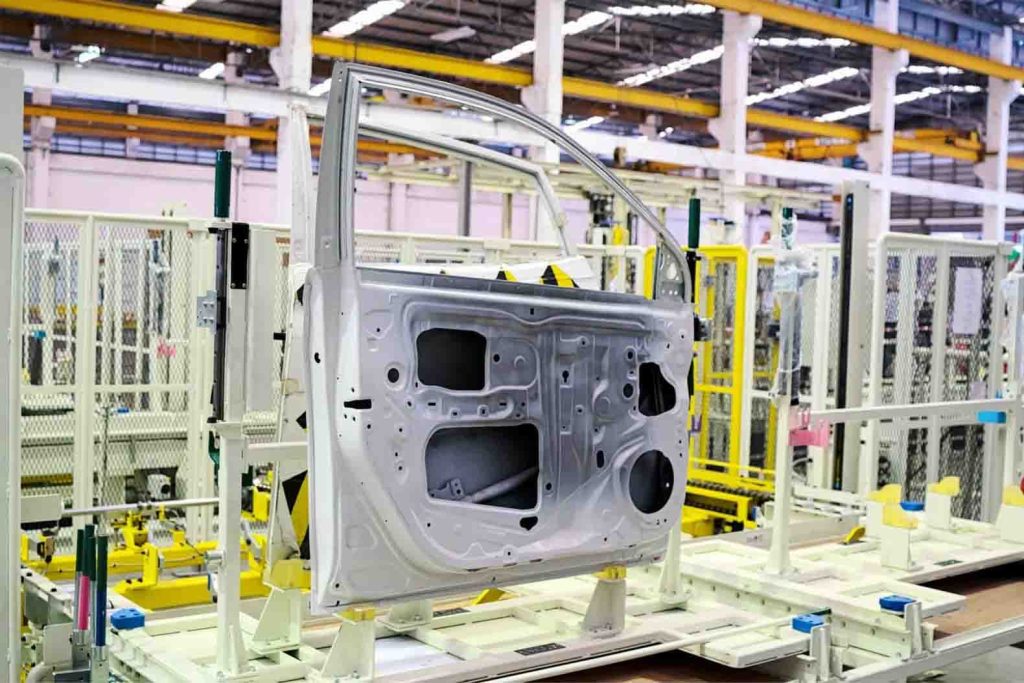
In both the automotive and aerospace industries, precision metal tubing is essential for components demanding lightweight but robust materials. Tubes fabricated from materials like stainless steel or ST52.3 can withstand the rigorous conditions and high pressures prevalent in these sectors.
Advantages of Precision Metal Tubing
High Precision
Precision tubes are distinguished by their tight tolerances and smooth finishes, ensuring seamless integration. This minimizes the risk of leaks or failures, a critical consideration for systems such as hydraulic cylinders and medical devices, where reliability is paramount.
Durability
Fabricated from high-quality materials, precision metal tubing boasts exceptional resistance to wear, corrosion, and pressure, fostering enduring durability in challenging environments.
Versatility
Available in diverse sizes and materials, precision tubing can be tailored to meet exacting application specifications. Its versatility renders it an ideal choice for a broad array of industries, from automotive to medical devices.
Cost-Effectiveness
Although precision metal tubing may necessitate a higher initial investment compared to standard tubing, its reliability and long-term performance often translate to reduced maintenance and replacement expenses, yielding a more cost-effective solution over time.
Conclusion
Precision metal tubing plays a vital role in many industries by providing high-quality, accurately sized tubes that meet stringent specifications. With materials like ST52.3 offering exceptional strength and durability, precision metal tubing is essential for high-performance hydraulic and pneumatic systems, where reliability and longevity are paramount. Whether used in construction machinery, aerospace, or medical devices, precision metal tubing ensures optimal performance across diverse applications.
Here's a sample specification table for precision metal tubing, focusing on key attributes typically considered for industrial use:
| Specification | Description |
|---|---|
| Material | Stainless Steel, Carbon Steel (ST52.3), Aluminum, Special Alloys |
| Outer Diameter (OD) | 6 mm to 400 mm (varies by application) |
| Wall Thickness | 0.2 mm to 12 mm |
| Inner Diameter (ID) | Customized per application, typically within ±0.1 mm of the specified size |
| Tolerance | H7, H8, H9, depending on size and material |
| Length | Custom cut-to-length, typically up to 12 meters |
| Surface Finish | Ra 0.1 μm to Ra 0.4 μm (internal surface roughness) |
| Yield Strength | 500 MPa to 700 MPa (depending on material and size) |
| Tensile Strength | 600 MPa to 800 MPa |
| Manufacturing Process | Cold Drawing, Cold Rolling, Seamless Production, Honing |
| Typical Applications | Hydraulic Cylinders, Pneumatic Systems, Medical Devices, Automotive Components |
| Chemical Composition | Varies by material; includes low carbon for steel, higher alloy content for corrosion resistance in stainless steel |
| Special Features | High precision, high corrosion resistance, customizable length and diameter |