When selecting between stainless steel sheet and coil, comprehending their distinctions can influence project efficiency and cost. Consider how these products are tailored to specific applications.
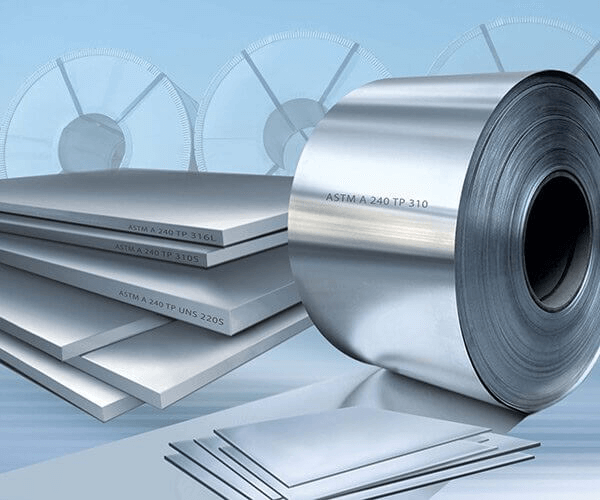
Stainless steel sheets are flat pieces typically used for smaller, precision applications, while stainless steel coils consist of rolled sheets suitable for industries with high-volume production needs. Each product boasts unique properties catering to specific project requirements.
Now that we have a foundational understanding, let's delve deeper into the disparities and explore the industries where these materials are favored and how they are best utilized.
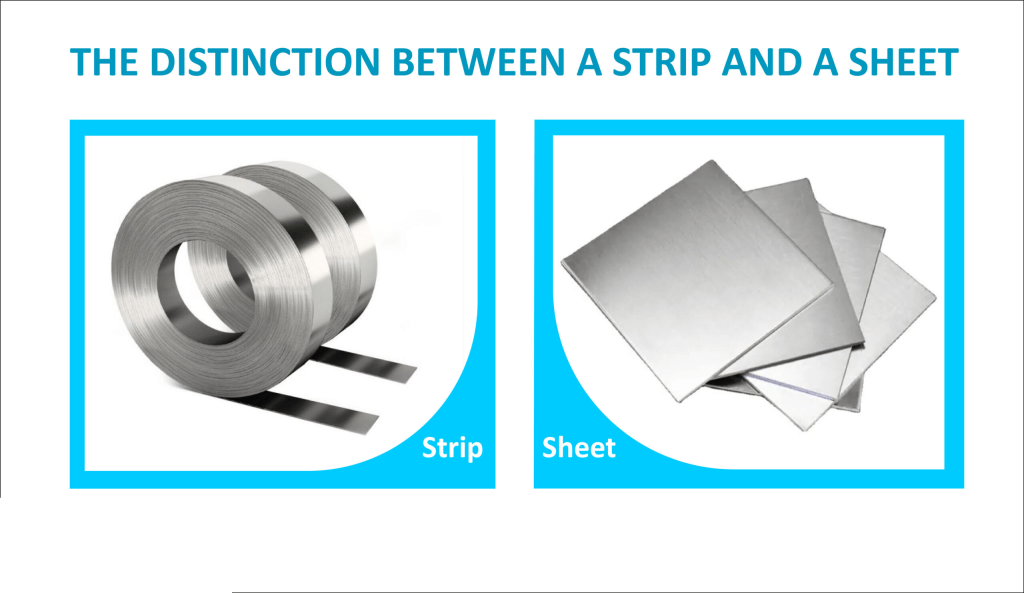
What is the Difference Between Stainless Steel Sheets and Coils?
Understanding whether to utilize stainless steel sheets or coils is crucial for projects of all scales. Differentiating between these options is essential for informed decision-making.
Stainless steel sheets are specifically cut to size for smaller applications, while stainless steel coils are processed in rolled form, facilitating continuous manufacturing suitable for industries requiring high-output levels.
Stainless steel sheets are flat products cut to precise dimensions, ideal for uses like architectural facades and automotive parts, especially for smaller-scale projects requiring precision. Coils are elongated, continuous rolls of stainless steel utilized for industries necessitating high-volume production, such as pipe manufacturing and industrial tubing.
Coils are favored in industries demanding ongoing uninterrupted material supply for large-scale manufacturing. The decision over which product to use should be based on the nature of the project and whether continuous material flow is necessary.
For more insights, visit Stainless Steel Sheet Sizes or Steel Coils for Industrial Applications.
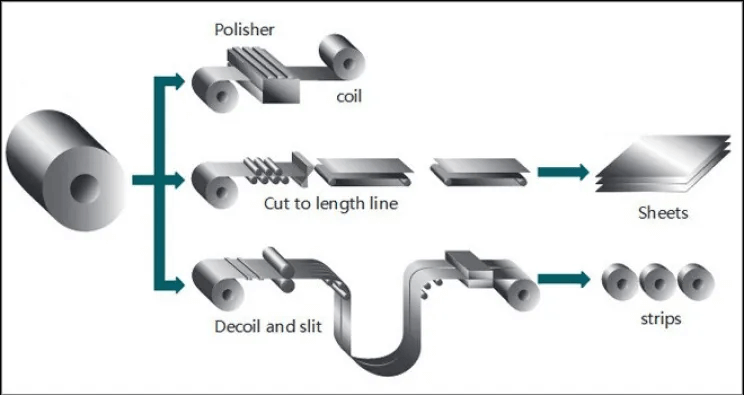
What is Stainless Steel Coil?
Stainless steel coils are a valuable resource for industries with high production needs, but what exactly are they and how do they differ from other materials?
A stainless steel coil represents a continuous roll of stainless steel, particularly useful for industries requiring extended lengths of material, such as construction and industrial manufacturing.
Stainless steel coils consist of elongated, rolled sheets commonly used in high-output settings, including automotive and construction industries. They facilitate efficient transportation and on-site unrolling, allowing for tailored cutting to suit individual requirements. The primary advantage of utilizing coils is their ability to support seamless material flow in projects involving continuous production.
Available in various thicknesses, lengths, and grades, stainless steel coils offer versatility across a broad spectrum of applications. This material is available for purchase from suppliers such as Aalco Stainless Steel .
For additional information, please visit Stainless Steel Coil Applications .
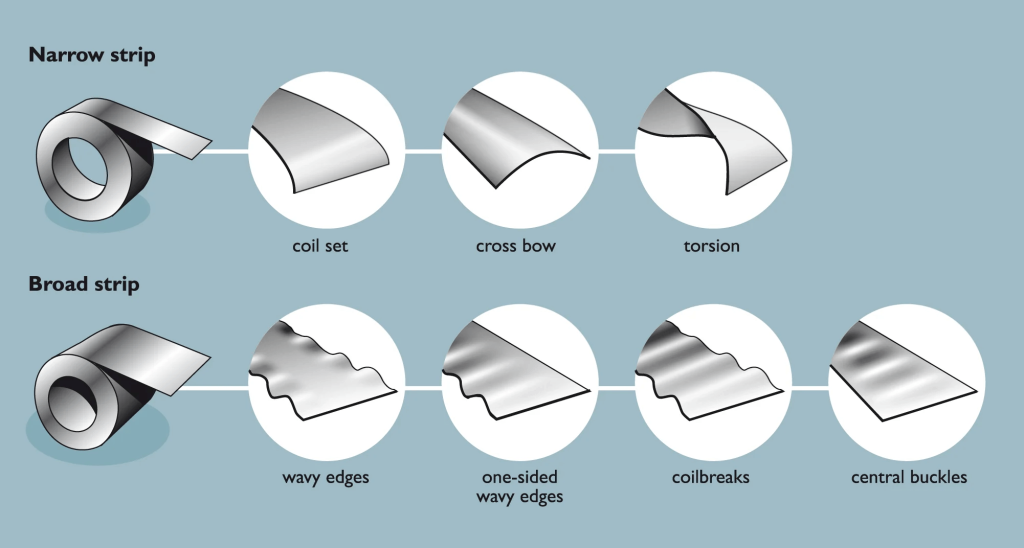
What is a Sheet Coil?
When considering materials for versatile project needs, sheet coils are among the options to explore. However, how do they differ from flat sheets?
Sheet coils are derived from thin, flat sheets of metal that have been formed into a continuous coiled shape. They are particularly valuable within industries such as automotive and industrial manufacturing.
Sheet coils effectively represent flat metal sheets rolled into a coiled format, facilitating convenient transport and storage in larger quantities. These coils find frequent use in industries like roofing, automotive, and structural fabrication, where extended, continuous material lengths are beneficial.
By supporting uninterrupted material supply, the coils enable seamless large-scale production without the need for frequent starts and stops. They are especially valuable in applications requiring a continuous supply of material to support activity along a production line.
For additional details, visit Stainless Steel Coils Explained or review the [Aalco Stainless Steel Coil Guide] .
What is the Difference Between Aluminum Sheet and Coil?
Choosing between aluminum sheet and coil? Understanding the differences between these options is crucial for accurate material selection within your project.
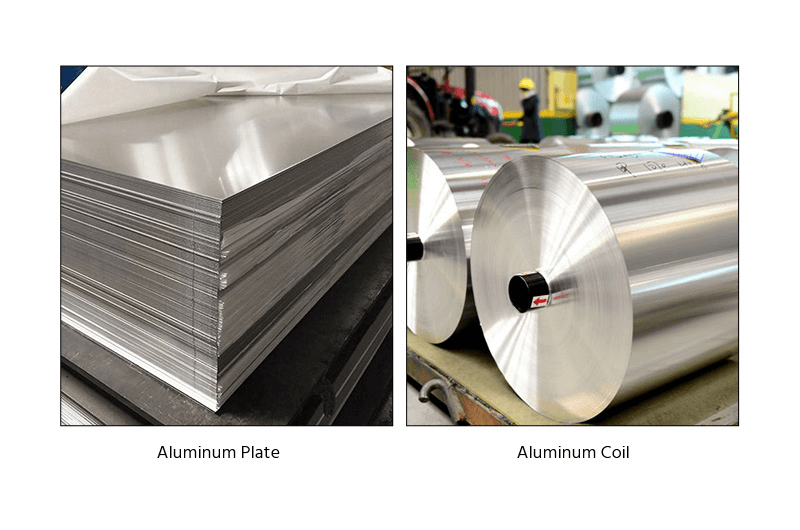
The contrast between aluminum sheet and aluminum coil predominately centers on their form and scope of application. Sheets are tailored for smaller, more intricate projects, while coils are optimal for high-output scenarios occurring within industries such as manufacturing.
Aluminum sheets are flat and well-suited for smaller, highly accurate applications, including building facades and aircraft skins. They are readily manageable and can be cut to precise dimensions as required. In contrast, aluminum coils are elongated, rolled components designed for extensive large-scale manufacturing activities, including roofing, gutter systems, and industrial paneling.
When continuous material runs are essential for a project, aluminum coils represent the superior choice. Conversely, sheets are favored for meticulous endeavors demanding a high degree of precision.
For further insight, explore Aluminum Sheet vs Coil and Aluminum Coil Specifications .
Conclusion
Recognizing the distinctions between stainless steel sheets and coils, as well as their aluminum counterparts, is vital for informed material selection tailored to your specific project requirements. Sheets are purpose-designed for smaller, precise applications, while coils excel in facilitating continuous, high-volume production processes.
For comprehensive product details and availability, visit Stainless Steel Sheet and Coil Price .
| Material Type | Chemical Composition | Main Applications | Features |
| 304 Stainless Steel | C≤0.08, Si≤1.00, Mn≤2.00, Cr: 18.00-20.00, Ni: 8.00-10.50 | Building decoration, cutlery, medical equipment | Good corrosion resistance, easy to form and process |
| 316 Stainless Steel | C≤0.08, Si≤1.00, Mn≤2.00, Cr: 16.00-18.00, Ni: 10.00-14.00, Mo: 2.00-3.00 | Marine engineering, chemical equipment, food industry | Excellent corrosion resistance, especially against chlorides |
| 201 Stainless Steel | C≤0.15, Si≤1.00, Mn: 5.50-7.50, Cr: 16.00-18.00, Ni: 3.50-5.50 | Household appliances, kitchen equipment | Lower cost, weaker corrosion resistance |
| 430 Stainless Steel | C≤0.12, Si≤1.00, Mn≤1.00, Cr: 16.00-18.00, Ni≤0.75 | Automotive decoration, household appliances, cutlery | Affordable, moderate corrosion resistance for everyday use |
| 410 Stainless Steel | C≤0.15, Si≤1.00, Mn≤1.00, Cr: 11.50-13.50 | Knives, mechanical parts, petrochemical industry | High strength, good wear resistance, lower corrosion resistance than austenitic stainless steel |
| 310S Stainless Steel | C≤0.08, Si≤1.50, Mn≤2.00, Cr: 24.00-26.00, Ni: 19.00-22.00 | High-temperature furnaces, aerospace equipment | Excellent resistance to oxidation and heat resistance |