
Industrial applications often require materials characterized by high precision, strength, and durability. Unfortunately, not all steel pipes meet the stringent standards necessary for use in high-stakes environments. High precision cold rolled seamless steel pipes are engineered to deliver the dimensional accuracy, corrosion resistance, and surface quality essential for reliability and longevity.
Recognized for their dimensional accuracy and durability, high precision cold rolled seamless steel pipes find application in industries such as automotive, aerospace, and oil & gas. The following discussion provides an in-depth exploration of their features, production methods, and various commercial uses.
Would you like to learn more about why high precision cold rolled seamless steel pipes are the favored choice in demanding industrial applications? Continue reading for a comprehensive overview of their features and applications.
Overview of High Precision Cold Rolled Seamless Steel Pipes
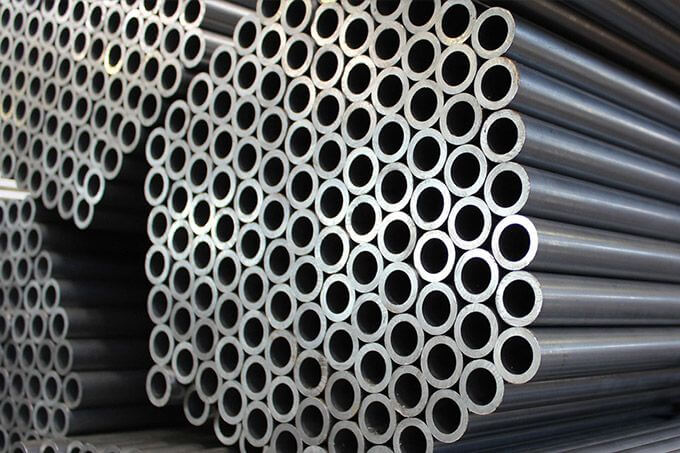
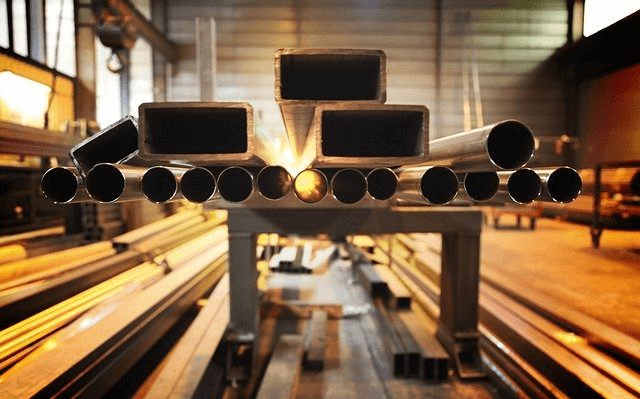
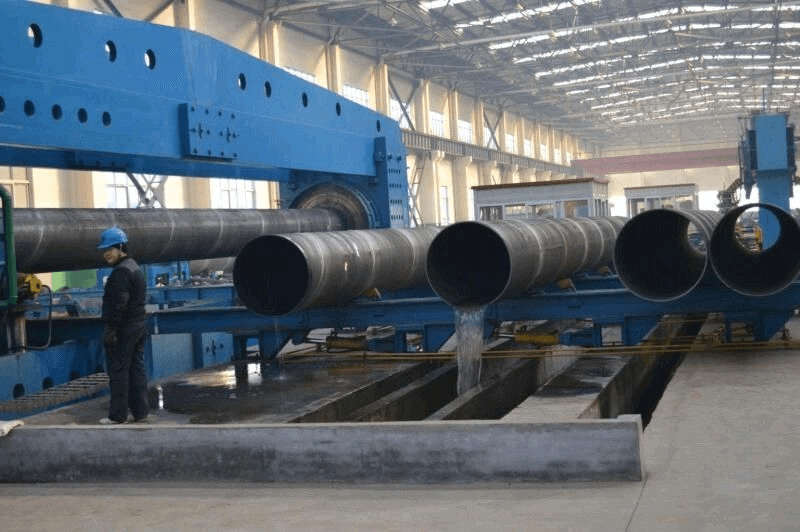
High precision cold rolled seamless steel pipes are widely recognized for their stringent tolerances, exceptional surface finishes, and robust mechanical properties. Fabricated through processes such as cold rolling and cold drawing, these pipes adhere to the demands of applications requiring precise performance and durability. Their capacity to resist deformation under high pressure renders them indispensable for industries involved in high pressure pipework and hydraulic equipment [source] [source].
Key Characteristics of High Precision Cold Rolled Seamless Steel Pipes
- High Dimensional Accuracy
Cold rolled seamless steel pipes maintain strict tolerances on both inner and outer diameters, rendering them suitable for applications requiring precision. This exactness minimizes the necessity for subsequent machining, enhancing operational efficiency. - Exceptional Surface Finish
The cold rolling process yields consistently smooth surfaces devoid of oxide layers, particularly beneficial when employed within hydraulic and pneumatic systems where optimal sealing and flow efficiency are imperative. The finish of a cold drawn seamless stainless steel tube further enhances flow efficiency and reduces internal resistance [source] [source]. - Strength and Durability
These pipes offer high tensile strength and can withstand substantial pressure, ensuring stability in high-stress settings. As such, they represent a preferred choice for cold rolled sections and various other industrial applications necessitating robust mechanical performance. - Corrosion Resistance
Fabricated from alloys possessing exceptional resistance to corrosion, these pipes are intended for use in challenging environments, rendering them well-suited for deployments within the oil, gas, and chemical processing sectors [source] [source].
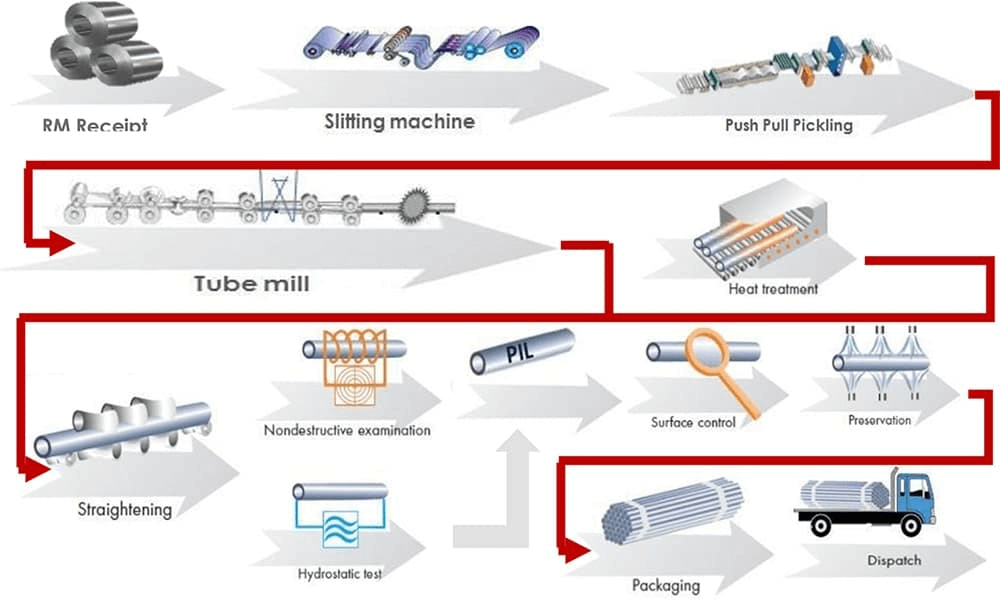
How Does the Production Process of Cold-Rolled Seamless Steel Pipes Affect Their Quality?
The cold rolling process enhances the mechanical properties of steel pipes, improving their strength, precision, and durability.
Cold rolling and cold drawing enhance the surface quality and structural integrity of steel pipes, making them ideal for high-precision applications.
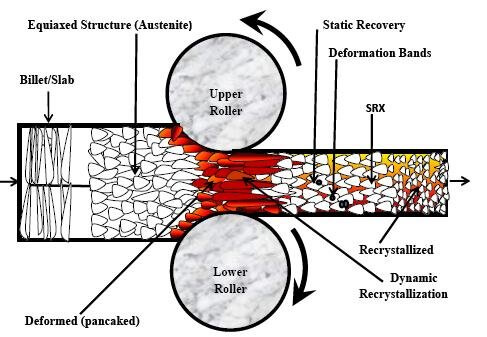
During production, the cold rolling process involves treating hot-rolled steel at room temperature to refine its properties. In some applications, cold drawing is also utilized to further tighten tolerances, enabling precise control over wall thickness and diameter. This production method ensures that the structure of the cold-rolled steel tube can withstand high-stress environments typical of high-pressure steel tube applications [source] [source].
Typical Applications of High Precision Cold Rolled Seamless Steel Pipes
Automotive Manufacturing
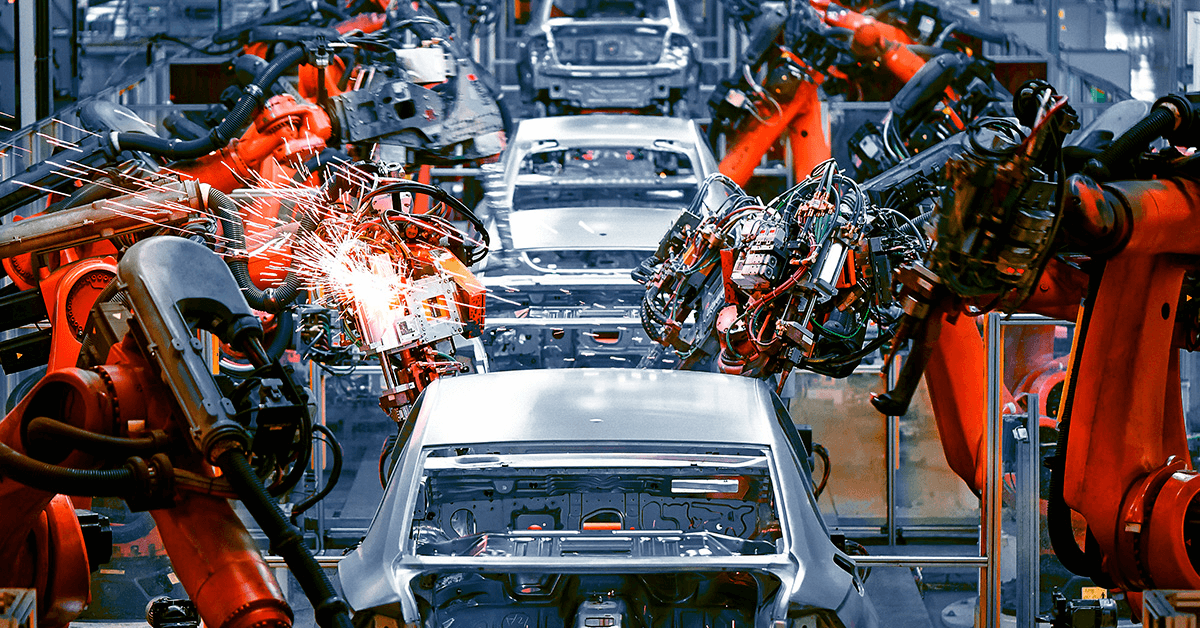
High precision cold rolled seamless steel pipes feature widespread application in automotive components such as fuel supply lines and hydraulic systems, leveraging their strength and reliability. These pipes’ high-pressure resistance renders them well-suited for fuel and exhaust systems, reducing the likelihood of failure under high stress [source] [source].
Hydraulic Equipment
In hydraulic systems, high precision cold rolled seamless steel pipes serve as conduits for delivering high-pressure fluids. The use of high pressure solvent weld glue in connections ensures a leak-proof system, while the pipes’ exactitude facilitates efficient and smooth operation [source] [source].
Oil and Gas Industry
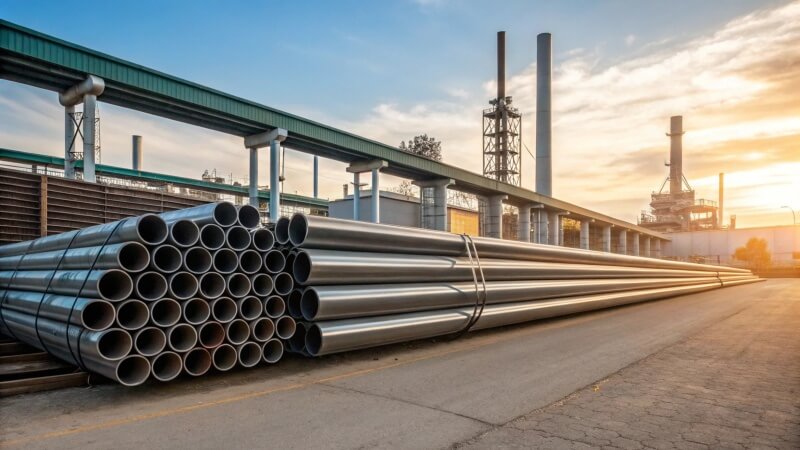
Cold rolled seamless pipes play an essential role in oil and gas transportation through high-pressure pipelines, courtesy of their corrosion resistance and strength, rendering them ideal for managing challenging conditions encountered in the field.

Aerospace Applications
Recognized for their lightweight construction and robustness, these pipes are fundamental to aerospace components requiring high performance under extreme conditions.
Mechanical Structures and Construction
These pipes provide structural reinforcement in mechanical elements and construction, contributing to stability and durability in projects necessitating precision and strength [source] [source].
How Does the Surface Finish of Cold-Rolled Seamless Steel Pipes Impact Their Performance?
A smooth surface finish enhances efficiency by reducing friction, averting wear, and extending the lifespan of steel pipes.
The high-quality surface finish of cold-rolled pipes is crucial in applications necessitating efficient fluid flow, notably within hydraulic and pneumatic systems.
The surface finish of cold drawn seamless stainless steel tubes minimizes friction, supporting optimal fluid transfer performance. This feature is particularly crucial in high-pressure applications, as both surface integrity and consistent flow directly influence system efficiency [source] [source].
Conclusion
High precision cold rolled seamless steel pipes are integral to modern industrial applications due to their precise dimensions, superior surface quality, strength, and corrosion resistance. As industries demand materials with exact specifications and reliable performance, these specialized steel pipes play a vital role in supporting advancements in automotive, aerospace, and hydraulic equipment. Their resilience and precision ensure that they meet stringent standards, making them a preferred choice across multiple sectors.