
Stainless steel tubes are widely used in many industries, but questions about their weldability[^1] often arise.
Precision welded stainless steel tubes[^2] are highly weldable, making them ideal for applications requiring strong and clean joints.
Learn more about stainless steel tubes[^3], their properties, and their uses in welding and other industries.
---
Can stainless steel tubing be welded?
Welding stainless steel tubing[^4] is essential for creating durable and reliable connections in various industries.
Yes, stainless steel tubing[^5] can be welded using TIG or MIG welding techniques for precise and robust results.
Factors for Successful Welding:
- Material Selection[^6]: Precision welded stainless steel tube grades like 304 and 316 are popular for their weldability.
- Welding Technique[^7]: TIG (Tungsten Inert Gas) welding provides excellent control for thin precision tubes.
- Surface Preparation[^8]: Clean and polished surfaces ensure strong welds.
Comparing Welding Techniques:
| Technique | Features[^9] | Best For |
|---|---|---|
| TIG[^10] | Precise, clean welds, minimal spatter | Thin and intricate tubing |
| MIG[^11] | Faster process, higher deposition | Larger, thicker tubes |
| Resistance[^12] | Simple, cost-effective | Bulk industrial welding |
By following proper practices, stainless steel tubing[^5] can be seamlessly joined to suit demanding applications.
Will welded stainless steel rust?
Welding stainless steel[^13] raises concerns about rust, especially in corrosive environments.
Welded stainless steel[^14] can resist rust if proper post-weld treatments like passivation and polishing are applied.
Understanding Rust Resistance:
- Chromium Layer[^15]: Stainless steel’s resistance comes from its chromium-rich oxide layer.
- Heat-Affected Zone (HAZ)[^16]: Welding can deplete chromium in the HAZ, increasing rust risk.
- Post-Weld Cleaning[^17]: Removing impurities and restoring the oxide layer ensures durability.
Tips to Prevent Rust:
| Action | Purpose[^18] |
|---|---|
| Use Proper Filler Metal | Matches base metal for corrosion resistance |
| Passivation | Restores protective chromium oxide layer |
| Surface Finishing | Prevents rust-trapping crevices |
Welded stainless steel[^14] performs well if treated properly, maintaining its corrosion-resistant properties.
---
What is the most weldable stainless steel?
Choosing the right stainless steel[^19] for welding is critical to achieving optimal performance.
304 and 316 stainless steels[^20] are the most weldable due to their excellent properties and adaptability.
Key Properties of Weldable Stainless Steels:
- 304 Stainless Steel[^21]: Versatile, cost-effective, and easy to weld.
- 316 Stainless Steel[^22]: Enhanced corrosion resistance for marine and industrial use.
- Ferritic Grades[^23]: Moderate weldability but lower corrosion resistance.
Comparing Stainless Steel Grades:
| Grade | Weldability[^24] | Corrosion Resistance | Applications |
|---|---|---|---|
| 304[^21] | High | Moderate | General use, pipes, tubes |
| 316[^22] | High | High | Marine, chemical industries |
| 430[^23] | Moderate | Low | Decorative purposes |
Selecting the most weldable stainless steel depends on the specific requirements of your project.
What is the difference between a stainless steel pipe and stainless steel tube?
Understanding the distinction between pipes and tubes[^25] helps in selecting the right product for your needs.
Stainless steel pipes[^26] are designed for fluid transport, while tubes[^27] are used for structural and precision applications.
Key Differences Between Pipes and Tubes:
| Attribute | Pipe[^28] | Tube[^29] |
|---|---|---|
| Purpose | Fluid transport | Structural, precision uses |
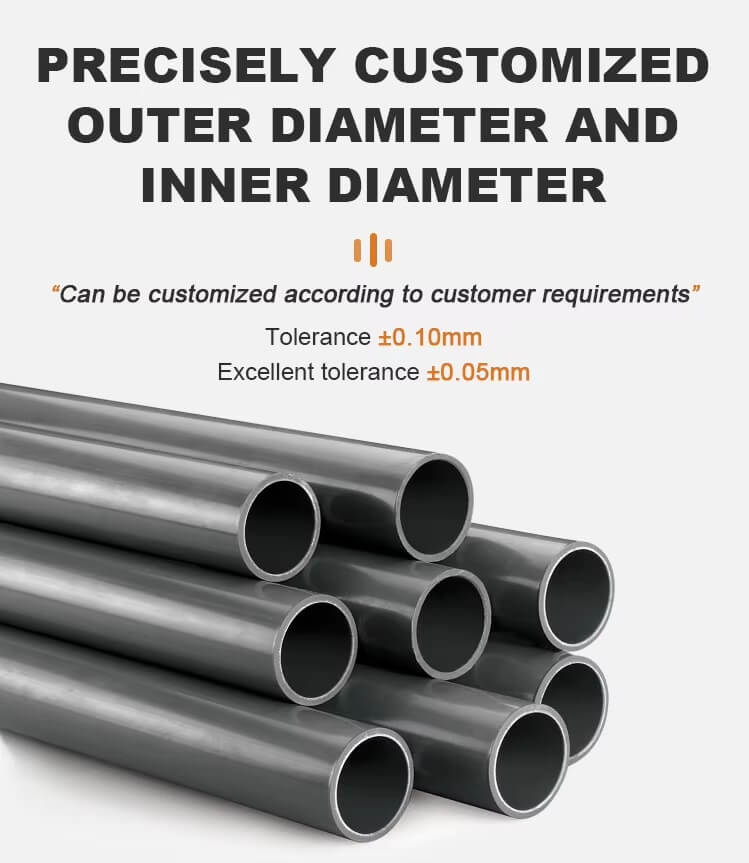
| Sizing | Nominal size | Exact outer diameter (OD) |
| Tolerance | Looser tolerance | Tight tolerance |
| Finish | Basic, less polished | Polished, clean finishes |
Applications of Each:
- [Pipes](https://en.wikipedia.org/wiki/Pipe_(fluid_conveyance)[^26]: Plumbing, oil transport, and gas pipelines.
- Tubes[^27]: Medical instruments, architectural structures, and precision machinery.
Precision welded stainless steel tubes[^2] provide superior accuracy and aesthetics for high-demand applications.
---
Conclusion
To summarize:
- Stainless steel tubes[^5] can be welded using TIG or MIG techniques.
- Post-weld treatments[^17] prevent rust and extend durability.
- Grades like 304 and 316[^20] are the most weldable for various industries.
- Tubes differ from pipes[^25] in sizing, applications, and tolerances.
- Precision welded tubes[^2] are ideal for industries requiring fine tolerances and clean finishes.
Understanding these aspects ensures better choices for welding and stainless steel tube applications[^30].