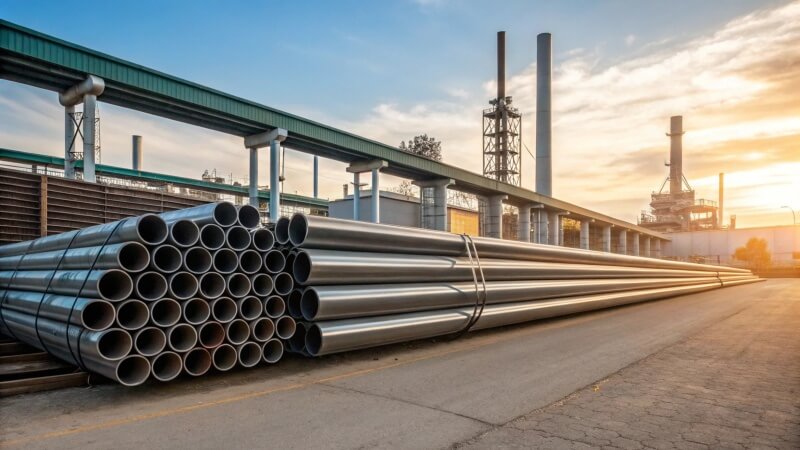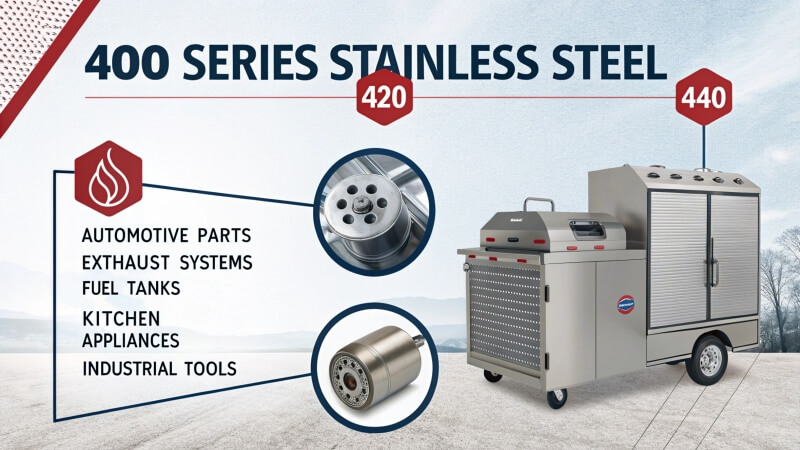
Precision welded steel pipes are crucial within industries requiring high strength and precision, such as construction and automotive. They afford consistent quality and structural integrity, ideally suited for demanding applications.
Precision welded steel pipes are known for their high-quality, precisely manufactured steel with exceptional strength, durability, and exacting dimensions. Industries—ranging from construction and automotive to oil and gas—widespready utilize these pipes to ensure structural reliability and longevity. Learn more about steel pipe applications | Understanding precision welded steel pipes
From construction to automotive applications, precision welded steel pipes are a go-to choice for many industries. Let’s delve deeper into why they are held in such high regard.
Key Features of Precision Welded Steel Pipe
Precision welded steel pipes possess outstanding dimensional accuracy and durability. They are manufactured using advanced processes to meet strict quality standards, ensuring consistent and reliable performance within critical applications.
Key Features:
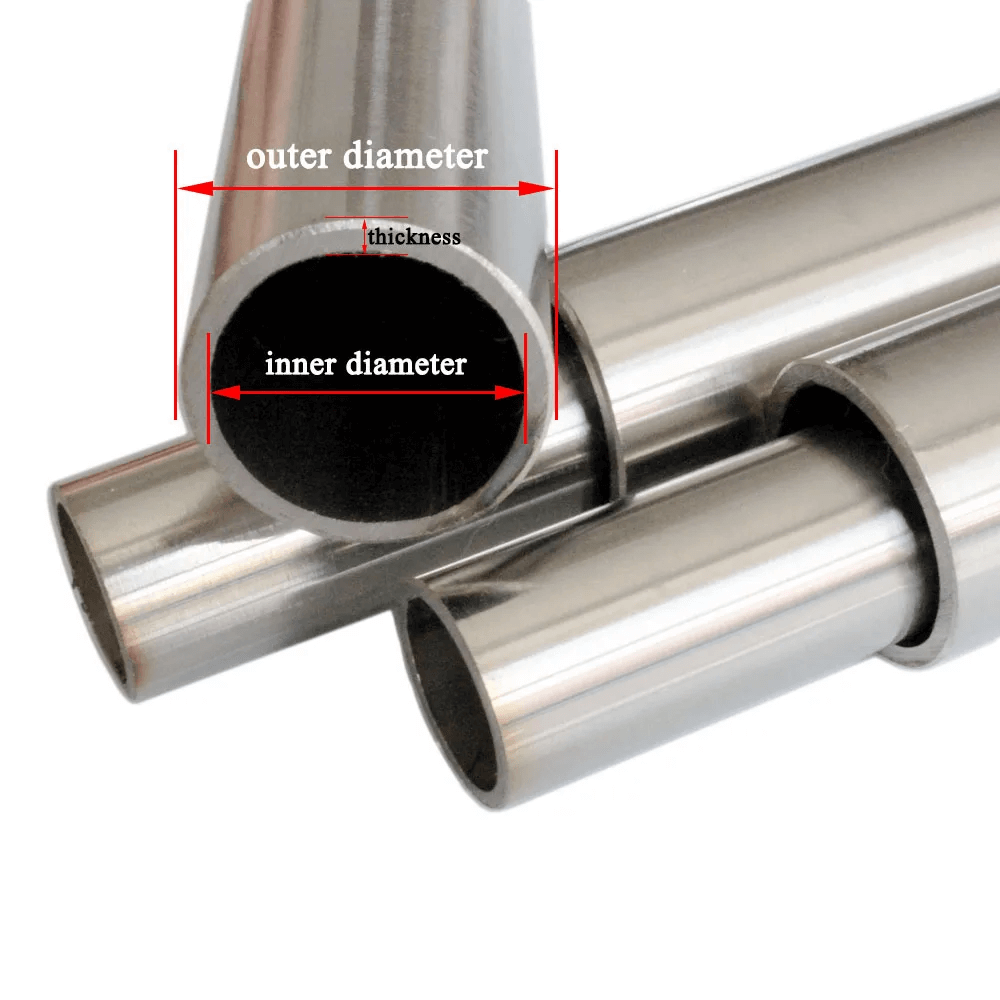
- Dimensional Accuracy: These pipes maintain stringent tolerances, catering to applications that require precise sizing. They are available in various sizes to meet diverse requirements as outlined in the [precision welded steel pipe catalog PDF]().
- Strength and Durability: Precision welded pipes are engineered for exceptional strength to support heavy loads and endure demanding conditions, such as those seen in Mannesmann Precision Tubes.
Explore pipe size options | [Steel pipe catalogs]
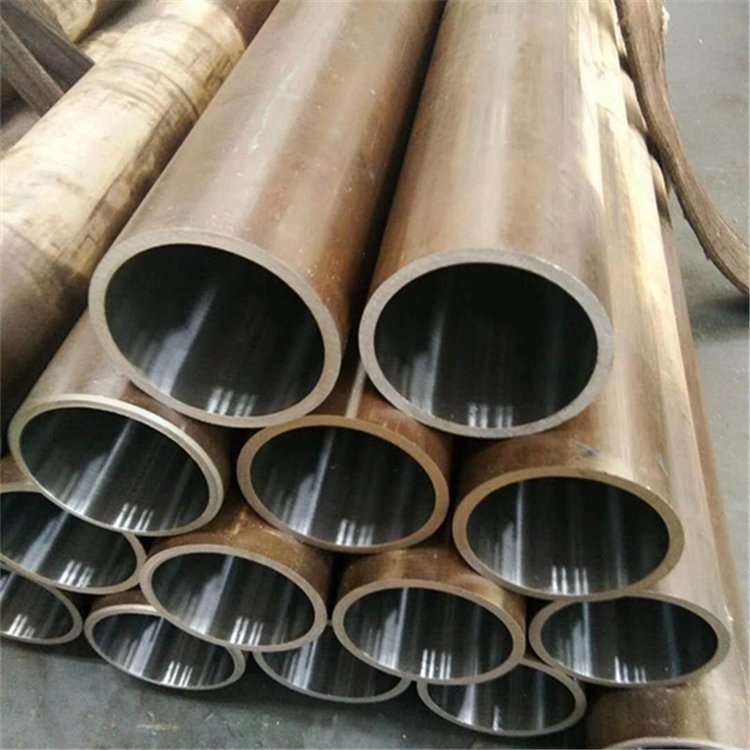
The Importance of Precision Welded Steel Pipe in Construction
Precision welded steel pipes serve as foundational components in construction, reinforcing the structural integrity of buildings and infrastructure. Their uniform dimensions and high strength make them a preferred selection.
- Structural Support: Precision welded steel pipes available in the Thai market offer consistent thickness and high load-bearing capabilities to establish stable construction frameworks.
- Cost Efficiency: Although the pricing of precision-welded steel pipes varies, their durability typically minimizes replacement expenses, contributing to project cost-effectiveness.
Benefits of using welded pipes in construction | Understanding the role of steel pipes in infrastructure
What Industries Benefit the Most from Using Precision Welded Steel Pipes?
Various sectors harness the precise construction and durability of precision welded steel pipes for their specific needs:
- Automotive Industry: These pipes contribute lightweight strength, minimizing vehicle weight and enhancing fuel efficiency.
- Oil & Gas: The robustness and resistance of precision welded pipes make them well-suited for handling high pressures in oil and gas applications.
- Manufacturing: Vital in machinery for components demanding exact fitting and reliable strength.
Automotive applications | Oil and gas solutions
How Does the Manufacturing Process of Precision Welded Steel Pipes Differ from Standard Steel Pipes?
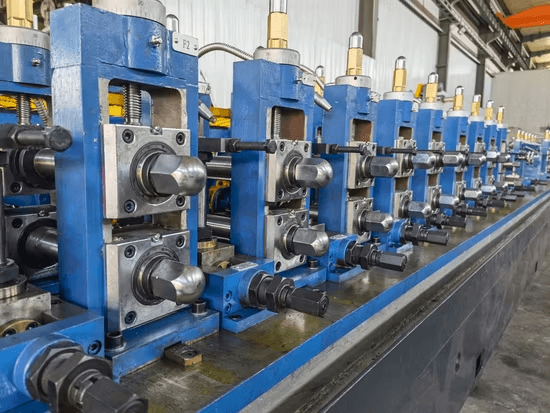
Precision welded steel pipes undergo strict quality measures utilizing advanced machinery, reducing dimensional variation and enhancing overall integrity.
- Enhanced Processes: Precision pipes receive specific treatments, such as hot and cold forming, to ensure uniformity and minimize surface defects found within precision welded steel pipe catalogs.
- Dimensional Precision: Differing from standard pipes, precision welded pipes provide consistent diameter and thickness, critical for precision manufacturing.
Comparison to standard steel pipes | Manufacturing overview
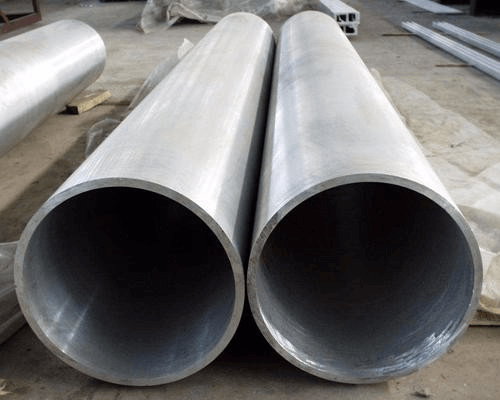
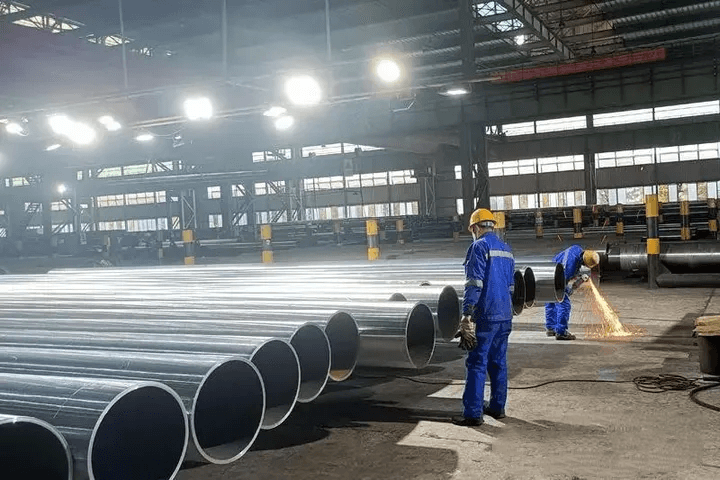
What Are the Key Advantages of Using Precision Welded Steel Pipes in Automotive Manufacturing?
Precision welded steel pipes are essential in the automotive sector, contributing to the development of lighter, more efficient designs.
- Lightweight Strength: These pipes provide structural support without adding excess weight, particularly beneficial for achieving the fuel efficiency goals of electric and fuel-efficient vehicles.
- Cost Efficiency: While initial precision welded steel pipe prices may be higher, the reduced weight and fuel-efficient designs lead to long-term cost savings.
Automotive applications | Role in fuel-efficient vehicles
How Do Precision Welded Steel Pipes Contribute to Environmental Sustainability?
The use of precision welded steel pipes supports sustainable practices due to their durability and the minimal waste generation experienced during production.
- Resource Conservation: Precise manufacturing reduces waste, aligning with eco-friendly and sustainable production methods.
- Longer Lifespan: The durability of precision welded steel pipes reduces the need for frequent replacement, minimizing environmental impact across their lifecycle.
Sustainable steel practices | Environmental benefits
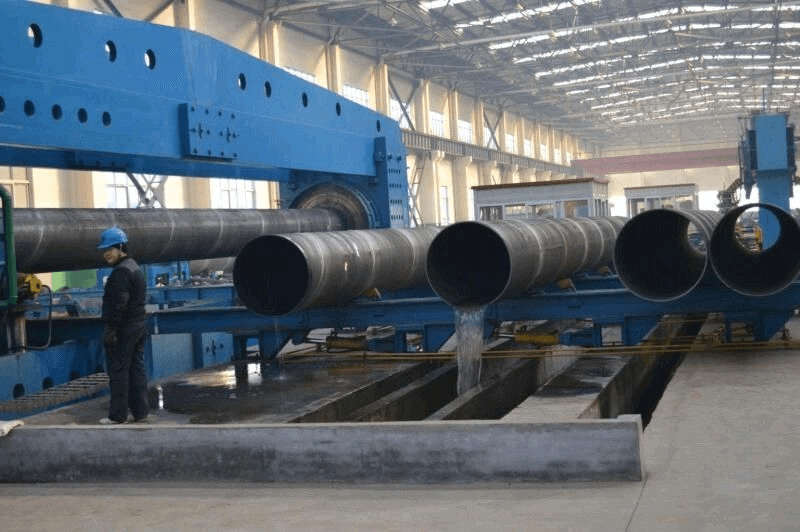
What Treatments Enhance Corrosion Resistance for Precision Welded Steel Pipes?
Various treatments elevate the corrosion resistance of precision welded steel pipes, including galvanization and specialized coatings.
- Galvanization: The application of zinc coating provides robust protection against corrosion, particularly advantageous in harsh environments such as coastal regions.
- Specialized Coatings: In specific environments, precision welded steel pipes may require additional protection, such as epoxy coatings used for chemical processing and marine applications.
Corrosion-resistant treatments | Galvanized steel advantages
Conclusion
Precision welded steel pipes are invaluable across diverse industries, offering reliable, high-strength support while minimizing waste. Their diverse applications and eco-conscious attributes make them an ideal choice for projects emphasizing both quality and sustainability. Discover additional steel pipe solutions | Sustainable steel pipes