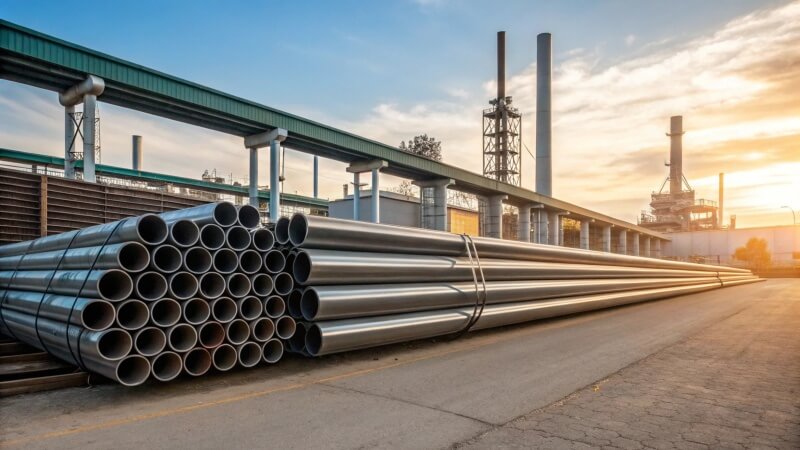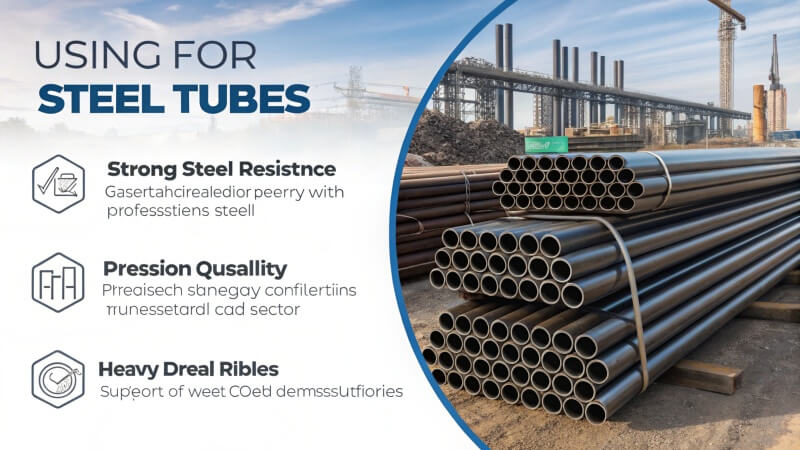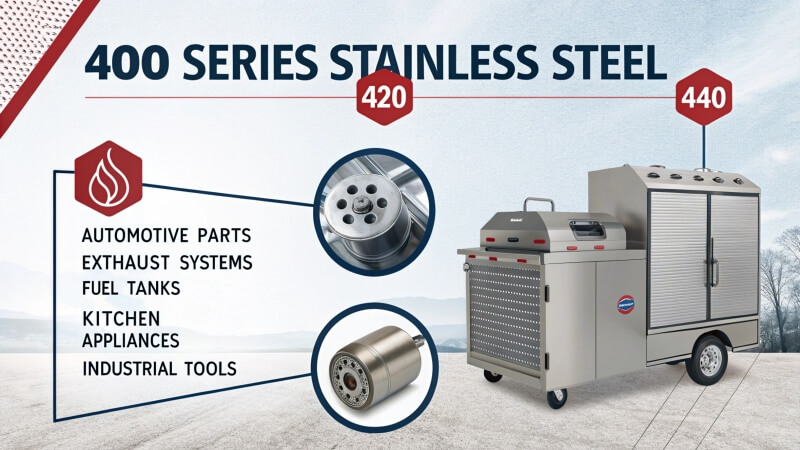

In high-stress industries, reliable, high-strength pipes are essential. Conventional welded pipes can fail under pressure, making seamless pipes an ideal solution. Seamless pipes offer enhanced durability, reliability, and longevity, making them suitable for demanding applications in fields like oil and gas, construction, and manufacturing.
Learn more about seamless pipe applications
Benefits of seamless steel pipes
The seamless pipe manufacturing process involves heating, piercing, and rolling solid steel ingots into durable, high-performance pipes without welded seams. This makes them ideal for high-pressure applications across various industries.
Seamless pipe manufacturing explained
Applications of seamless pipes in industry
Curious about the detailed manufacturing process behind seamless pipes? Here is a step-by-step look at how seamless pipes are produced from raw steel.
More on seamless steel manufacturing
Why choose seamless pipes?

Manufacturing Process of Seamless Pipes
1. Raw Material Preparation
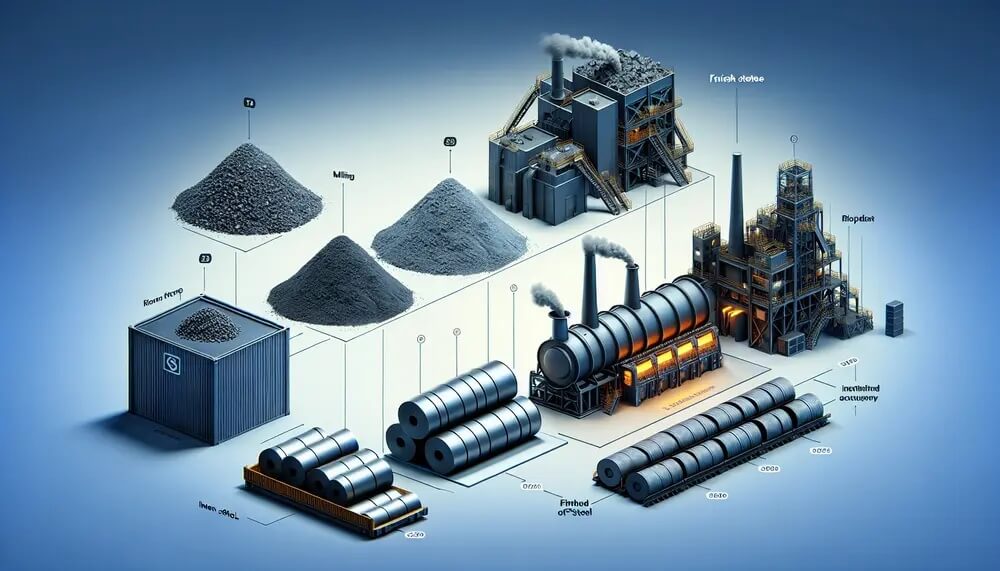
The process begins with a solid steel ingot made from carbon steel, alloy steel, or stainless steel, depending on the intended characteristics of the final product. These materials provide the strength and corrosion resistance needed for seamless pipe applications, from construction to high-stress transportation.
Types of steel for seamless pipes
Material selection for steel pipes
2. Heating
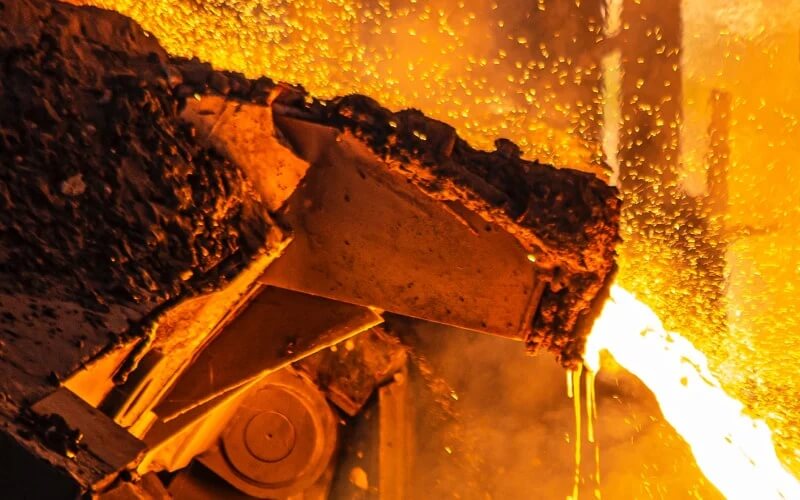
The steel ingot is heated to around 2,370°F (1,300°C) in a furnace. This high temperature makes the steel malleable, enabling further processing in the subsequent steps.
How heating affects steel
Importance of temperature in steel shaping

3. Piercing
After heating, the ingot undergoes piercing using a rotary piercing mill or a vertical piercing press. This process creates a hollow shell, forming the base of the seamless pipe. The absence of welds in seamless pipes eliminates weak points, making them stronger and more reliable under pressure.
Understanding piercing in pipe manufacturing
Rotary piercing for seamless pipes

4. Elongation and Rolling
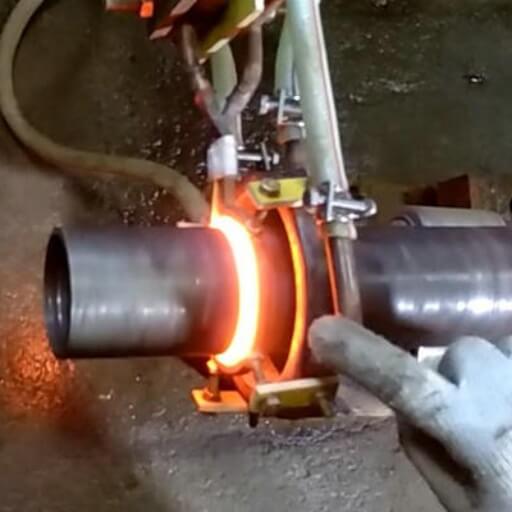
For elongation and rolling, two primary methods are used depending on the pipe diameter:
- Mandrel Mill Process: Used for smaller pipes (1 to 6 inches in diameter), a mandrel supports the hollow shell as it passes through a series of rollers, reducing wall thickness and elongating the pipe.
- Mannesmann Plug Mill Process: For larger pipes (typically 6 to 16 inches in diameter), the Mannesmann process uses rollers that apply pressure from different angles, shaping and elongating the pipe to meet size specifications.
These processes ensure the pipe's uniform thickness and smooth surface, essential for high-stress environments.
Mandrel Mill Process explained
Efficient pipe manufacturing processes

5. Stretch-Reducing Mill
After initial rolling, the pipe may undergo further processing in a stretch-reducing mill. This step refines the pipe's diameter and wall thickness to precise specifications, allowing for high accuracy in the final product dimensions.
Stretch-reducing mill overview
Precision sizing in seamless pipes
6. Heat Treatment
The pipe is then subjected to heat treatment, which may include normalizing or quenching to enhance its mechanical properties. These treatments increase the pipe's strength, hardness, and durability, making it suitable for high-pressure and high-temperature applications.
Heat treatment processes in pipe manufacturing
Importance of heat treatment for durability

7. Finishing Processes
The finishing stage involves straightening and cutting the pipe to the required lengths. Additionally, surface treatments such as pickling (to remove surface scale) or coating may be applied depending on application needs. These treatments improve the pipe’s appearance and provide extra protection in corrosive environments.
Pipe finishing techniques
Surface treatments for steel pipes
8. Inspection and Testing
Quality control is a vital step in the seamless pipe manufacturing process. Each pipe undergoes rigorous non-destructive testing methods, including hydrostatic tests, ultrasonic inspections, and dimensional checks. These tests ensure that the pipe is free from defects and meets all specifications for strength, pressure, and durability.
Pipe inspection processes
Quality control in seamless pipe manufacturing
Conclusion
The seamless pipe manufacturing process combines advanced techniques like heating, piercing, rolling, and heat treatment to produce strong, durable pipes ideal for high-stress environments. Without seams, these pipes provide greater strength and pressure resistance compared to welded alternatives, making them the preferred choice in industries such as oil and gas, construction, and structural applications.