
Automotive tubing dimensions are integral to vehicle construction and performance. The selection of improper sizes can adversely affect compatibility and operational efficiency of various components. In-depth knowledge of industry standards for precision and sizing specifications ensures the appropriateness of dimensions, thereby contributing to safety and performance optimization.
Automotive applications demand precise tubing dimensions to ensure optimal performance. Choosing the correct precision automotive tube sizes is essential to guarantee efficiency and safety across a variety of vehicle systems.
Understanding Precision Tubing Standards | Automotive Tubing Guide
Common standard dimensions for automotive tubing implementations include 4.0 mm to 125.0 mm for the outer diameter range and 0.5 mm to 12.5 mm for the wall thickness range. These specifications are prevalent in critical vehicle systems such as drivetrains, fuel injection, and exhaust configurations.
[Automotive Tubing Size Specifications] | [Dimensions for Precision Tubing]
A comprehensive understanding of standard dimensions and applications is integral to making the right tubing selections for individual automotive components, enhancing durability and efficiency.
[Choosing Tubing for Automotive Applications]| Automotive Tube Fitment Guide
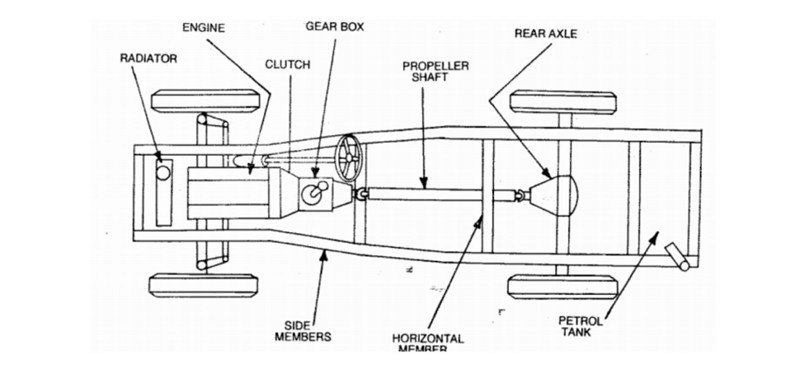
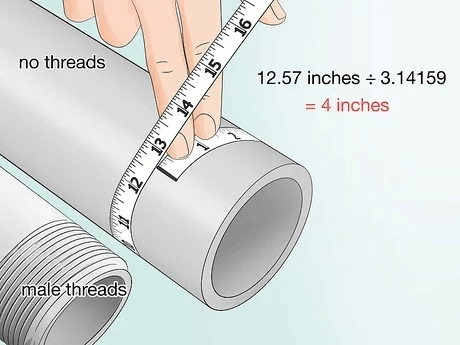
How Do You Read Tubing Dimensions?
When interpreting tubing dimensions, it is essential to focus on outer diameter (OD), inner diameter (ID), and wall thickness (WT). In high tolerance automotive tubing applications, precision regarding each dimension is vital to ensure compatibility and strength. For instance, drivetrain and suspension systems demand high-strength tubes capable of withstanding diverse loads and stress.
Measuring Tubing Dimensions | Significance of Tubing Wall Thickness
How Are Steel Tubing Sizes Classified?
Steel tubing conforms to international standards such as API and ASTM, which delineate specific measurements and tolerances. For example, API 5CT specifies casing and tubing dimensions, while ASTM A519 regulates seamless carbon and alloy steel mechanical tubing. These classifications encompass sizes ranging from 6.35 mm to 120.65 mm, depending on the intended application, and ensure the requisite strength and precision for automotive and hydraulic systems.
[API Tubing Standards] | [ASTM Specifications for Steel Tubing]

What Are the Most Common Dimensions for Automotive Exhaust Tubing?
In general, exhaust tubing for most passenger cars and light trucks varies in diameter from 1.5 to 3 inches. However, performance vehicles may require up to 4 inches to facilitate enhanced airflow. Precise exhaust tubing dimensions are crucial for optimizing engine performance and ensuring proper exhaust flow.
[Exhaust Tubing Sizes for Vehicles] | [Performance Exhaust Systems]
Are There Specific Standards for Tubing Dimensions in the Automotive Industry?
Yes, industry standards such as ISO and SAE are in place to ensure that tubing dimensions meet stringent automotive requirements. These standards guarantee consistent quality for precision automotive metal tube applications in crucial areas such as fuel systems, exhaust systems, and structural components, thus enhancing safety and overall performance.
[ISO Standards for Automotive Tubes] | [SAE Standards in Steel Tubing]
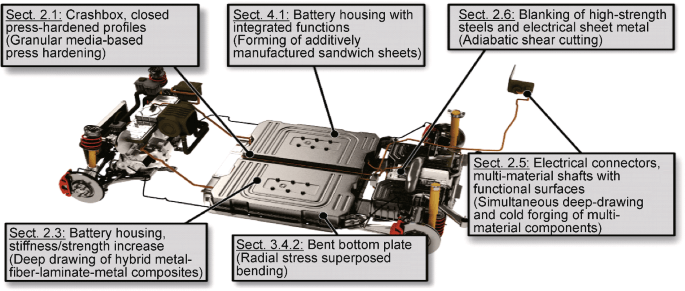
How Do Tubing Dimensions Affect the Performance of Automotive Systems?
The dimensions of tubing play a direct role in the performance of automotive systems, particularly within fluid handling and exhaust operations. Proper dimensions facilitate the maintenance of pressure and airflow, thereby enhancing durability and energy efficiency. In hydraulic systems, the precision of hydraulic shock absorber tubes is crucial for controlling force transmission, influencing vehicle stability and overall safety.
[Performance Impact of Tubing Dimensions] | [Tubing Dimensions and Vehicle Efficiency]
Conclusion
Accurate automotive tubing dimensions are essential for component performance and safety. By adhering to industry standards and choosing the right sizes, manufacturers can ensure that each tube fits its intended application and maintains system efficiency.
| Standard | Outer Diameter (OD) | Wall Thickness (WT) | Application |
|---|---|---|---|
| EN 10305-1 | 4.0 – 120.0 mm | 0.5 – 13.0 mm | General automotive components |
| ASTM A519 | 6.35 – 120.65 mm | 0.51 – 9.53 mm | Mechanical tubing and fuel lines |
| GOST 12132 | 4.0 – 120.0 mm | 0.5 – 10.0 mm | Various automotive applications |
| SAE J525 | 4.0 – 50.0 mm | 0.7 – 6.0 mm | Hydraulic brake lines |
| DIN 2391 | 4.0 – 100.0 mm | 0.5 – 12.0 mm | Precision tubes for fuel systems |
| ISO 8535-1 | 6.0 – 100.0 mm | 0.5 – 8.0 mm | Hydraulic and pneumatic systems |