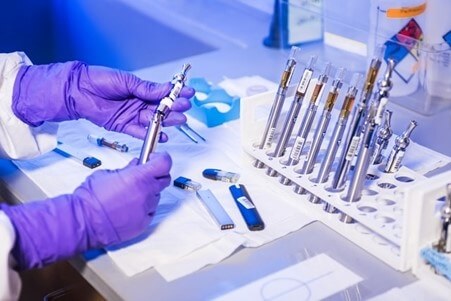
Precision medical tubing is a critical component in various medical devices and applications, designed to meet stringent quality and performance standards. From fluid delivery to surgical interventions, this tubing is essential for ensuring safety and reliability in healthcare.
Learn more about precision medical tubing
Importance of tubing in healthcare devices
Precision medical tubing is manufactured using advanced techniques to achieve high dimensional accuracy, durability, and biocompatibility. This tubing is crucial for applications like intravenous lines, catheters, and microfluidic devices, where safety and precision are paramount.
Overview of medical tubing applications
Applications for precision tubing in healthcare
Curious about the specific aspects that make precision medical tubing indispensable in healthcare? Let’s explore its manufacturing processes, material properties, and key applications.
Explore the details of medical tubing
Why precision tubing matters in healthcare
Overview of Precision Medical Tubing
Manufacturing Processes
Extrusion:
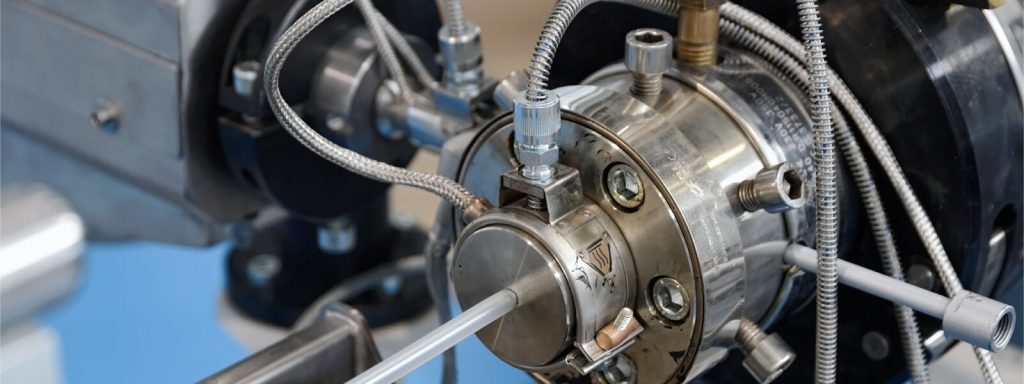
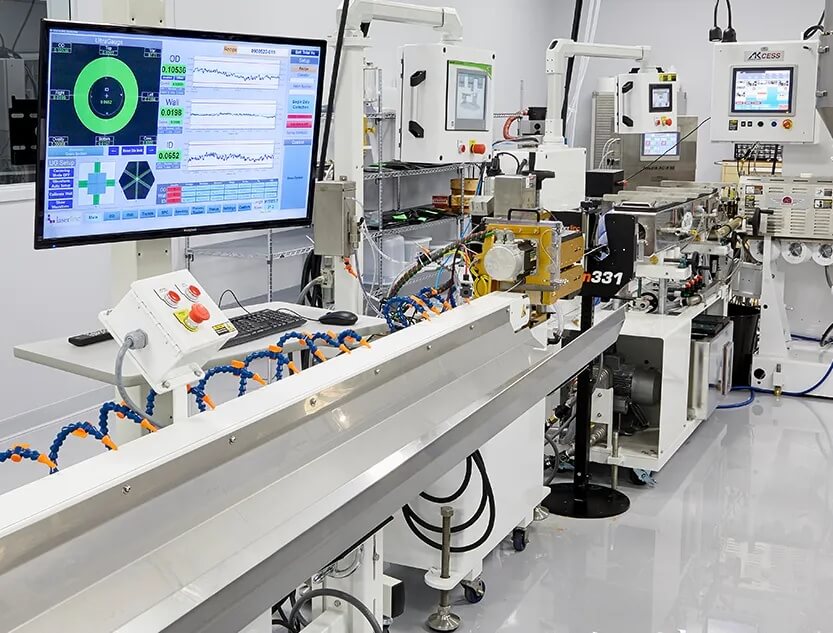
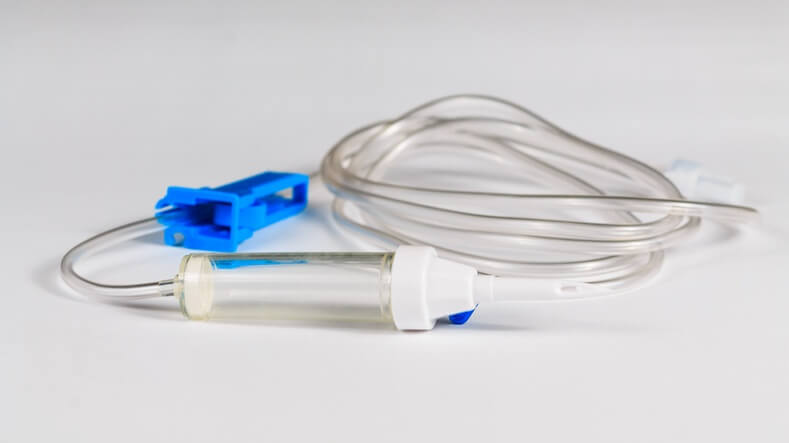
The primary method for producing medical tubing, extrusion involves feeding raw materials into an extruder, where they are heated and pushed through a die to form the desired shape. This process allows for precise control over dimensions and wall thickness, essential for applications like intravenous lines and suction tubing sets. Common materials used in extrusion include PVC, polyurethane, thermoplastic elastomers, and other engineering plastics that provide flexibility and biocompatibility.
Understanding medical tubing extrusion
Benefits of extrusion in tubing production
Coil Reinforcement:
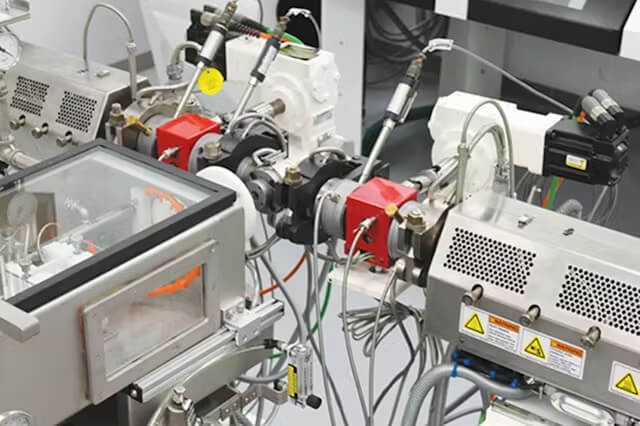
For applications requiring enhanced flexibility and strength, such as catheters, coil reinforcement may be applied. This process involves winding coils around the tubing, providing structural support without compromising flexibility. Automated machinery ensures the coils are precision-wound, maintaining consistent quality and durability in tubing.
Benefits of coil-reinforced tubing
How coil winding improves tubing quality
Heat Treatment:
Heat treatments are sometimes used to improve the tubing's mechanical properties or introduce shape memory characteristics, particularly in materials like Nitinol. This process allows the tubing to retain specific shapes, providing flexibility and support for applications that require tubing to fit precisely within medical devices.
Heat treatment in medical tubing
Shape memory effects in medical devices
Micropolishing:
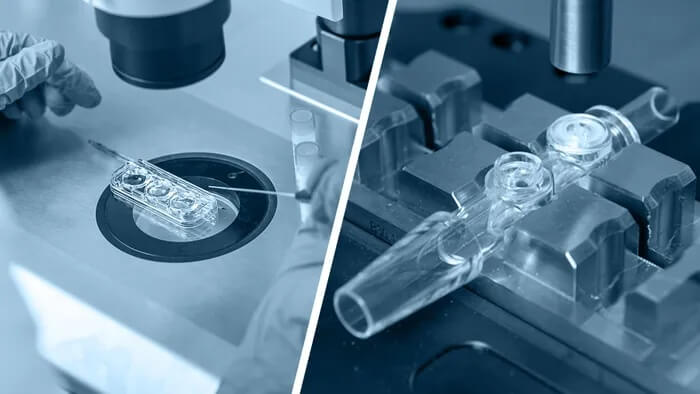
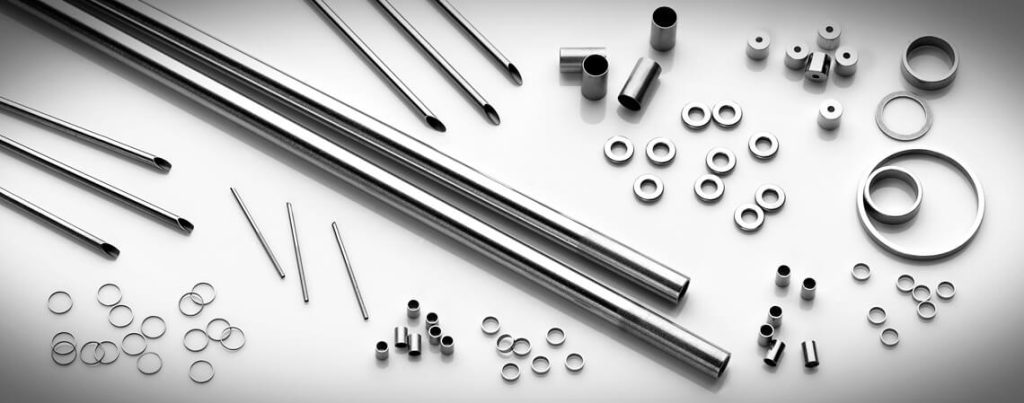
In applications such as microfluidics and drug delivery systems, micropolishing is used to achieve extremely smooth inner surfaces. Micropolished stainless steel tubing can have surface roughness as low as 0.02μm (Ra), which minimizes friction and ensures consistent fluid flow. This advanced polishing is particularly beneficial in Precision Medical products catalog items requiring high-performance flow.
Micropolishing in medical tubing
Reducing friction in medical tubing
Material Properties
Polyurethane Tubing:
Known for its toughness and flexibility, polyurethane is widely used in precision medical tubing, offering both durability and patient comfort. It softens at body temperature, making it suitable for catheters and other applications where medical hoses for legs may be used.
Polyurethane’s benefits in medical tubing
Comfort-focused materials in medical tubing
PVC Tubing:
PVC is commonly chosen for its flexibility, durability, and abrasion resistance, along with its lack of harmful substances like BPA and phthalates. These properties make it suitable for various medical devices, such as suction tubing medical products used in hospitals.
Applications of PVC in medical tubing
Benefits of BPA-free medical tubing
Fluoropolymers:
Fluoropolymers, known for their high chemical resistance and purity, are used in specialized applications where contamination must be minimized, such as in sensitive diagnostic tools or chemical transport lines in microfluidic devices.
High-purity tubing for healthcare
Fluoropolymers in medical devices

Quality Control
Stringent Standards:
Precision medical tubing is produced under strict regulatory standards to ensure safety and efficacy. Quality control measures include continuous monitoring during extrusion, biocompatibility testing, and adherence to ISO certifications. This ensures that every piece of tubing meets high standards required in medical environments.
Quality standards in medical tubing
ISO certification in medical tubing
Dimensional Accuracy:
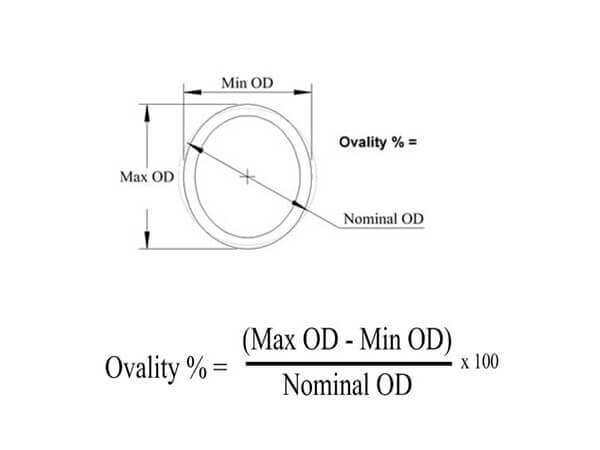
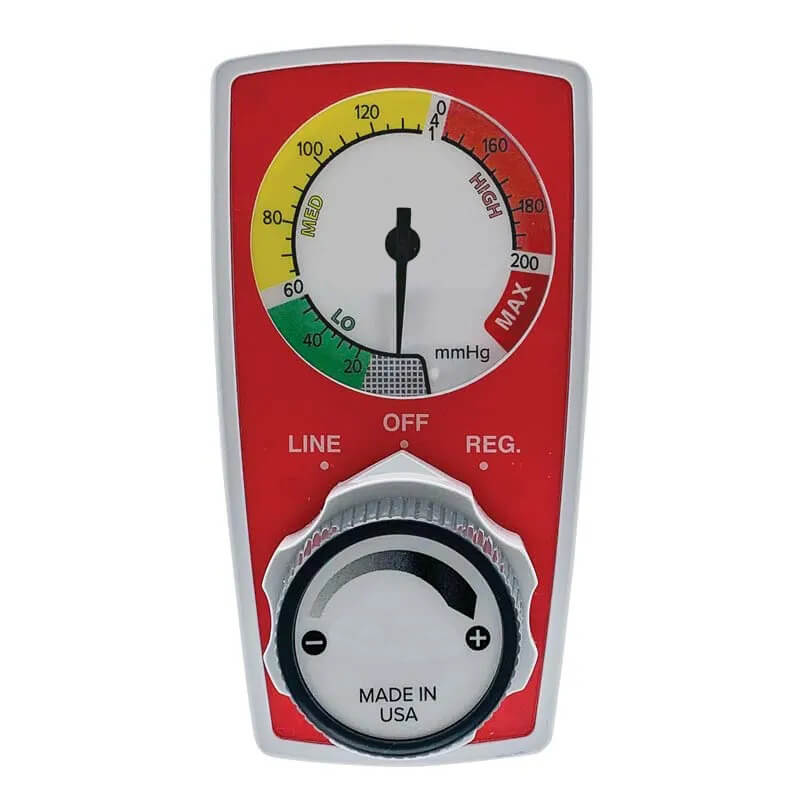
Precision is paramount in medical tubing, with tolerances as tight as ±5 µm in certain applications. Advanced manufacturing techniques, including laser cutting and robotic assembly, help achieve these exacting tolerances, which are essential for delicate devices like suction tubing sizes used in surgical settings.
Importance of dimensional accuracy
Laser cutting in medical tubing production
Applications
Precision medical tubing is integral to a variety of healthcare devices, including:
- Intravenous Lines: Used for fluid and medication delivery with strict control over flow rates and material safety.
- Catheters: Essential in cardiovascular procedures and diagnostics, requiring flexible, biocompatible materials.
- Microfluidic Devices: Applied in drug delivery systems and diagnostic tools, where precise fluid control is vital.
- Endoscopic Tools: Used for fluid transfer in minimally invasive surgeries, relying on tubing with high durability and flexibility.
Applications of medical tubing in healthcare
Precision tubing in endoscopic tools
Conclusion
Precision medical tubing plays a vital role in modern healthcare, providing reliable conduits for fluids, medications, and data transfer in various medical devices. Advanced manufacturing techniques, high-quality materials, and rigorous quality control ensure that precision tubing meets the stringent demands of the medical industry. As technology advances, the need for even more specialized and precise tubing continues to grow, driving innovation in both manufacturing and material science.