
What Are the Key Features of 316 Stainless Steel Strips?
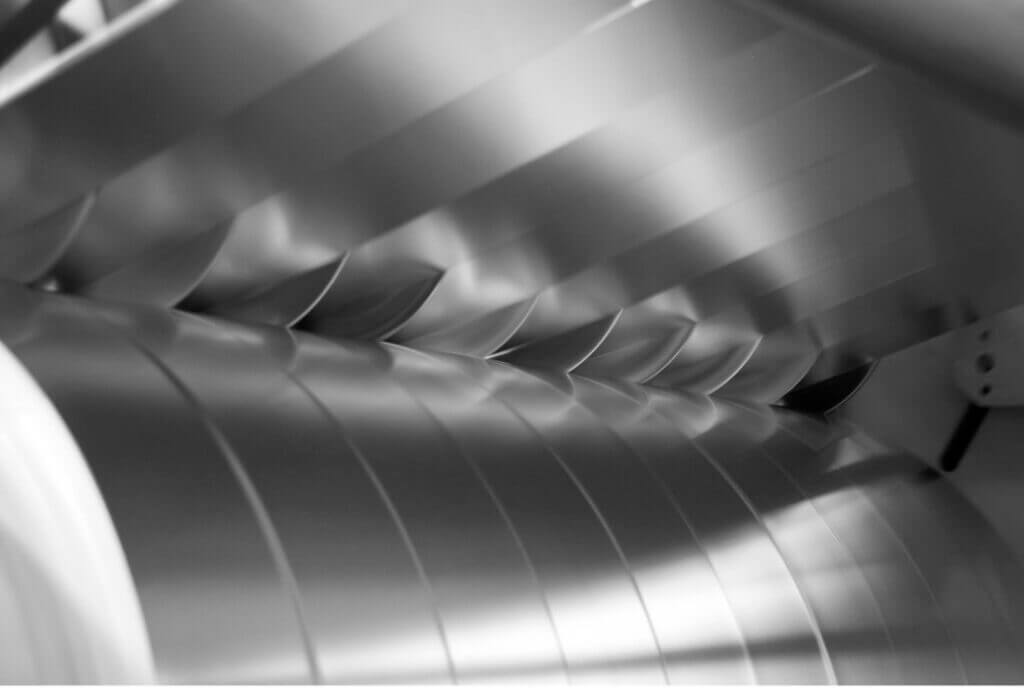
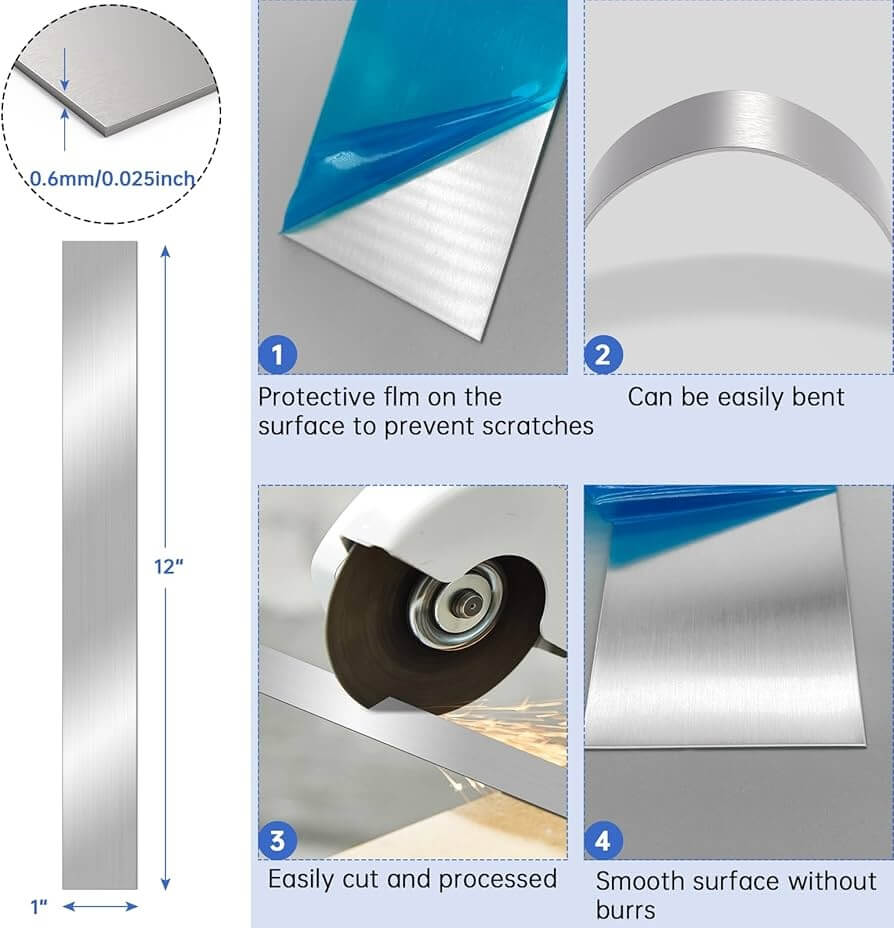
316 stainless steel strips are designed to offer exceptional durability and corrosion resistance, making them an excellent choice for marine and chemical applications. Available with high precision, these steel strips come in standard thicknesses such as 1mm and 2mm to meet specific industrial needs. In addition, self-adhesive stainless steel strips and flat bars are available for projects requiring specific installation methods and aesthetics.
The price of high precision 316 stainless steel strips reflects their advanced properties, offering a trade-off between quality and cost-effectiveness. When compared to standard stainless steel strips available at retailers including Screwfix and B\&Q, 316 stainless steel strips are considered the premium option for projects that demand longevity and resilience.
For more information, see the following posts:
[Corrosion Resistance of 316 Stainless Steel]
[Stainless Steel Applications and Properties]
Why Is 316 Stainless Steel Expensive?
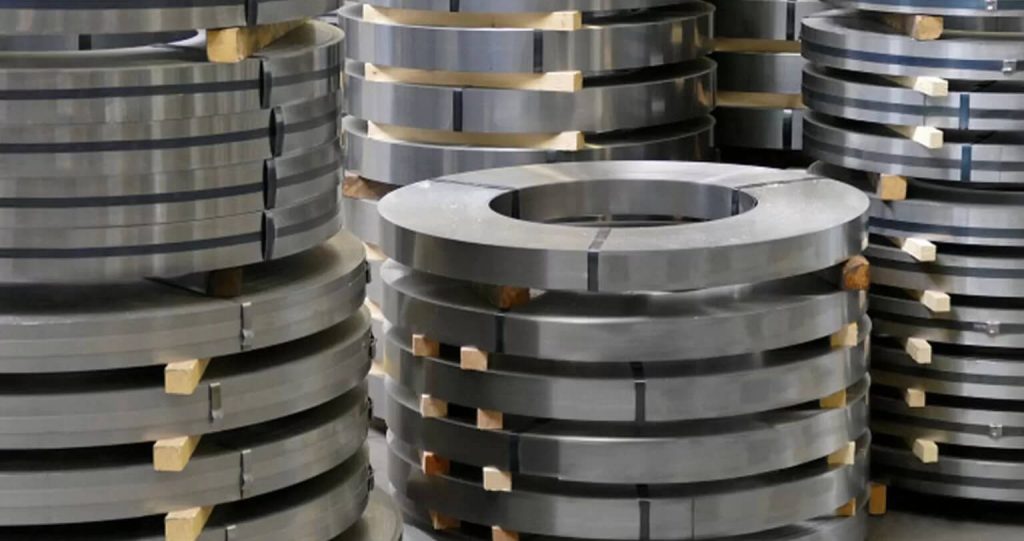
The cost of 316 stainless steel is higher compared to other grades primarily due to its unique composition, which involves increased levels of molybdenum. This element enhances the steel’s corrosion resistance and overall durability. This particular mix of materials ensures the steel strip can withstand challenging conditions without degrading, making it valuable to industries that require long-term performance. While stainless steel strip options available at stores such as Screwfix or B\&Q may have a lower initial price, they do not offer the advanced properties associated with 316 stainless steel. Despite the cost, high precision 316 stainless steel remains popular because it minimizes the need for replacement and upkeep over time, providing a solid return on investment for critical applications.
Related posts:
[Why the Investment in 316 Stainless Steel Is Worth Every Penny]
[Steel Grades Compared: What Is the Cost of 316 Stainless Steel?]
Which Is Better, 304 or 316 Stainless Steel?
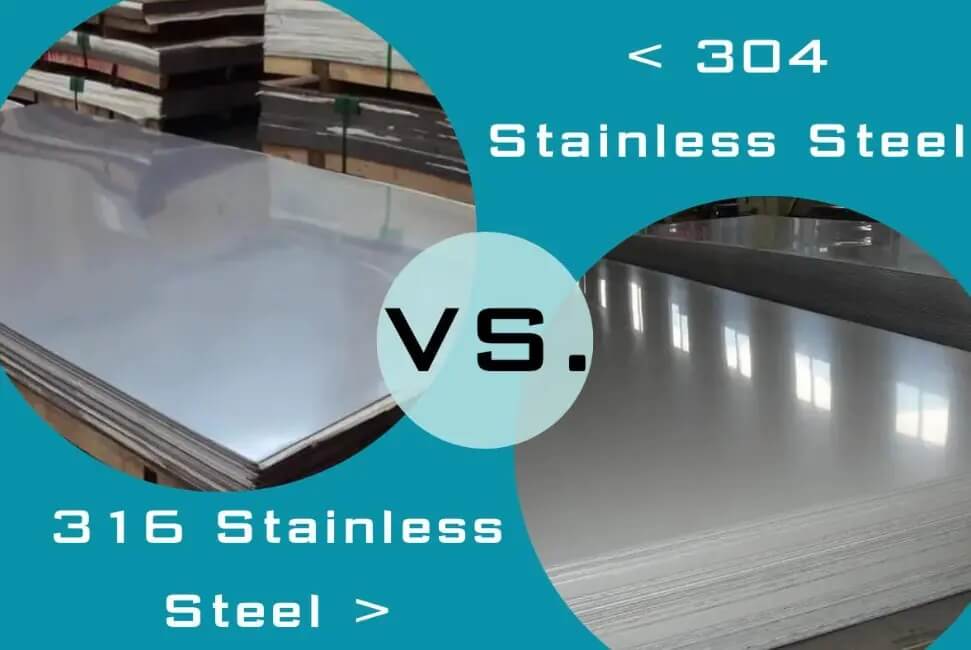
When comparing 304 and 316 stainless steel, the main difference lies in their corrosion resistance. While 304 stainless steel is excellent for indoor use and general construction, 316 stainless steel has superior corrosion resistance, making it ideal for use in harsh environments, including exposure to saltwater and acidic chemicals. For outdoor or industrial applications requiring specific thicknesses, such as stainless steel strips of 1mm or stainless steel flat bars of 2mm, 316 stainless steel is the preferred choice.
Therefore, while both grades have their specific uses, 316 stainless steel offers superior durability in demanding applications, justifying its higher pricing.
Learn more:
1.Choosing the Right Stainless Steel for Your Application
2.Differences Between 304 and 316 Stainless Steel
Which is Better, 316 or 904 Stainless Steel?
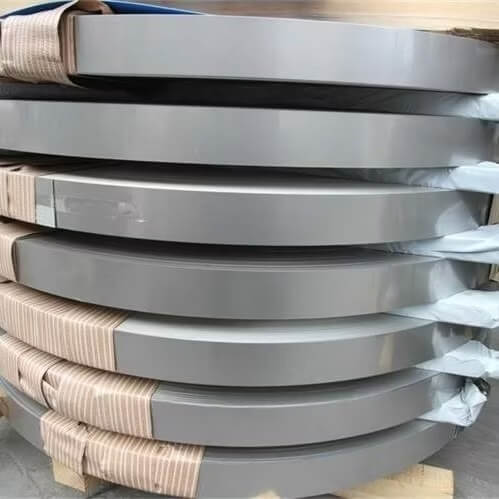
904 stainless steel exceeds 316 in environments characterized by extreme acidity and temperature, earning prominence for specialized industrial applications. However, for general corrosion resistance and cost-effectiveness, 316 stainless steel remains the most versatile choice. Whether in the form of a flat bar or strip, high-precision 316 stainless steel offers suitable resistance for a wide range of applications, including when customized to specific thicknesses.
For those weighing cost and performance considerations, 316 stainless steel typically strikes a practical balance unless the application necessitates the specialized properties of 904 stainless steel.
Read more:
Are There Different Grades of 316 Stainless Steel?
Yes, 316 stainless steel encompasses various sub-grades, including 316L and 316Ti, each offering specific advantages. For instance, 316L features reduced carbon content, which enhances its weldability, while 316Ti benefits from the incorporation of titanium for increased high-temperature stability. These sub-grades can be selected according to the specific demands of projects requiring diverse stainless steel strip thicknesses.
Understanding these distinctions enables purchasers to select the precise 316 stainless steel strip that best suits the unique requirements of their project.
Further reading:
What are the Main Applications for 316 Stainless Steel Strip?
316 stainless steel strips are widely used in industries like construction, automotive, and aerospace due to their strength, flexibility, and corrosion resistance. Whether used as self-adhesive stainless steel strips for custom fixtures or in marine environments, this material provides the durability needed for challenging applications.
For instance, 316 stainless steel strip 2mm is commonly employed in architectural projects, while thinner variants support delicate precision work in electronics.
Explore:
How Does the Corrosion Resistance of 316 Stainless Steel Compare to Other Grades?
The corrosion resistance of 316 stainless steel outperforms that of 304 and other standard grades due to its molybdenum content, which provides protection against pitting and crevice corrosion in saltwater environments. For marine applications and construction in coastal areas, a high precision 316 stainless steel strip is advantageous, as it surpasses conventional stainless steel materials in longevity.
Find out more:
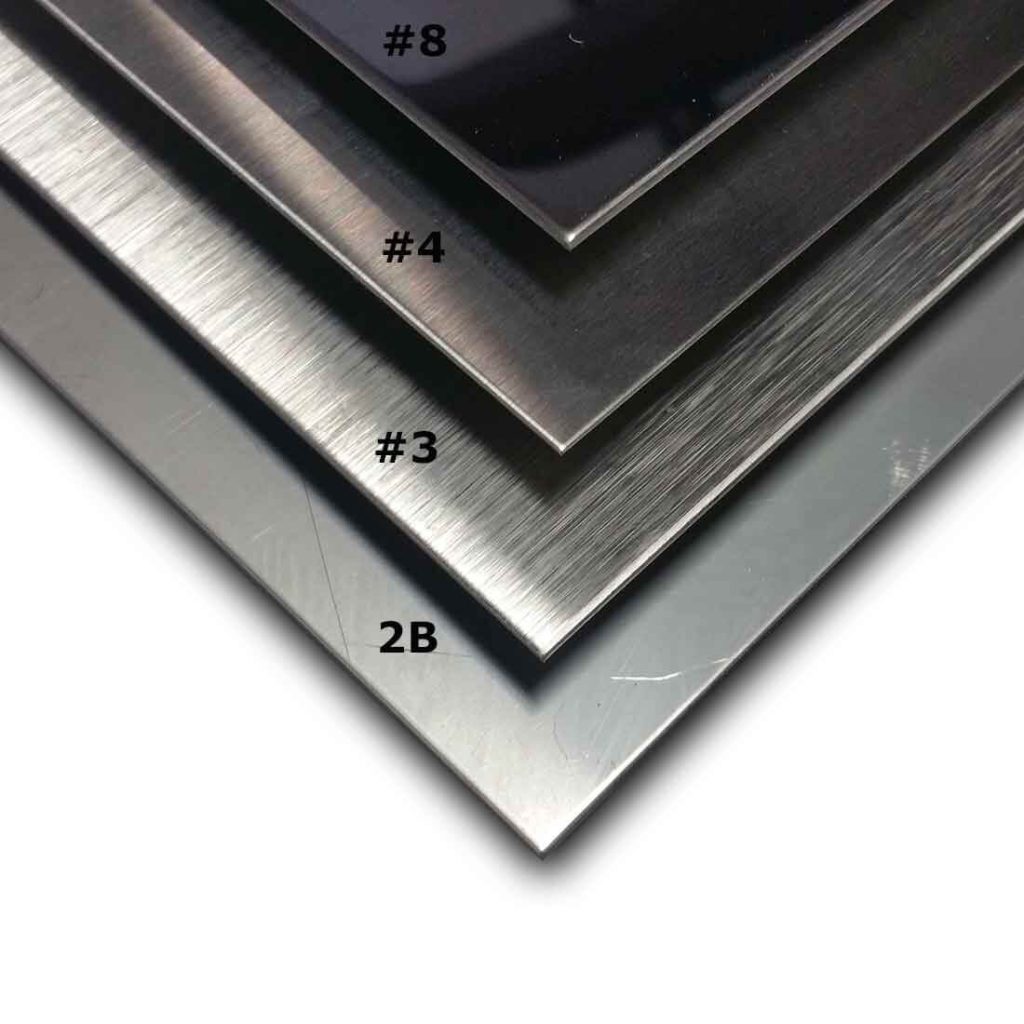
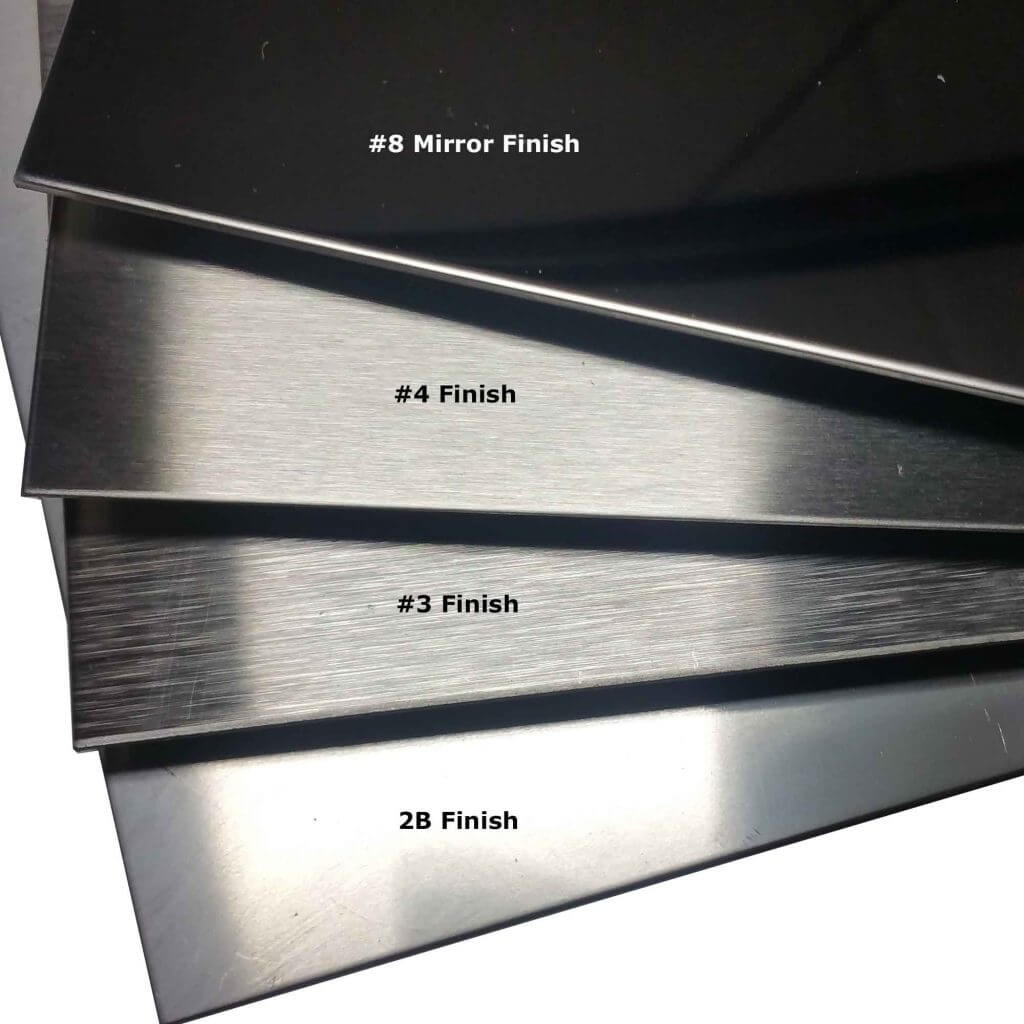
What Surface Finishes are Available for 316 Stainless Steel Strip?
316 stainless steel strips are available in multiple finishes including polished, brushed, and matte finishes to accommodate a range of functional and aesthetic requirements. Options like self-adhesive stainless steel strips offer straightforward installation, and custom finishes can offer added value in architectural applications.
These surface finishes enhance both the functionality and appearance of stainless steel, making it a versatile material for a broad spectrum of applications.
For additional insights:
- [Surface Finishes of Stainless Steel]
- Guide to Stainless Steel Surface Treatments
Can 316 Stainless Steel Strip Be Customized for Specific Thicknesses?
Yes, 316 stainless steel strips can be customized to specific thicknesses, such as 1mm and 2mm, to meet precise project requirements. This capacity makes them an excellent material for industries necessitating tailored solutions across diverse applications, from automotive to medical equipment manufacturing. While stainless steel strip options available from providers like Screwfix often offer standardized sizes, industrial suppliers have the capability to accommodate precise customization for unique applications.
The availability of customization options guarantees that the material meets performance and safety standards in high-stakes operational environments.
For additional details, refer to the following resources:
What are the Mechanical Properties of 316 Stainless Steel Strip?
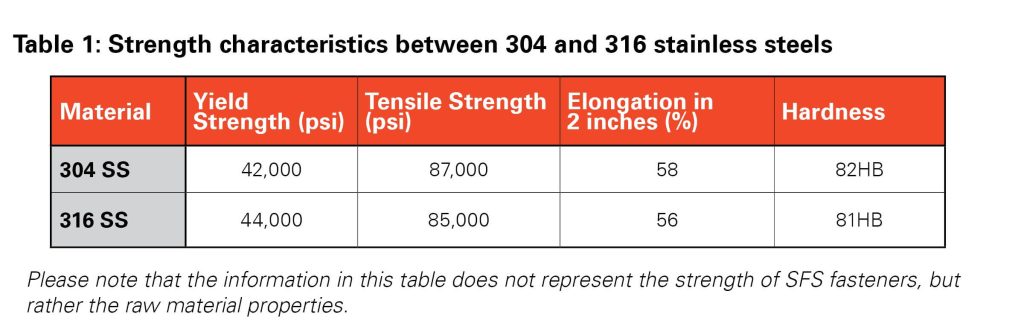
316 stainless steel strip boasts formidable tensile strength, yield strength, and hardness, positioning it as the preferred selection for rigorous applications. Available in various forms such as a 2mm stainless steel flat bar or tailored strip dimensions, 316 delivers the robustness required for both structural and mechanical applications.
These mechanical attributes ensure dependability and longevity, particularly in critical contexts such as construction and heavy machinery.
Find out more:
Conclusion
In summary, high precision 316 stainless steel strip offers unmatched durability, corrosion resistance, and customizability. Its unique properties make it a superior choice across various industries, including construction, marine, and electronics. For applications requiring both resilience and adaptability, 316 stainless steel provides a cost-effective solution in the long term.