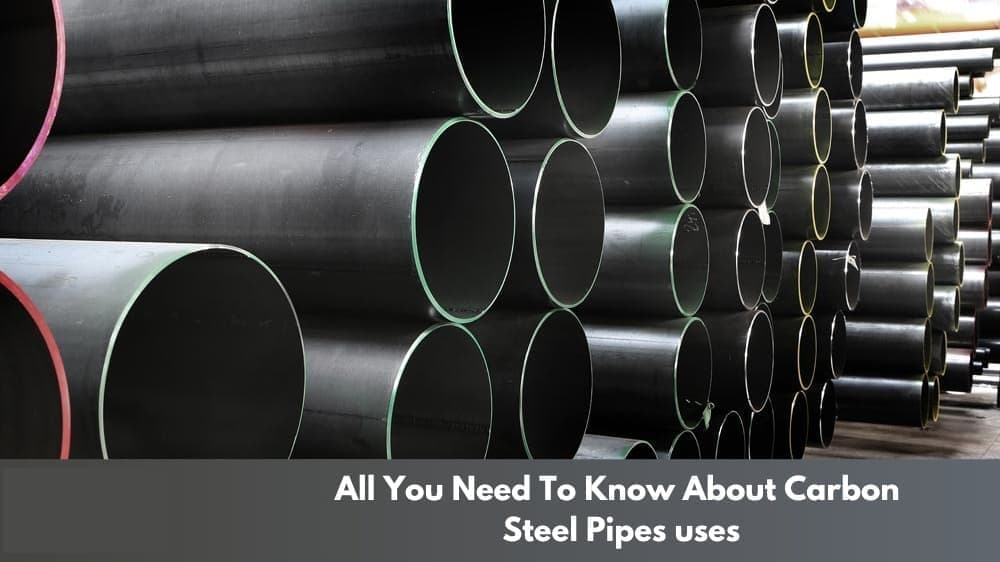
Carbon steel pipes, admired for their robustness, longevity, and cost efficiency, are widely cherished for their suitability across diverse industries. Understanding the pivotal role played by these pipes in vital infrastructure and manufacturing processes is paramount for appreciating their significance.
Embracing applications as diverse as oil and gas transport, water supply systems, and construction, carbon steel pipes prove invaluable. Renowned for their fortitude and resilience against high-pressure environments, these pipes represent a versatile and ubiquitous solution within industrial contexts.
The examination of carbon steel pipe utilization across a range of industries will illuminate the reasons behind their enduring popularity and the key factors contributing to their prominence in countless applications.
1. Oil and Gas Industry
In the domain of oil and gas, the significance of carbon steel pipes lies in their indispensable role for the transportation and extraction of petroleum products, offering a sturdy solution optimized to address high-pressure and high-temperature environments.
The necessity of carbon steel pipes is clear in their utilization for the transportation of crude oil and natural gas, serving as essential elements for both casing and tubing within the scope of oil drilling activities.
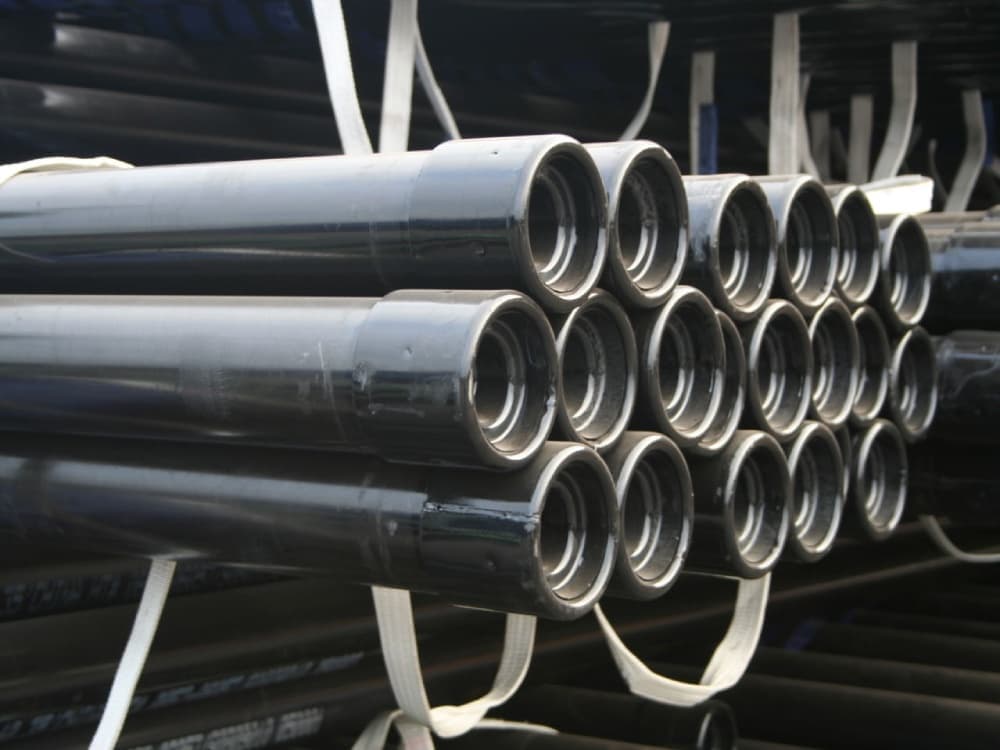
Carbon steel pipes are essential for the transportation of crude oil, natural gas, and other petroleum products over extended distances in the oil and gas industry. These pipes are deployed within extensive pipeline networks linking extraction sites to refineries and distribution facilities. Given their capability to withstand high pressures and extreme temperatures, carbon steel pipes represent an ideal material for addressing the demands of these applications. Furthermore, carbon steel pipes find utility in several applications associated with oil well drilling. For example, they are employed as casing, contributing to the fortification of the wellbore, and they serve as essential tubing for the extraction of oil and gas from deep underground reservoirs.
Learn more about carbon steel pipes in oil and gas | Carbon steel in oil well casing
2. Water Supply and Sewage Systems
Carbon steel pipes are widely utilized in water supply and sewage systems due to their ability to deliver a robust, durable, and cost-effective solution for the conveyance of water and wastewater.
Prominent applications include the transportation of potable water as well as the management of wastewater within municipal systems, reinforcing the pivotal role played by carbon steel pipes in establishing secure and dependable infrastructure.
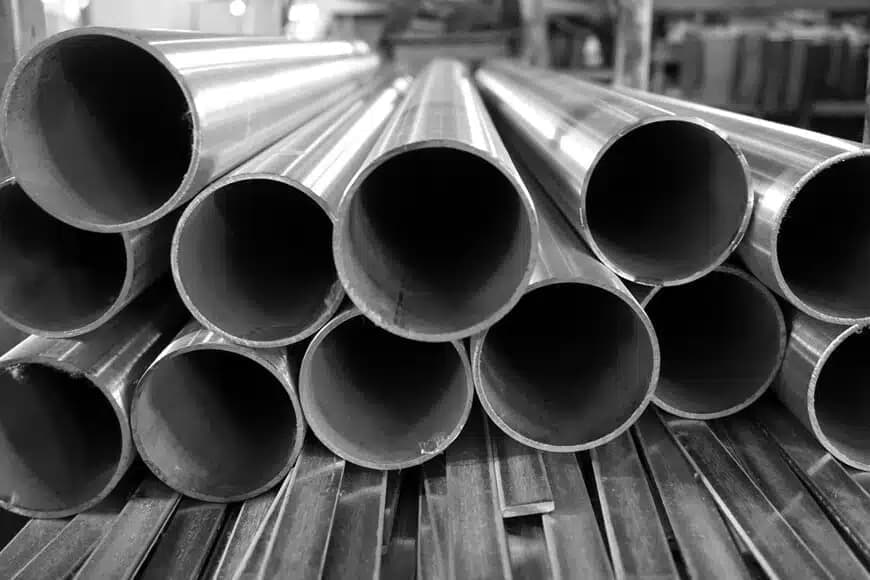
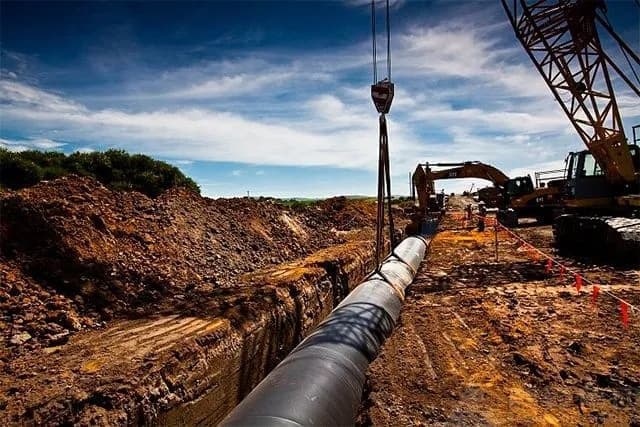
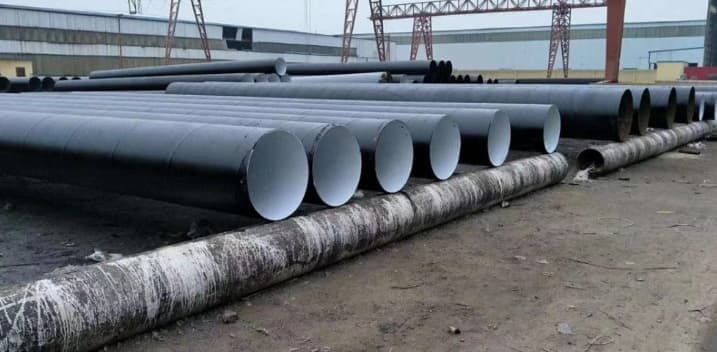
In municipal water systems, carbon steel pipes fulfill the critical function of transporting potable water from treatment facilities to residential and commercial properties. Their capacity to endure high-pressure environments and resist corrosion positions them as a reliable and efficient conduit for water distribution. Analogously, within wastewater systems, carbon steel pipes assume vital duties related to the transportation of sewage from urban environments to treatment facilities, thereby contributing to the effective management of water resources. Their durability and resistance to deterioration within challenging environments underscore their suitability for utilization in both water supply and sewage systems.
Read about the role of carbon steel in water management | Sewage systems and steel pipes
3. Construction and Structural Applications
Carbon steel pipes play an integral role in the construction sector, delivering invaluable structural reinforcement and finding application in the establishment of infrastructure, scaffolding, and load-bearing installations.
Owing to their robustness, carbon steel pipes are deployed in construction projects involving buildings, bridges, scaffolding, and various other structural elements, as they prove instrumental in supporting substantial loads and upholding resistance to environmental stressors.
Carbon steel pipes are extensively germane to the construction industry, where they serve a diversity of essential applications. These pipes are instrumental in providing structural reinforcement for buildings, bridges, and various other landmark infrastructure projects, assuring that the developed structures can bear heavy loads and undergo sustained exposure to environmental dynamics. They are also commonly found as key components within scaffolding systems, where stability and safety throughout construction activities are paramount prerequisites. The combination of their strength and cost-effectiveness consolidates the position of carbon steel pipes as a favored choice across construction projects globally.
Explore carbon steel pipes in construction | Carbon steel scaffolding systems

4. Heating, Ventilation, and Air Conditioning (HVAC)
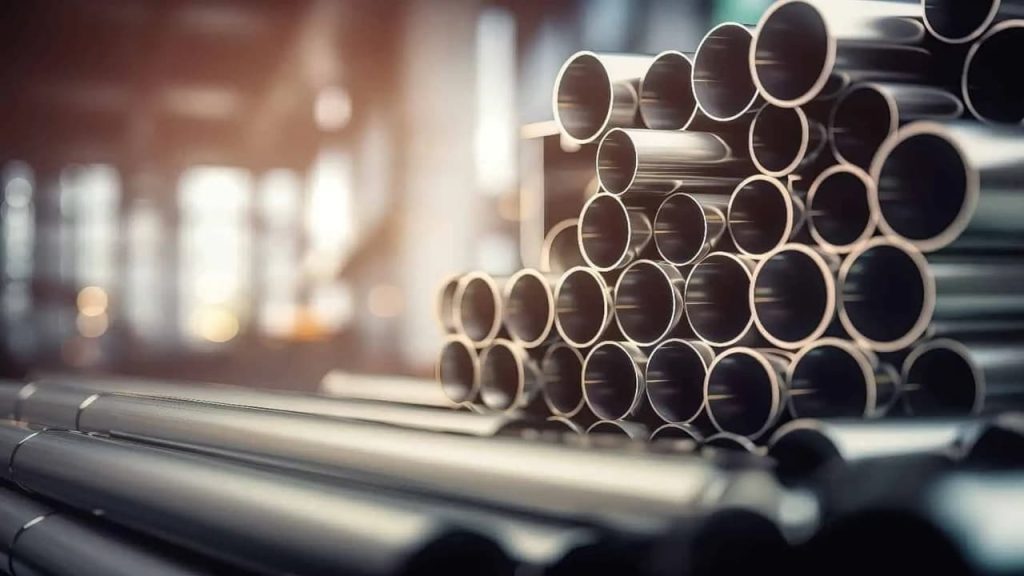
Carbon steel pipes represent an indispensable element of HVAC systems, facilitating the efficient conveyance of hot water, steam, and air, maintained under demanding conditions to provide lasting durability.
In the realm of heating and air conditioning, carbon steel pipes form an essential part of the infrastructure. They play a critical role in ensuring optimal temperature regulation in residential, commercial, and industrial environments.
HVAC systems feature the strategic deployment of carbon steel pipes to convey both hot water and steam, enabling the advancement and maintenance of effective heating systems. Additionally, these pipes also contribute to the effectiveness of air conditioning ducts, catering to the circulation of air as well as supporting the management of temperature controls within vast commercial and industrial structures. Their capacity to endure extreme temperatures and pressures, coupled with their resistance to corrosion, renders them an ideal choice for preserving airflow and promoting energy efficiency in HVAC systems.
Learn more about HVAC piping solutions | Heating and cooling systems with steel pipes
5. Manufacturing and Industrial Processes
Within the domain of manufacturing, the significance of carbon steel pipes is underscored by their essentiality in the fabrication of machinery components, heat exchangers, and pivotal equipment instrumental to industrial operations.
The deployment of carbon steel pipes is pervasive throughout the manufacturing sector, contributing to the creation of machinery components and the construction of heat exchangers designed to withstand high-temperature environments.
In the manufacturing sector, carbon steel pipes serve a crucial role by contributing to the production of various equipment components, thereby producing machinery elements like conveyor belts, frames, and support structures. Thanks to their structural robustness and exceptional durability, carbon steel pipes are equipped to handle sustained and demanding workloads in industrial contexts. Additionally, these pipes find utility in heat exchange systems where they effectively support the transfer of heat within environments calling for high temperatures. The resilience and affordability of carbon steel establish its suitability across a diverse array of industrial applications.
Read more about carbon steel pipes in manufacturing | Heat exchangers and steel pipes
6. Automotive Industry
The automotive industry benefits significantly from the utilization of carbon steel pipes, leveraging their attributes of strength and heat resistance to fortify exhaust systems, fuel lines, and integral structural components.
Carbon steel pipes occupy a fundamental role in automotive applications, contributing to the development of crucial components such as exhaust systems and the vehicle chassis, facilitating the provision of both strength and heat resistance.
In the automotive sector, carbon steel pipes are employed for the manufacturing of exhaust systems, fuel lines, and diverse structural elements crucial to vehicle operation. Their capacity to withstand high temperatures is especially valuable in exhaust systems, where the pipes must endure the extreme heat generated by engine exhaust gases. Furthermore, carbon steel pipes contribute to the development of vehicle frame components and chassis systems, thus ensuring that the structural framework of the vehicle exhibits substantial strength and resilience, capable of enduring and surmounting the substantial mechanical stresses to which it will be subjected.
Learn more about carbon steel in automotive applications | Exhaust systems and carbon steel pipes

7. Chemical Processing
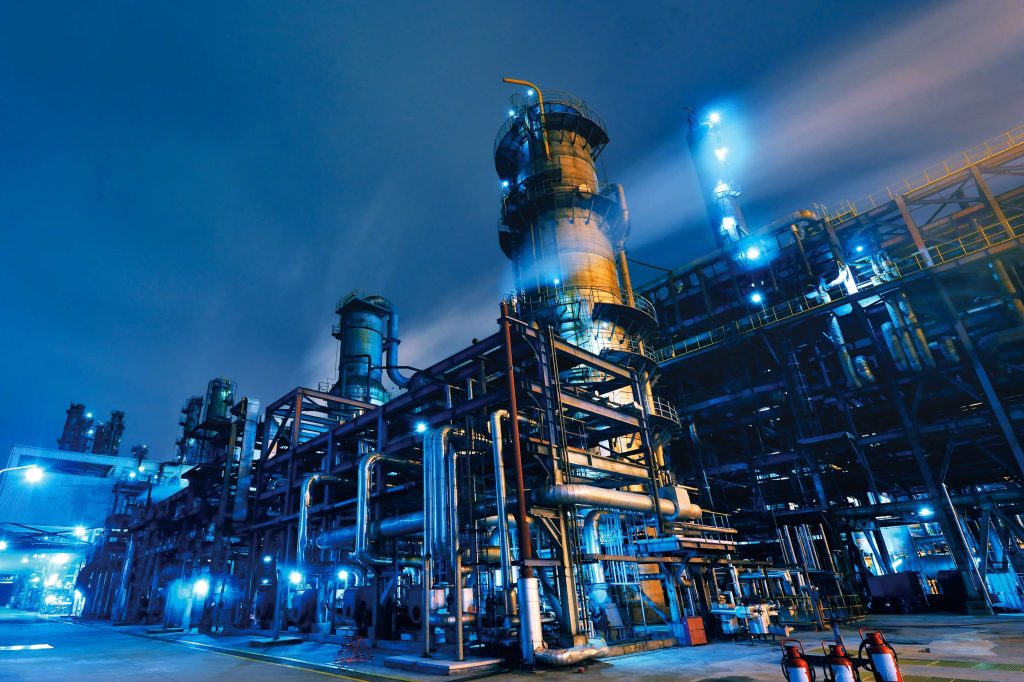
In chemical processing applications, carbon steel pipes play a vital role in the transportation of chemicals and materials, delivering resistance to corrosion and wear suitable for prolonged use.
The notable attributes of carbon steel pipes are advantageous in chemical processing contexts, facilitating efficient conveyance and management of corrosive substances while delivering impressive longevity in demanding conditions.
Carbon steel pipes serve as an essential critical infrastructure element for the conveyance of various chemical substances within the chemical processing industry. Their selection for such applications stems from their impressive durability and resistance to corrosion, guaranteeing their effectiveness and resilience when faced with the rigorous demands of managing harsh chemicals and temperature extremes frequently encountered in chemical processing applications. The combination of strength and endurance establishes carbon steel pipes as an indispensable asset within the infrastructure supporting these critical industrial operations.
Read about carbon steel in chemical processing | Chemical handling and steel pipes
8. Mining and Metallurgy
Carbon steel pipes are indispensable within the mining industry, facilitating the efficient and secure conveyance of ores, slag, and miscellaneous materials across mining sites.
Their application in the mining sector encompasses the transportation of ores and various materials, ensuring the safe, reliable, and effective movement of bulk commodities.
Carbon steel pipes serve as a vital link within mining operations, forming the conveyance system through which ores, slag, and assorted materials are transported from strategic points within mining sites. The durability and resilience of carbon steel make it particularly advantageous in the mining environment, where these pipes must withstand abrasive materials and endure rugged surroundings.
Learn more about steel pipes in mining | Carbon steel pipes in metallurgy
Conclusion
Carbon steel pipes are versatile and essential in various industries, from oil and gas to construction, chemical processing, and automotive manufacturing. Their strength, durability, and cost-effectiveness make them a go-to solution for many applications, ensuring reliable and efficient performance across different sectors.
Explore more about carbon steel pipes | Contact us for inquiries