Precision steel tubes deliver unmatched reliability. Explore DIN2391's unique features.
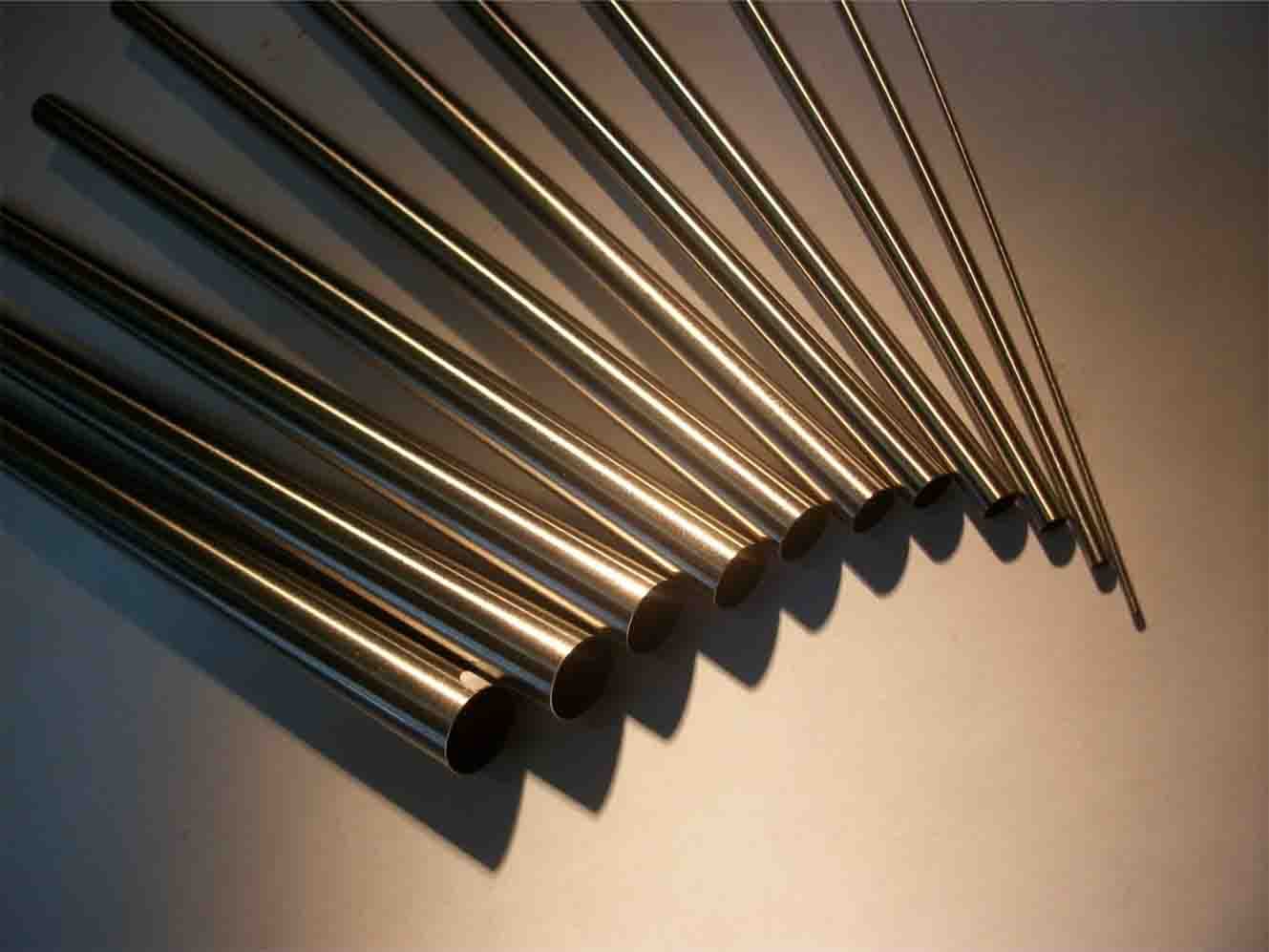
DIN2391 precision steel tubes are seamless, high-quality tubes designed for industries needing precision and durability.
Want to understand their applications? Keep reading for insights.
What are the main applications of DIN 2391 steel tubes?
DIN2391 tubes serve versatile industrial needs.
DIN2391 steel tubes1 are used in automotive, mechanical engineering, and hydraulic systems for their accuracy and durability.
Why DIN2391 tubes2 fit industrial applications:
DIN2391 precision tubes ensure smooth operation in high-demand settings. Their seamless finish and tight tolerances make them suitable for various industries.
Common Applications of DIN2391 Tubes
| Industry | Application Example |
|---|---|
| Automotive | Shock absorbers, steering systems |
| Mechanical Engineering | Machine tools, cylinders |
| Hydraulic Systems | Pressure lines, fluid transfer |
Key Benefits
- Reduced risk of leaks in fluid systems.
- Consistent performance under stress.
- Superior dimensional accuracy for assembly compatibility.
DIN2391 tubes excel in reliability and efficiency across multiple industries.
How do the mechanical properties of ST35, ST45, and ST52 differ?
Different grades offer specific strengths.
ST35, ST45, and ST521 differ in tensile strength, yield strength, and applications based on mechanical needs.
Comparing Mechanical Properties of ST35, ST45, and ST52
These grades are suited for varying operational demands. Each offers unique tensile and yield strength properties.
Table: Mechanical Properties
| Grade | Tensile Strength (MPa) | Yield Strength (MPa) | Common Use |
|---|---|---|---|
| ST35 | 340–480 | 235 | Low-pressure systems |
| ST45 | 450–600 | 315 | Medium-pressure applications |
| ST52 | 490–630 | 355 | High-pressure applications2 |
Applications and Decision Factors
ST35 is preferred for lightweight uses. ST45 handles moderate loads well. ST52 is ideal for high-stress systems2 like hydraulic cylinders and pipelines.
What are the dimensions available for DIN 2391 seamless precision steel tubes?
Accurate dimensions meet unique project needs.
DIN2391 seamless tubes1 come in various diameters and wall thicknesses, ranging from 4 mm to 120 mm.
Typical Dimensions for DIN2391 Tubes
DIN2391 tubes are available in a wide size range. This flexibility supports diverse applications.
Dimensional Range
| Parameter | Range |
|---|---|
| Outer Diameter | 4 mm–120 mm |
| Wall Thickness | 0.5 mm–10 mm |
| Length | Customizable2 |
Customization Options
DIN2391 tubes2 can be tailored to specific project requirements. This ensures compatibility with unique designs.
Cold drawn tubes1 have tighter tolerances, while cold rolled tubes2 offer smoother finishes and uniform thickness.
Manufacturing Process Differences
Cold drawing involves pulling tubes through a die. Cold rolling compresses materials between rollers.
Comparison Table: Cold Drawn vs. Cold Rolled
| Process | Feature | Application |
|---|---|---|
| Cold Drawn | High dimensional accuracy | Precision components2 |
| Cold Rolled | Superior surface finish | Decorative or visible parts |
Choosing the Right Option
Cold drawn tubes1 excel in precision-critical applications like hydraulic systems. Cold rolled tubes are better for aesthetics or where smooth surfaces are essential.
Conclusion
DIN2391 precision steel tubes offer strength, accuracy, and versatility, supporting industries worldwide.