
Stainless steel round bars are versatile. They deliver strength, corrosion resistance, and durability for diverse industrial uses.
Stainless steel round bars are defined by their grades, sizes, and applications, making them indispensable in construction and manufacturing.
Discover the specifications and benefits of stainless steel round bars. Let’s explore their standards, materials, and features.
What are the specifications of stainless steel?
Stainless steel specifications address performance, durability, and adaptability to industrial needs.
Key specifications include dimensions[^1], grades[^2], and surface finishes[^3], ensuring reliable performance in diverse applications.
Understanding Specifications
- Grades: Common grades like 304[^4] and 316[^5] offer corrosion resistance and durability.
- Dimensions: Sizes range from 6mm to 100mm in diameter.
- Surface Finishes: Options include polished, annealed, or mill-finished surfaces.
Table: Common Stainless Steel Specifications
| Property | Description |
|---|---|
| Grade | 304, 316, and others |
| Diameter Range | 6mm to 100mm |
| Finish Types | Polished, annealed, mill-finished |
Stainless steel round bars are tailored to meet application-specific needs, balancing strength and precision.
What is the ASTM standard for stainless steel round bars?
ASTM standards[^6] ensure uniformity and quality in stainless steel round bars.
ASTM A276[^7] is the primary standard, defining requirements for hot-rolled or cold-finished stainless steel bars.
Dive Deeper: ASTM A276 Explained
ASTM A276 specifies chemical composition, mechanical properties, and manufacturing processes for stainless steel bars.
| Key Attributes | ASTM A276 Requirements |
|---|---|
| Manufacturing Process | Hot-rolled or cold-finished |
| Grades Covered | 304, 316, and others |
| Applications | Construction, marine, medical |
Compliance with ASTM standards ensures reliability and performance consistency. It also assures buyers of uniform quality across suppliers.
What is the difference between 304 and 316 stainless steel?
304[^8] and 316[^9] stainless steels differ in composition and performance.
316 contains molybdenum, which enhances its resistance to corrosion in harsh environments, compared to 304.
Dive Deeper: Comparing 304 and 316
| Property | 304 Stainless Steel | 316 Stainless Steel |
|---|---|---|
| Composition | Chromium-Nickel Alloy | Chromium-Nickel-Molybdenum |
| Corrosion Resistance | Moderate | High |
| Cost | Lower | Higher |
| Applications | General use | Marine, medical, chemical |
316 is preferred for environments with exposure to chlorides or harsh chemicals. For general applications, 304 offers a cost-effective solution.
What is stainless steel round bar?
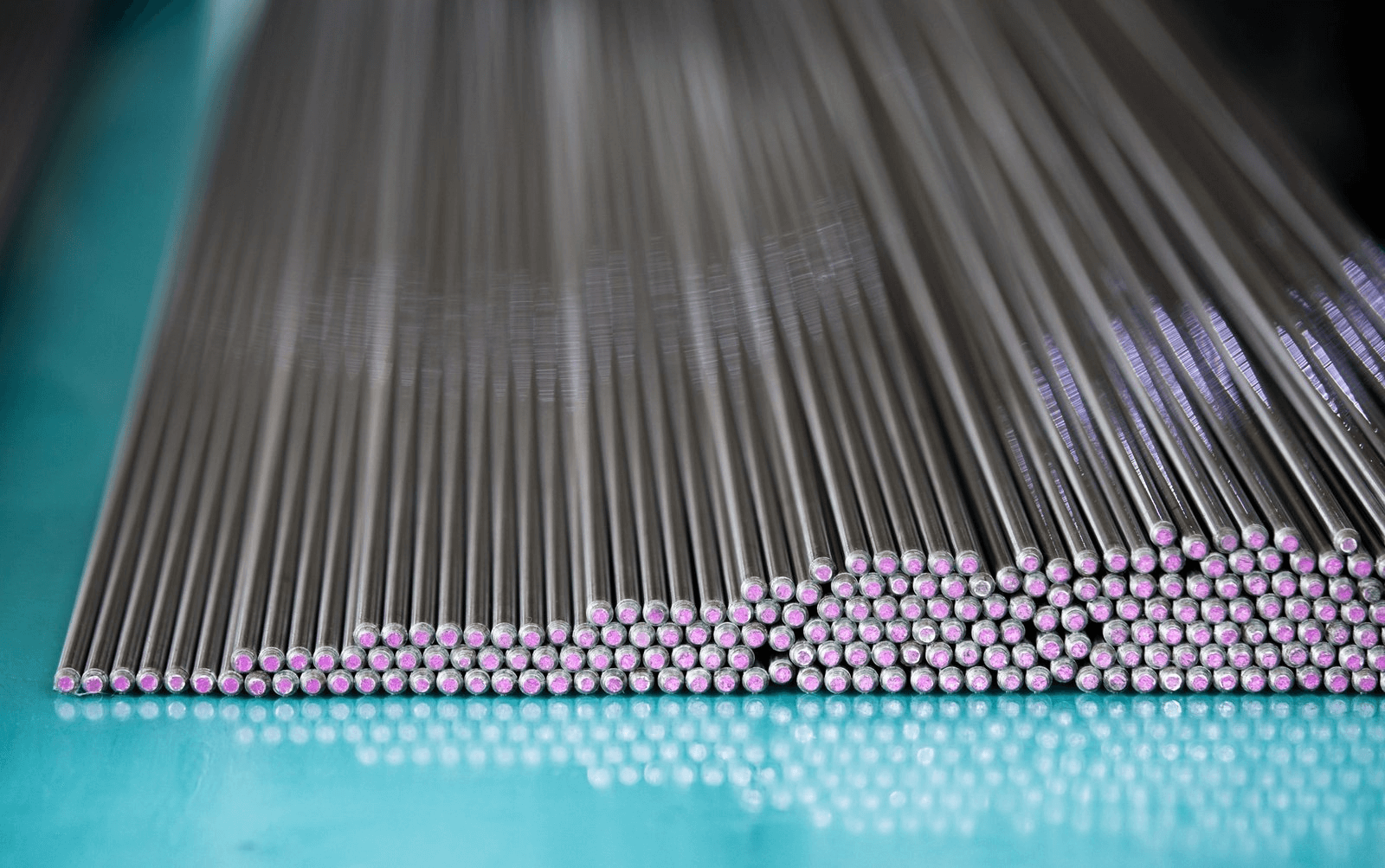
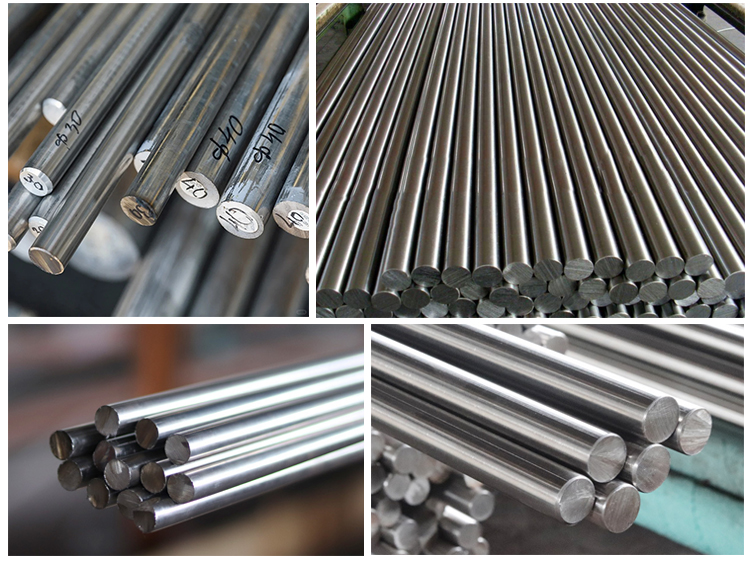
A stainless steel round bar is a cylindrical, corrosion-resistant metal rod.
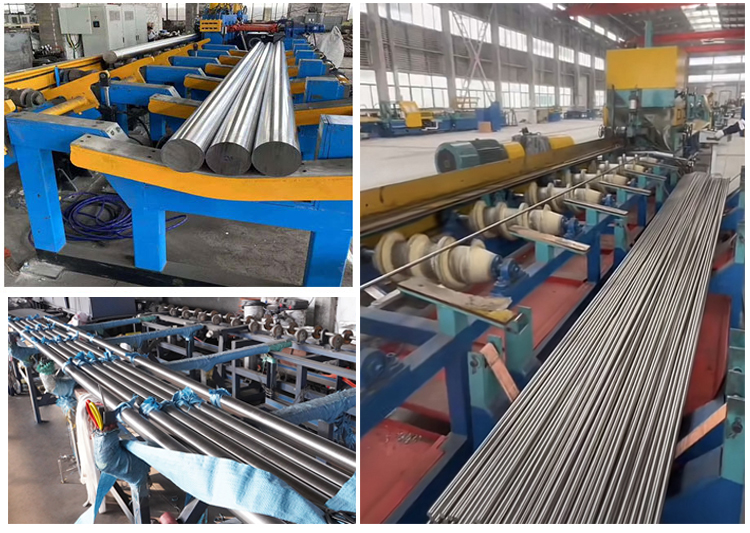
Stainless steel round bars are used in construction[^10], manufacturing[^11], and machining[^12] due to their strength and versatility.
Dive Deeper: Applications of Round Bars
- Construction: Used for reinforcement and frameworks.
- Manufacturing: Ideal for creating fasteners, tools, and machinery parts.
- Machining: Common in precision machining for its dimensional stability.
Table: Popular Stainless Steel Round Bar Sizes
| Diameter (mm) | Typical Uses |
|---|---|
| 6mm | Pins, bolts |
| 12mm | Shafts, machinery parts |
| 25mm | Construction supports |
Stainless steel round bars are indispensable in industries requiring durability and resistance to corrosion.
Conclusion
- Stainless steel specifications define their adaptability and durability.
- ASTM standards like A276 ensure consistent quality.
- 304 and 316 grades cater to diverse application needs.
- Round bars are widely used in construction, manufacturing, and machining.
- Sizes and finishes tailor them for specific industrial demands.
Stainless steel round bars combine strength, precision, and versatility for critical industrial applications.