
1. Manufacturing Process
Seamless Pipes
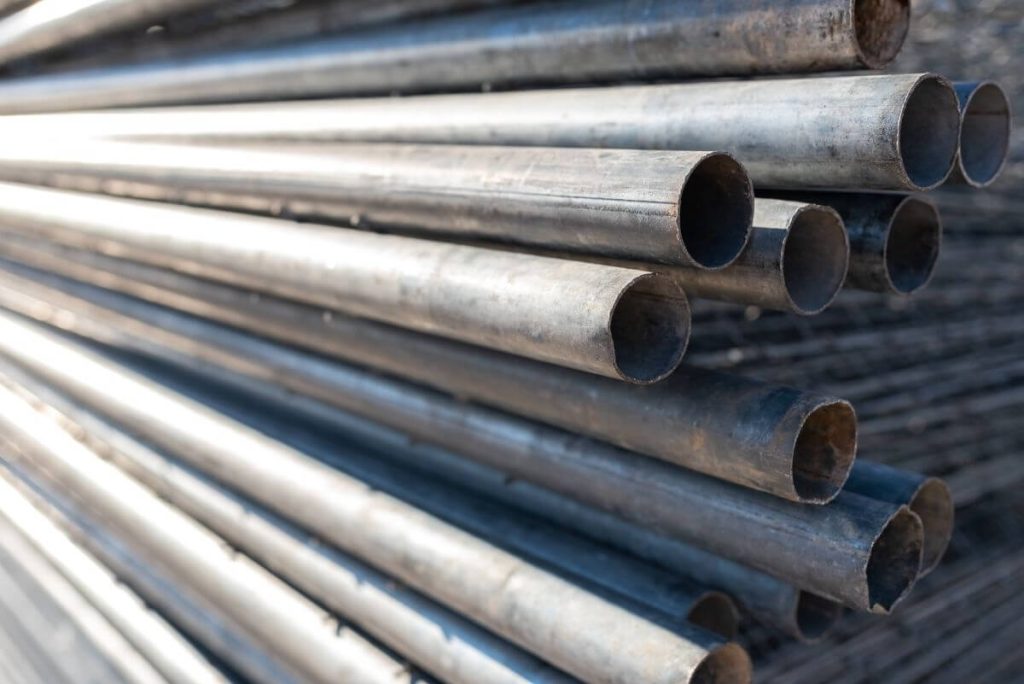
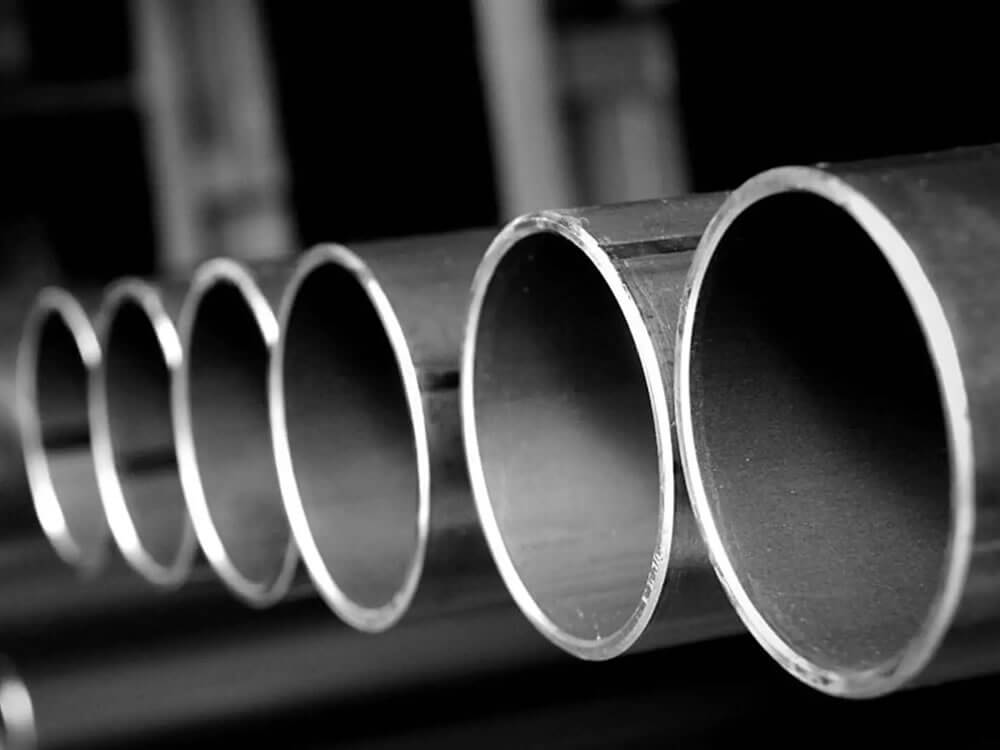
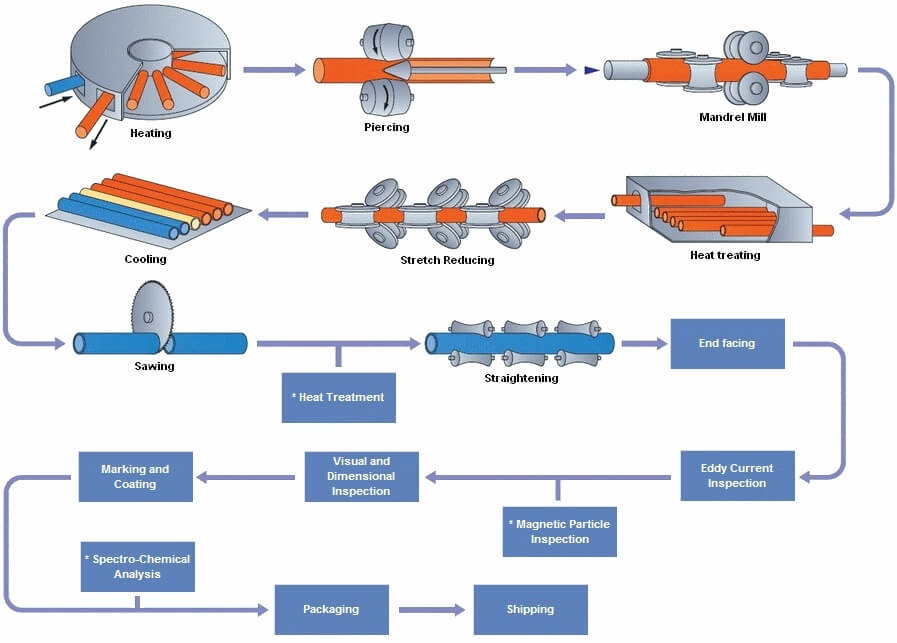
Seamless pipes are crafted from a solid cylindrical steel billet that is heated and then pierced to form a hollow tube. This tube is then rolled and stretched to the desired dimensions without any seams. Because there are no welded points along the pipe, seamless pipes are often stronger and more reliable, especially for applications where structural integrity is critical.
Welded Pipes
Welded pipes, on the other hand, are created from flat steel sheets or strips that are rolled into a cylindrical shape and then welded along the seam. The most common method is Electric Resistance Welding (ERW), which uses high-frequency currents to fuse the edges together. Although the seam was traditionally seen as a weak point, advancements in welding technology have greatly improved the strength and durability of welded pipes.
For more on pipe manufacturing, see:

2. Structural Integrity
Strength
Seamless pipes generally have higher strength due to the lack of seams, allowing them to withstand higher pressures—often about 20% more than welded pipes of the same material and size. This quality makes them ideal for high-stress applications where reliability is crucial.
Welded pipes have improved strength thanks to modern welding techniques. However, they may still be slightly more susceptible to failure under extreme pressure or stress, making them more suitable for general applications rather than high-pressure environments.
Corrosion Resistance
Seamless pipes also tend to offer better corrosion resistance, as the absence of welds eliminates weak points that could be more susceptible to corrosion or defects. Welded pipes, particularly in areas with high moisture or corrosive conditions, may see corrosion at the seam if not properly treated.
More on corrosion resistance:
3. Applications
Seamless Pipes
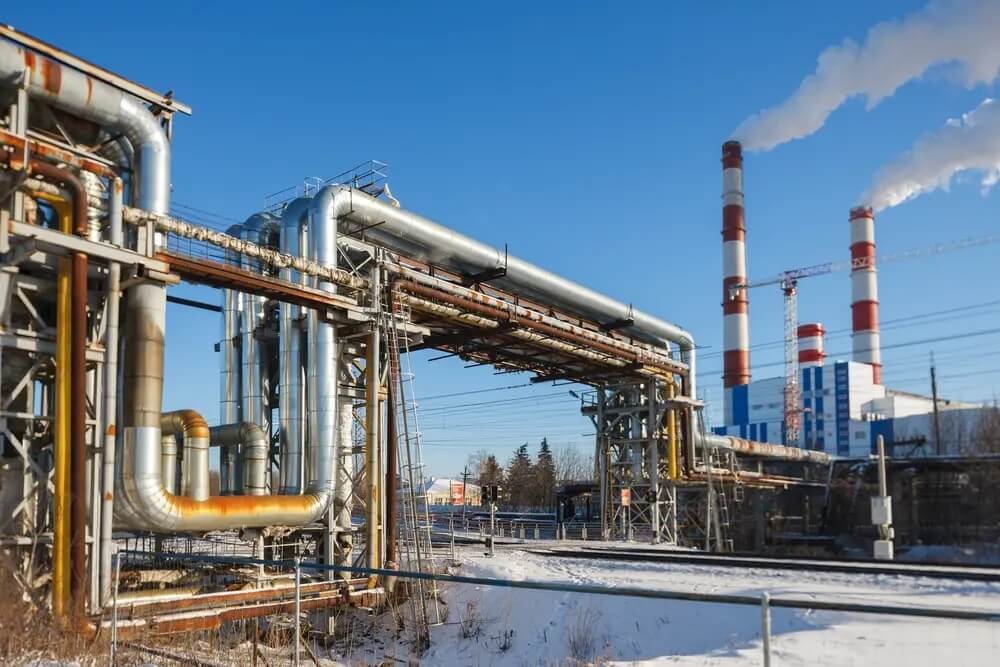
Seamless pipes are preferred in high-pressure applications, such as in the oil and gas, power generation, and chemical processing industries, where both high-pressure and temperature resistance are required. Their structural integrity makes them essential for critical applications where safety is a priority.
Welded Pipes
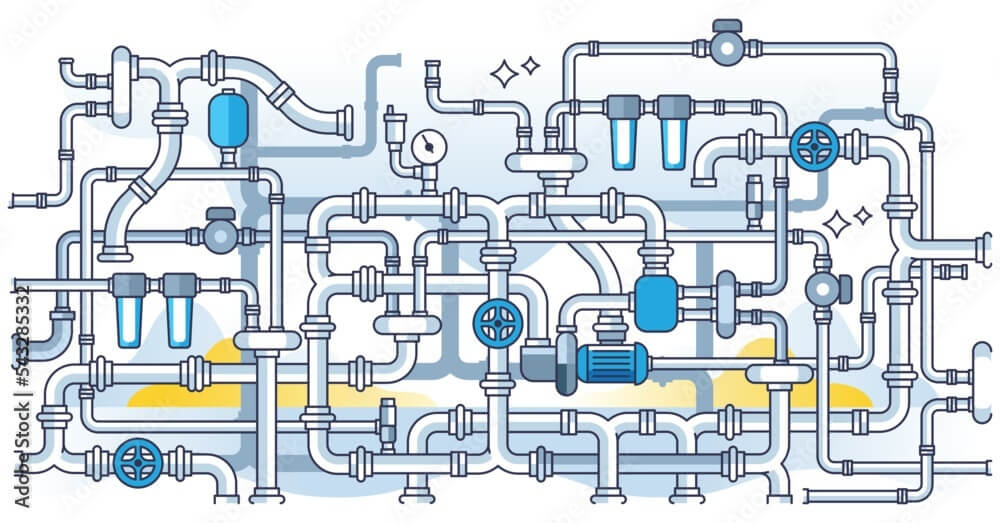
Welded pipes, meanwhile, are widely used in general-purpose applications, especially where lower pressure is involved. They are commonly found in water supply systems, HVAC systems, and structural applications. Welded pipes are more economical to produce and are generally available in longer lengths than seamless pipes, making them ideal for cost-effective solutions.
Discover more:
4. Cost Considerations
Seamless Pipes
The production of seamless pipes is more complex and costly, resulting in a higher price point. Additionally, the manufacturing process often requires longer lead times, which can extend procurement schedules.
Welded Pipes
Welded pipes are generally more economical due to their simpler manufacturing process. They can also be produced more quickly and in larger quantities, making them readily available for projects with tighter budgets or timelines.
Read more:
5. Summary Table
| Parameter | Seamless Pipe | Welded Pipe |
|---|---|---|
| Manufacturing Process | Made from solid billets; no seams | Made from rolled sheets; welded seams |
| Strength | Higher strength; withstands more pressure | Lower strength; up to 20% less pressure capacity |
| Corrosion Resistance | Better resistance; no welds | Weld areas can corrode |
| Applications | High-pressure applications | General use; lower-pressure applications |
| Cost | More expensive; longer lead times | More economical; faster production |
6.Conclusion
In summary, the decision between seamless and welded pipes hinges upon specific application requirements. Seamless pipes are well-suited for high-pressure and critical applications due to their superior strength and corrosion resistance. Conversely, welded pipes present a cost-effective solution for general purposes, especially when lower pressure is expected. Acquiring insight into these distinctions facilitates the selection of the most suitable pipe type for any given project.