
Steel is strong, but what's the strongest? Let's find out.
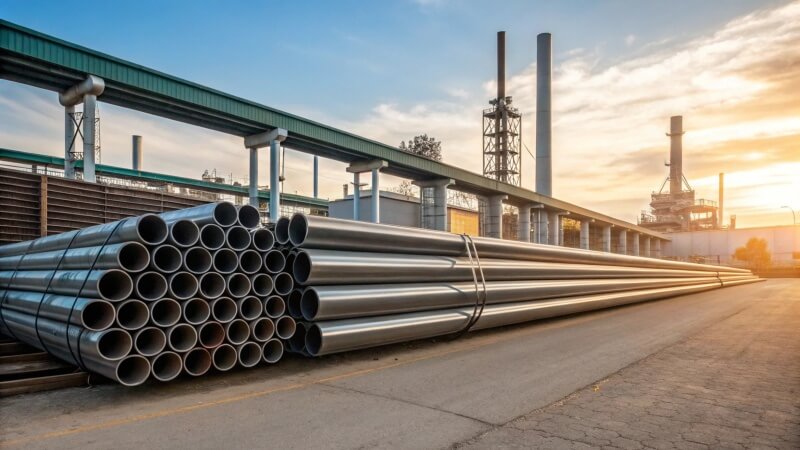
The strongest steel tube is often made from alloy or carbon steel, offering durability and strength for industrial use.
Wondering why strength matters? Keep reading for critical insights.
What makes a steel tube strong?
Strength depends on composition, thickness, and manufacturing processes.
High-carbon and alloy steels provide exceptional strength for demanding applications like construction and automotive.
![placeholder_image]
Factors affecting steel tube strength:
- Material composition: Alloying elements like chromium and manganese enhance strength.
- Thickness: Thicker walls resist deformation under pressure.
- Manufacturing process: Techniques like seamless construction increase durability.
Comparison Table: Types of Steel Tubes
| Type | Key Feature | Common Application |
|---|---|---|
| Carbon Steel | High strength | Construction, pipelines |
| Stainless Steel | Corrosion resistance | Medical, food processing |
| Alloy Steel | Enhanced durability | Automotive, aerospace |
Seamless steel tubes1, particularly, shine in environments requiring reliability under high stress.
What is a precision tube?
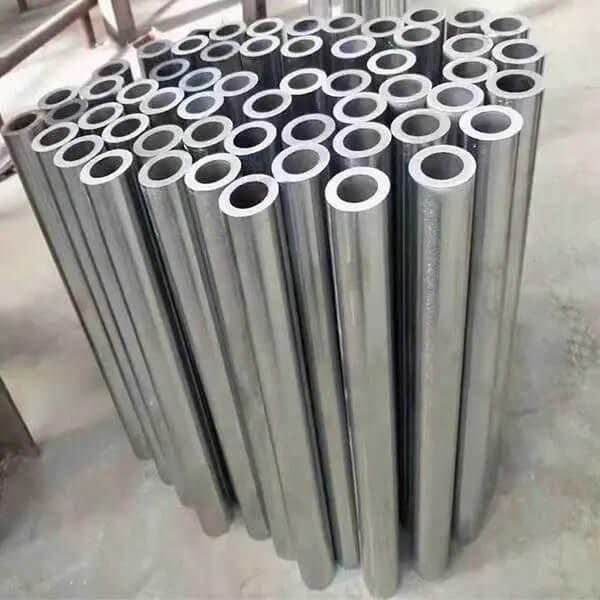
Precision tubes2 bring accuracy and reliability to modern industries.
Precision tubes3 are seamless or welded tubes with tight tolerances for dimensions and surfaces.
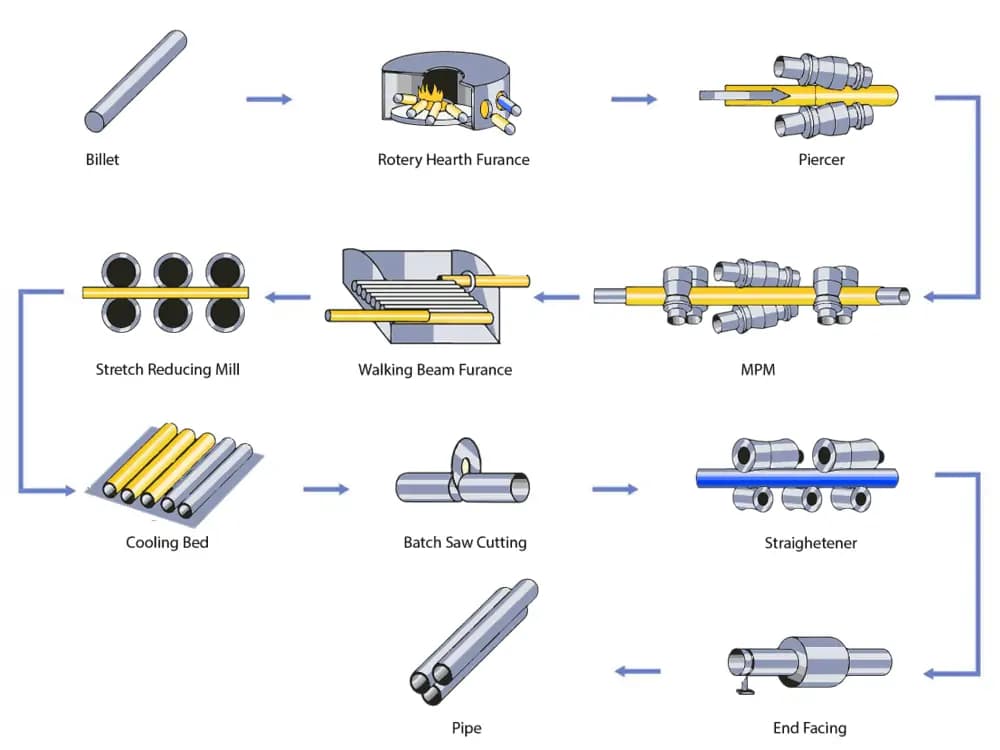
Why precision tubes stand out:
Precision tubes2 offer higher dimensional accuracy than standard tubes. This ensures better performance in industries needing exact tolerances.
Features of Precision Tubes
- Smooth finish1: Reduces friction in moving parts.
- Tight tolerances4: Ensures a precise fit in assemblies.
- Customization options5: Adapts to specific industry needs.
Applications of Precision Tubes
| Industry | Example Usage |
|---|---|
| Automotive6 | Shock absorbers |
| Aerospace7 | Hydraulic systems |
| Manufacturing8 | Machine components |
Precision tubes3 contribute to better efficiency and reduced downtime in machinery.
What is carbon steel tubing used for?
Carbon steel tubing2: tough, versatile, and widely used.
Carbon steel tubing3 serves in construction, automotive, and energy sectors for its strength and affordability.

Carbon steel tubing's top uses:
- Construction1: Structural frameworks and scaffolding.
- Automotive4: Exhaust systems and chassis components.
- Energy5: Oil and gas transportation pipelines.
Advantages of Carbon Steel Tubes
- High strength-to-weight ratio6.
- Cost-effectiveness7 for large projects.
- Recyclable and environmentally friendly8.
Example: Oil and Gas Pipelines
| Property | Benefit in Oil and Gas Pipelines |
|---|---|
| High Tensile Strength9 | Withstands internal pressure |
| Corrosion Resistance10 | Prolongs operational life |
Carbon steel tubes3 are reliable and adaptable to various demanding conditions.
What is the corrosion allowance for carbon steel tubes?
Corrosion matters2. So does the allowance.
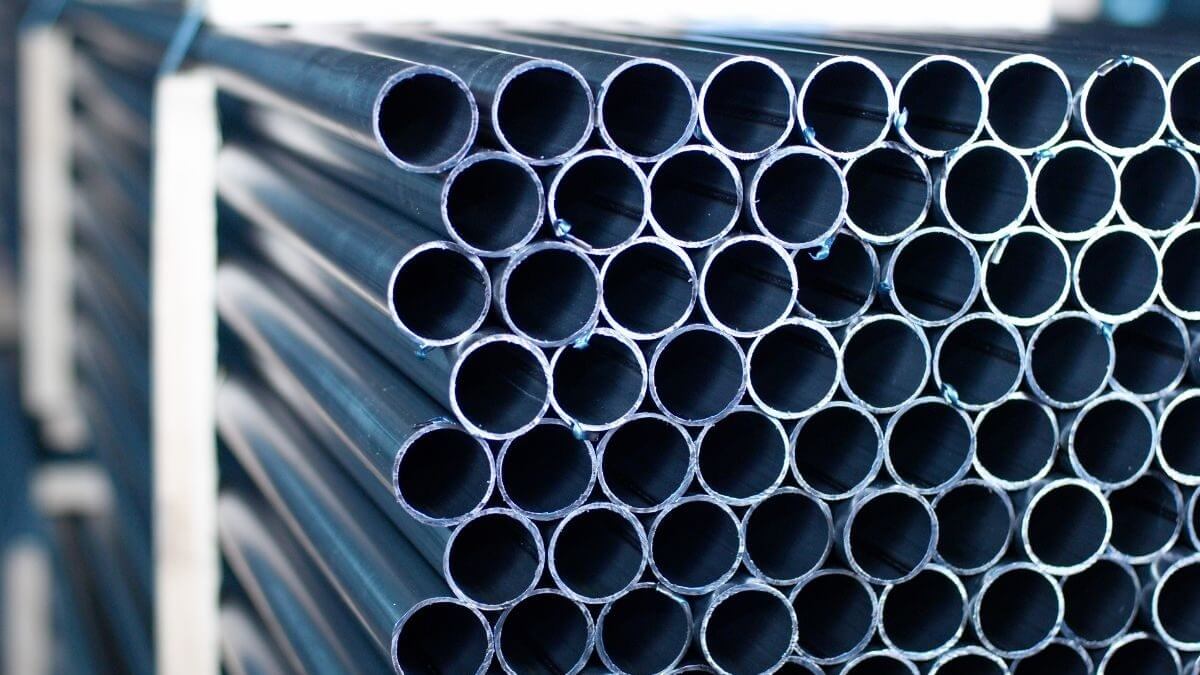
Corrosion allowance3 is a margin added to wall thickness to account for expected material loss over time.
!
How to calculate corrosion allowance:
The corrosion allowance3 depends on the environment and intended lifespan. Typical ranges are 1.5–3 mm for most industrial uses.
Environmental Impact on Corrosion
| Environment | Corrosion Rate1 (mm/year) | Example Application |
|---|---|---|
| Mild (Indoor)4 | 0.1 | HVAC systems |
| Moderate (Outdoor)5 | 0.5 | Water pipelines |
| Harsh (Marine)6 | 1.0–2.0 | Offshore drilling rigs |
Example Formula for Corrosion Allowance
Corrosion Allowance3 = (Corrosion Rate x Design Life) + Safety Factor
Adding this extra thickness ensures safety and longevity in critical applications.
Conclusion
Steel tubes7 vary in strength, precision, and applications, making them indispensable in industries worldwide.
-
Use cases of carbon steel tubing in construction, such as scaffolding and frameworks. ↩ ↩ ↩ ↩
-
Introduction to carbon steel tubing and its applications across industries. ↩ ↩ ↩ ↩
-
Overview of carbon steel tubing's key benefits in construction, automotive, and energy sectors. ↩ ↩ ↩ ↩ ↩ ↩ ↩
-
Explanation of how carbon steel tubing is used in the automotive industry, like exhaust systems. ↩ ↩ ↩
-
Discussion of carbon steel tubing's role in energy applications, particularly pipelines. ↩ ↩ ↩
-
Insight into the strength-to-weight ratio of carbon steel tubing and its practical implications. ↩ ↩ ↩
-
Cost-benefit analysis of carbon steel tubing for large-scale projects. ↩ ↩ ↩
-
Information on the recyclability and environmental benefits of carbon steel tubing. ↩ ↩
-
Importance of high tensile strength for carbon steel tubing in high-pressure pipelines. ↩
-
Advantages of corrosion resistance in extending the lifespan of carbon steel tubing. ↩